#12 of 25
· Cratewise Editorial
“'Heart of Glass,' 'One Way or Another,' 'Hanging on the Telephone.' Under $10 used, under $15 new. New wave perfection at bin-diving prices.”
Blondie emerged from New York's underground disco and punk scene in the mid-1970s, fronted by vocalist Debbie Harry alongside guitarist Chris Stein. The band achieved massive commercial success in the late 1970s and 1980s, becoming one of the most commercially successful acts of the era. Their debut album (1976) and sophomore 'Plastic Letters' (1978) established their signature blend of punk attitude with disco and pop sensibilities. 'Parallel Lines' (1978) became their breakthrough masterpiece, spawning the iconic hit 'Heart of Glass.' Subsequent albums 'Eat to the Beat' (1979) and 'Autoamerican' (1980) continued their chart dominance with hits like 'Rapture' and 'The Tide Is High.' After disbanding in 1982, Blondie reunited multiple times, releasing new material and touring extensively, maintaining relevance across decades.
Style
Blondie pioneered a sophisticated fusion of punk rock, new wave, disco, and pop, characterized by Harry's distinctive vocal delivery and the band's tight, dance-oriented arrangements. Their sound incorporated electronic production, reggae influences, and post-punk sensibilities into highly accessible pop-rock formats.
Significance
Blondie is essential to vinyl collectors as one of the defining bands of the new wave and disco-punk movements, with 'Parallel Lines' representing one of the most important albums of the 1970s. Their influence on pop music, music videos, and fashion endures, making their original vinyl pressings highly sought after by collectors.
Parallel Lines, Blondie's second studio album, was recorded in 1978 at the Record Plant in New York with producer Mike Chapman, who had previously worked with Suzi Quatro and The Sweet. The album marked a significant shift in the band's sound, moving away from the punk-influenced debut toward a more polished, accessible new wave and disco-informed style. Debbie Harry's vocal performance became more prominent and confident, while guitarist Jimmy Destri and keyboardist Jimmy Harrison crafted the synth-driven arrangements that would define the record. The writing credits were shared across the band, with most tracks penned by Harry and Destri, creating a cohesive sonic vision. The album was completed relatively quickly but became one of the most commercially successful records of its era.
Historical Context
Released in September 1978, Parallel Lines arrived at a crucial moment when new wave was transitioning from underground cult status to mainstream acceptance. The album became a massive commercial success, reaching number one in the UK and achieving multi-platinum status in the US, where it would eventually sell over three million copies. The lead single 'Heart of Glass' became a global smash hit, dominating charts worldwide and helping Blondie cross over from rock radio to pop and disco audiences. This success made the band one of the defining acts of the late 1970s and early 1980s, influencing both pop and post-punk music. The album's blend of art-school sensibility with dance-floor appeal proved that new wave could achieve both critical credibility and commercial dominance.
Pressing Notes
The original 1978 Chrysalis Records pressing is highly sought after by collectors, with early UK pressings generally considered superior to US pressings. The album has been reissued multiple times, including audiophile remastered editions on 180-gram vinyl. Collectors should seek out the 1978 original pressing for the warmest sound, though 1980s reissues on Chrysalis are also well-regarded. The album comes in a gatefold sleeve with the iconic minimalist design. Mono and stereo pressings exist, though stereo is standard. Be aware of counterfeit pressings circulating in the secondary market; verify labels and matrix numbers. The album has also been included in various deluxe boxsets with bonus material and remastered audio in recent years.

More Songs About Buildings and Food
Talking Heads
Shares the same post-punk energy and art-rock sensibility with sophisticated production and angular guitar work that defined late-70s new wave.
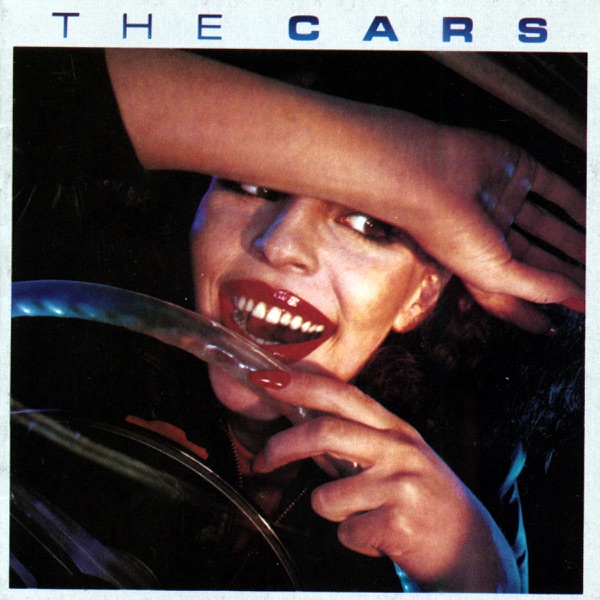
The Cars
The Cars
Debut that captures the same new wave accessibility with catchy hooks, electronic elements, and driving rock foundation as Parallel Lines.
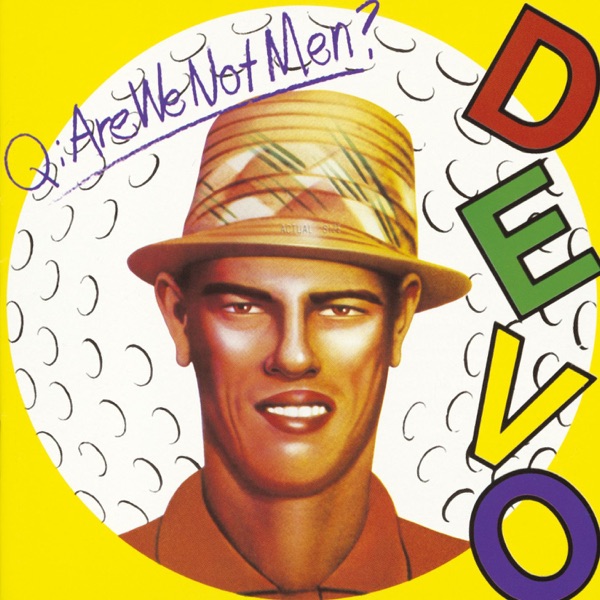
Q: Are We Not Men? A: We Are Devo!
Devo
Fellow new wave pioneers with equally inventive synth arrangements, rhythmic innovation, and the same era's cutting-edge pop sensibility.

Entertainment!
Gang of Four
Post-punk album with angular guitars, funk-influenced rhythms, and art-school ethos that complements Blondie's experimental approach to rock music.
Also Appears On
Own this record? Track it in your collection.