#353 of 500
· Rolling Stone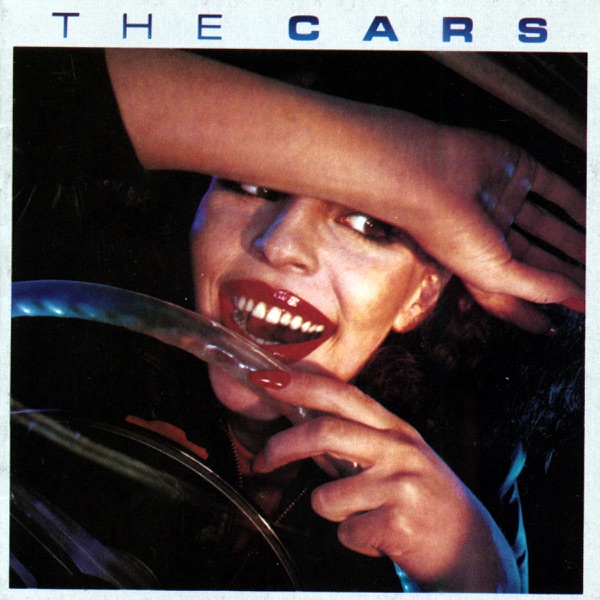
“The Cars at #353 with The Cars (1978). Past 300, every pick is an argument worth having. This is rock that doesn't just hold up — it still sounds essential. The original pressing belongs in any serious collection.”
The Cars emerged from Boston in 1976, blending new wave, punk energy, and pop sensibility into a distinctly American sound that dominated rock radio throughout the late 1970s and 1980s. Led by Ric Ocasek's distinctive vocals and innovative production approach, the band released their self-titled debut in 1978, followed by breakthrough albums 'Candy-O' (1979) and 'Panorama' (1980). Their commercial peak came with 'Shake It Up' (1981) and 'Heartbeat City' (1984), which showcased their mastery of synthesizer-driven rock and infectious pop hooks. The band disbanded in 1988 but reunited for occasional tours and eventually new recordings before Ocasek's death in 2019.
Style
The Cars pioneered a sophisticated blend of new wave, power pop, and rock characterized by angular synthesizers, tight hooks, and Ocasek's deadpan vocal delivery. Their sound bridged the gap between underground new wave innovation and mainstream rock radio appeal.
Significance
The Cars are essential for vinyl collectors interested in late-1970s and 1980s rock history, representing the successful American absorption of new wave aesthetics into arena rock. Their albums, particularly early pressings of their debut and 'Panorama,' remain highly sought-after collector's items and demonstrate the sonic clarity that made vinyl the preferred format during the synthesizer era.
The Cars' self-titled debut album was recorded in 1977 at Capitol Studios in Los Angeles under the direction of producer Roy Thomas Baker, known for his work with Queen. The band—Ric Ocasek (vocals, guitar), Benjamin Orr (bass, vocals), Elliot Easton (guitar), Greg Hawkes (keyboards), and David Robinson (drums)—had been performing in Boston's rock scene and caught the attention of elektra Records. The album showcased their distinctive blend of new wave, punk energy, and pop sensibility. Ocasek and Orr wrote most of the material, with standout tracks like "Just What I Needed" and "My Best Friend's Girl" emerging as infectious earworms. The production was clean and precise, establishing the band's signature sound that would define late-1970s rock.
Historical Context
Released in June 1978, The Cars arrived during the explosion of new wave and punk-influenced rock in America. While British new wave acts dominated charts, The Cars offered an American alternative with accessible melodies and sophisticated arrangements. The album climbed to #18 on the Billboard 200 and eventually went multi-platinum. "Just What I Needed" became a rock radio staple, while the album's success positioned The Cars as major players in the emerging new wave movement alongside Blondie and Talking Heads. The record's blend of art-school sensibilities with pop hooks appealed to both FM radio and college radio audiences.
Pressing Notes
The original 1978 Elektra pressing (ELK-52008) featured the gatefold cover with the band's iconic image. Early pressings are highly sought by collectors. The album has been reissued multiple times, including a 2001 DSD remaster and various audiophile pressings. Japanese pressings from the late 1970s/early 1980s are known for superior quality. Collectors should seek original inner sleeves and inserts when possible. The LP has appeared in 180-gram audiophile editions from Mobile Fidelity and other labels, which command premium prices but offer excellent sound quality for serious vinyl enthusiasts.

Parallel Lines
Blondie
Features the same new wave rock energy with catchy hooks and polished production that defines The Cars' debut sound.
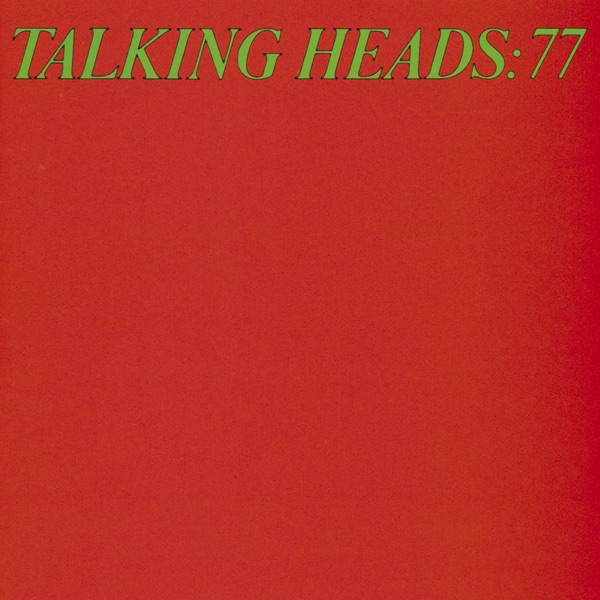
Talking Heads: 77
Talking Heads
Combines post-punk minimalism with art rock sensibilities and quirky vocals, sharing The Cars' intellectual approach to rock music.
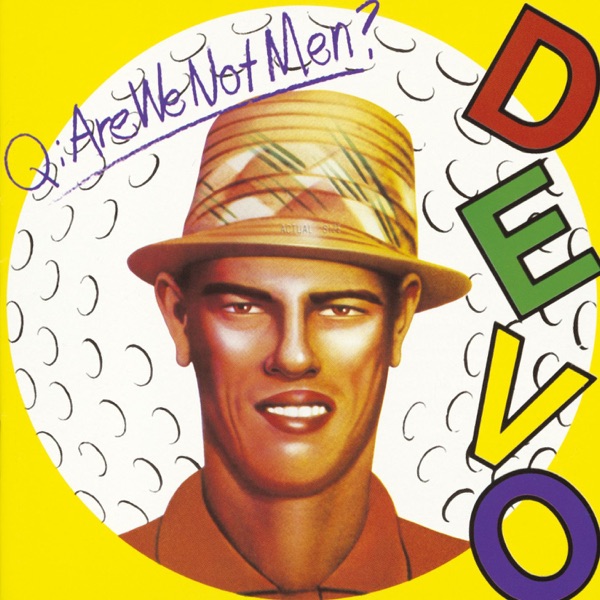
Q: Are We Not Men? A: We Are Devo!
Devo
Offers experimental rock with mechanical rhythms and distinctive vocal treatments that complement The Cars' synth-driven rock approach.
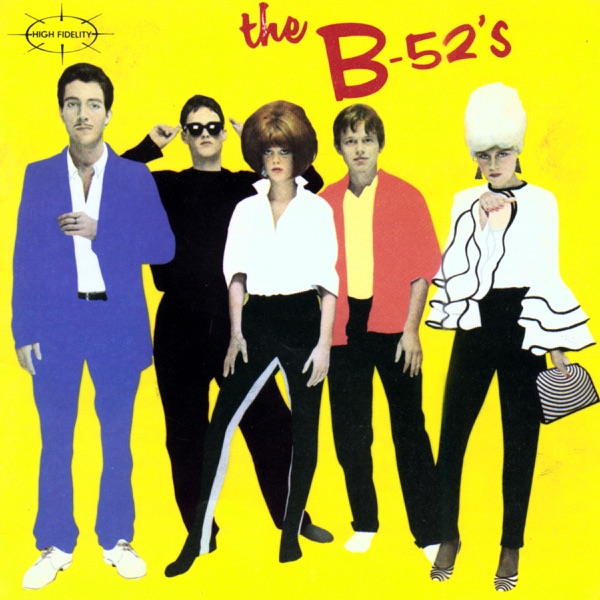
The B-52's
The B-52's
Shares the playful new wave spirit and use of synthesizers with infectious grooves and memorable hooks characteristic of late-70s rock innovation.
Own this record? Track it in your collection.