#13 of 25
· Cratewise Editorial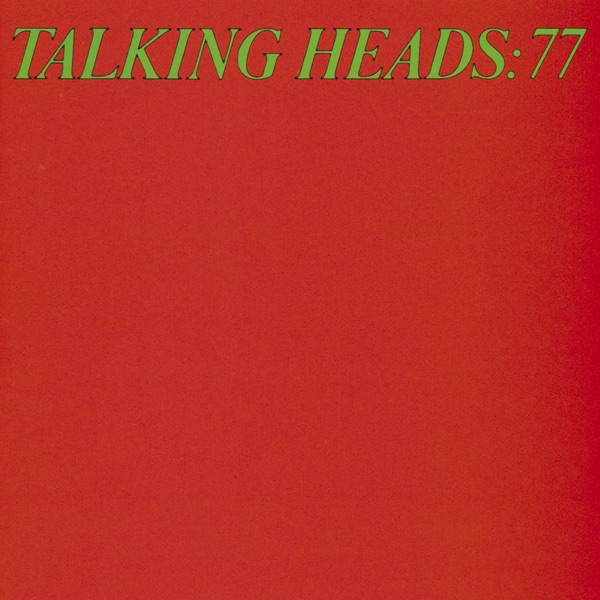
“'Psycho Killer' alone is worth it. The whole album is twitchy, nervous, brilliant art-punk. Original Sire pressings under $10 used. Their debut and their most underpriced record.”
Talking Heads emerged from New York's downtown punk scene in 1975, founded by David Byrne (vocals, guitar), Chris Frantz (drums), and Tina Weymouth (bass). The band evolved from minimalist post-punk origins into innovators of art rock and world music fusion. Their collaborative partnership with producer Brian Eno from 1978-1988 yielded groundbreaking albums including 'More Songs About Buildings and Food' (1978), 'Fear of Music' (1979), and the landmark 'Remain in Light' (1980), which incorporated Afrobeat rhythms and polyrhythmic complexity. The group achieved mainstream success with 'Speaking in Tongues' (1983) and the live album 'Stop Making Sense' (1984), which documented Jonathan Demme's legendary concert film. The band disbanded in 1991, reunited briefly in 2002, and have continued sporadic performances and collaborations. Byrne's solo work and the members' diverse projects have maintained their influence on contemporary music.
Style
Talking Heads pioneered art rock and post-punk with angular guitar work, syncopated rhythms, and anxious vocal delivery, gradually incorporating funk grooves, world music elements, and electronic production into their sophisticated, danceable sound.
Significance
As key architects of the post-punk and new wave movements, Talking Heads' innovative albums are cornerstone acquisitions for vinyl collectors interested in 1980s art rock, world music fusion, and the intersection of punk ethos with intellectual songwriting and production experimentation.
Talking Heads: 77 emerged from the New York post-punk scene where the band had been developing their distinctive art-rock sound at CBGB and other Lower East Side venues. Recorded at Hit Factory in New York with producer Ed Stasium, the album captures the nervous energy and angular guitar work that defined the group's early identity. David Byrne's anxious vocal delivery, Chris Frantz's precise drumming, and Tina Weymouth's melodic bass lines create a taut, intellectual sound that sets them apart from punk's raw aggression. The band self-released the album through Sire Records, establishing themselves as cerebral performers more interested in rhythm and lyrical abstraction than conventional songwriting. Tracks like "Uh-Oh, Love Comes to Town" and "New Feeling" showcase their ability to construct compelling pop songs from minimalist elements, blending art-school sensibilities with pop accessibility.
Historical Context
Released in September 1977, Talking Heads: 77 arrived during punk's peak commercial moment, yet the album offered a distinctly different aesthetic. While the Sex Pistols and Ramones dominated headlines, Talking Heads represented the art-rock alternative emerging from the same New York underground, gaining critical acclaim for their cerebral approach. The album influenced the post-punk and new wave movements that would dominate the early 1980s. Critics praised the band's originality and innovative production, establishing them as intellectuals navigating pop music rather than rebels rejecting it. The album's modest initial sales grew substantially through college radio and critical reassessment, eventually becoming recognized as a landmark debut.
Pressing Notes
The original 1977 Sire Records pressing is highly sought by collectors, particularly early copies with the textured cover design. The album has been reissued multiple times, including audiophile versions and expanded reissues with bonus tracks. Collectors should note that vinyl pressings from different eras vary in sound quality; original pressings and 1980s reissues generally command higher prices. The album's availability across formats (original LP, reissues, and high-definition versions) means collectors can choose based on budget and sonic preference, though original 1977 pressings in good condition remain the most desirable for serious collectors.

Parallel Lines
Blondie
Shares the same New York post-punk energy with art-rock sensibilities and infectious rhythmic drive that defined the mid-70s new wave scene.
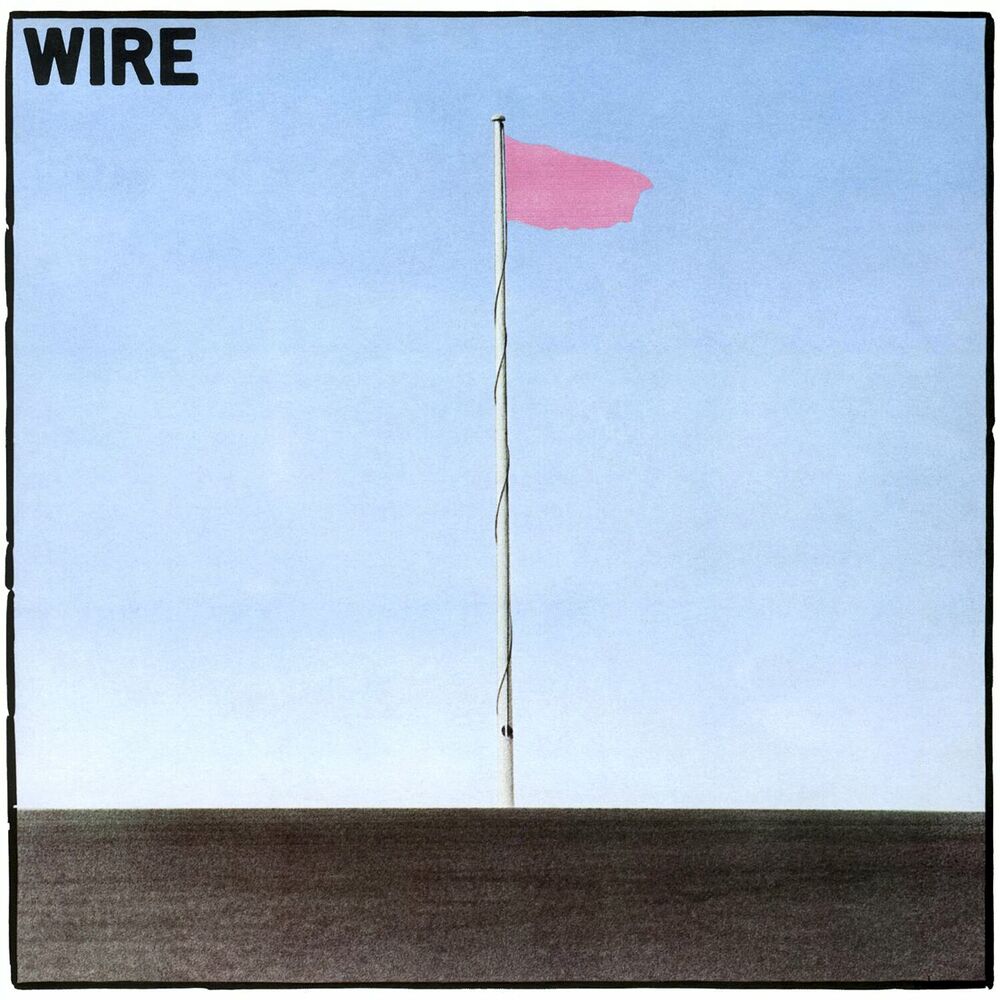
Pink Flag
Wire
Features the angular guitar work, experimental song structures, and intellectual approach to punk that appealed to the same avant-garde audience as Talking Heads.
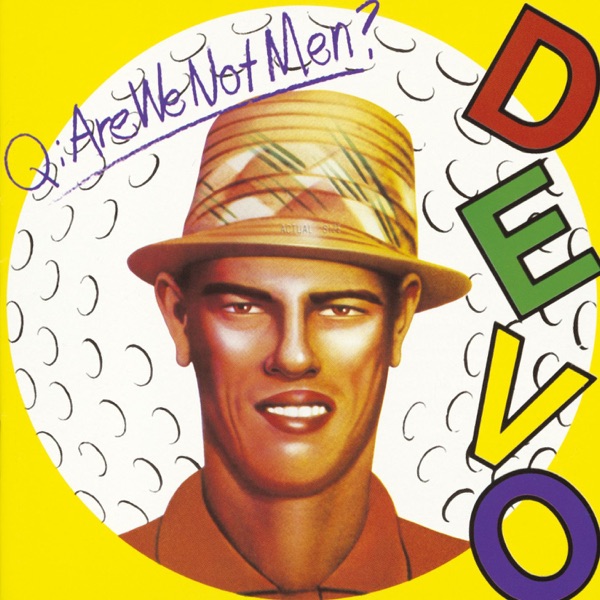
Q: Are We Not Men? A: We Are Devo!
Devo
Combines angular new wave aesthetics with robotic rhythms and dark humor, creating similarly thought-provoking and unconventional rock.

Entertainment!
Gang of Four
Merges post-punk urgency with funk-influenced bass lines and political consciousness, offering the same intellectual and rhythmic complexity.
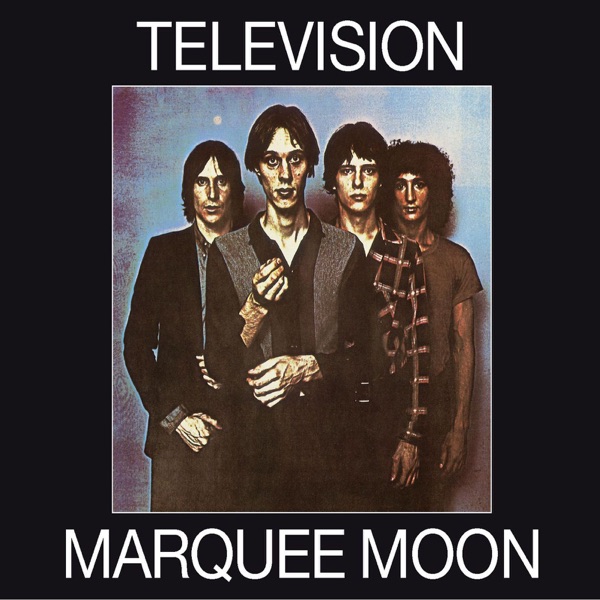
Marquee Moon
Television
Pioneering New York punk-rock with art-school sensibility and sophisticated guitar interplay that influenced Talking Heads' experimental approach to rock.
Own this record? Track it in your collection.