#252 of 500
· Rolling Stone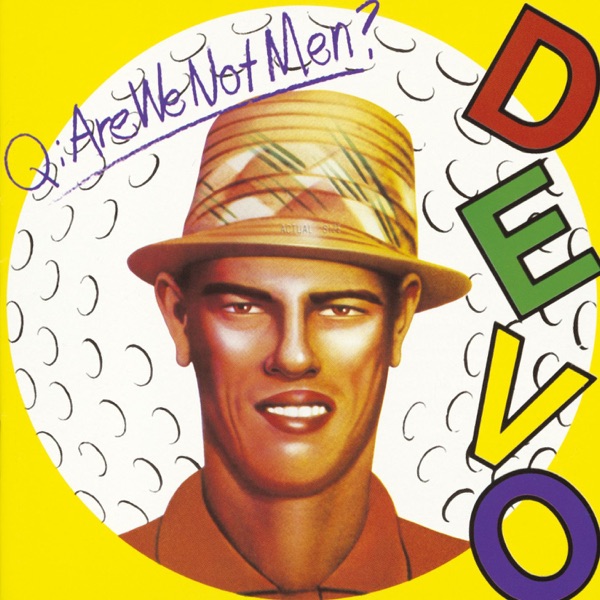
“This is the part of the list where the real crate-digging starts. Q: Are We Not Men? A: We Are Devo! is Devo's statement piece (1978) — locked in from the first groove. The original pressing does justice to a record that defined its corner of rock.”
Devo emerged from Akron, Ohio in 1973 as one of the most innovative and visually distinctive bands of the post-punk era. The quintet, led by brothers Mark and Gerald Casale, achieved mainstream breakthrough with their 1978 debut album 'Q: Are We Not Men? A: We Are Devo!', which introduced their signature jerky, robotic performance style and the hit single 'Whip It'. Throughout the 1980s, Devo released a string of critically acclaimed albums including 'Freedom of Choice' (1980) and 'Oh, No! It's Devo' (1982), blending synthesizers, angular guitar work, and provocative social commentary. The band became known for pioneering the use of music videos as an art form, with their visual presentations becoming as important as their music. After a hiatus in the late 1980s, Devo has maintained an active touring and recording presence, continuing to influence alternative and electronic music.
Style
Devo synthesized punk energy with electronic instrumentation, new wave sensibilities, and mechanical precision, creating a distinctly neurotic and satirical sound. Their music is characterized by sharp, staccato rhythms, processed vocals, synthesizers, and commentary on consumerism and technological alienation.
Significance
Devo's albums are highly sought by vinyl collectors for their innovative production, distinctive cover art, and cultural impact on new wave and synth-punk genres. Their records represent a crucial bridge between punk rebellion and electronic experimentation in 1970s-80s rock music.
Devo's debut album emerged from the band's evolution in Akron, Ohio, where members Mark Mothersbaugh, Jerry Casale, and their collaborators had been developing their satirical vision of technological alienation and human devolution. Recorded primarily at Capitol Studios in Hollywood with producer Robert Margouleff (known for his work with Stevie Wonder), the album captured Devo's art-school sensibility and sharp social commentary through angular, minimalist new wave arrangements. The band's tight rhythmic precision and Mothersbaugh's nasal, distinctive vocals drove songs like "Jocko Homo" and "Uncontrollable Urge." The creative process emphasized mechanical perfection and ironic detachment, reflecting the band's broader concept that modern society was causing humanity to devolve rather than evolve.
Historical Context
Released in August 1978, the album arrived during new wave's breakthrough into mainstream consciousness, alongside debuts from Talking Heads and Television. "Jocko Homo," with its anthemic refrain "Are we not men? We are Devo!" became an underground hit, introducing the band's absurdist critique of mass culture and conformity. The album's commercial success was bolstered by the band's striking visual presentation and energetic performances. While initial reception was strong within punk and art-rock circles, the album gradually gained broader radio play and established Devo as intellectually rigorous interpreters of post-punk aesthetics.
Pressing Notes
The original Warner Bros. pressing (W 3228) featured the classic cover art with the band's iconic red energy domes. Early pressings are highly sought after by collectors. The album has been reissued multiple times, including audiophile vinyl remastered editions. Collectors should note that different pressings vary in sound quality and jacket materials. Original 1978 pressings tend to command higher prices. The album remains widely available on vinyl through various editions, making it accessible to both casual listeners and serious collectors.
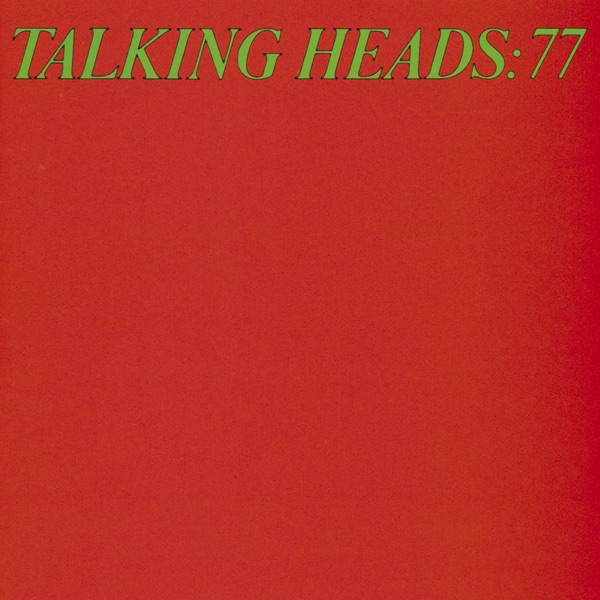
Talking Heads: 77
Talking Heads
Both bands pioneered post-punk with mechanical rhythms and art-rock sensibilities, featuring quirky vocals and angular guitar work.
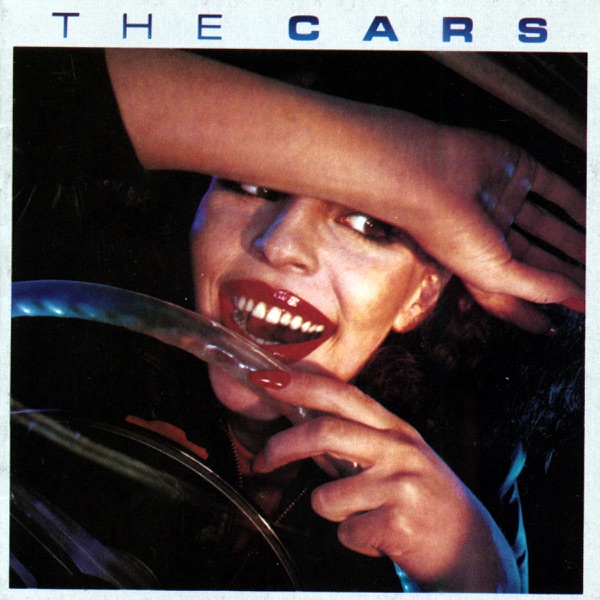
The Cars
The Cars
Shares Devo's synthesizer-driven new wave sound and robotic pop hooks with a similarly deconstructed approach to rock music.
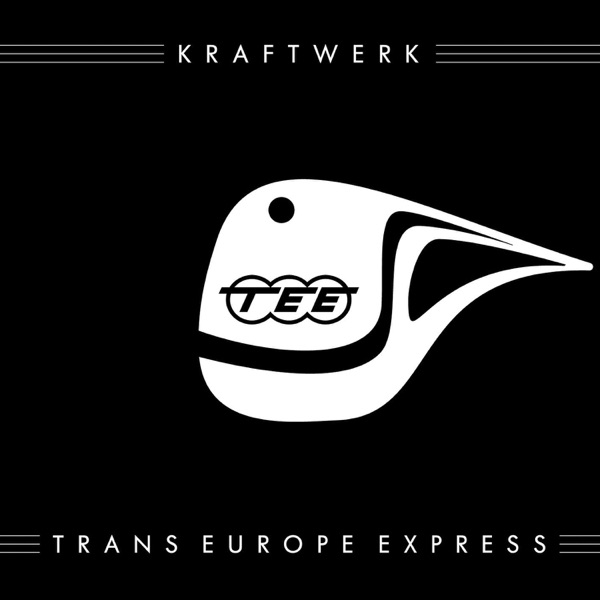
Trans-Europe Express
Kraftwerk
A major influence on Devo's electronic percussion and synthetic sound, featuring the same fascination with rhythm machines and motorik grooves.

Entertainment!
Gang of Four
Matches the jittery energy and post-punk experimentalism of Devo with tense rhythms and unconventional song structures.
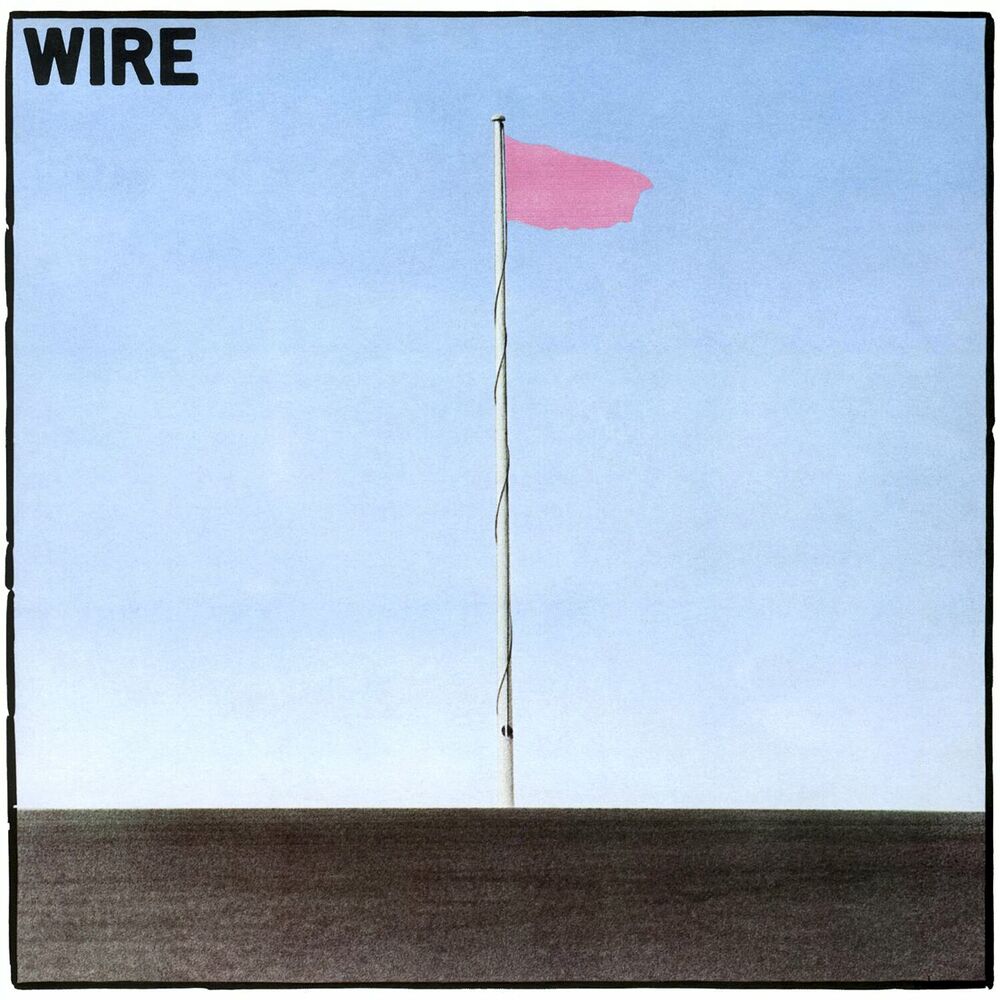
Pink Flag
Wire
Offers the same abrasive, angular post-punk aesthetic with minimalist arrangements and eccentric vocal delivery.
Own this record? Track it in your collection.