#364 of 500
· Rolling Stone
More Songs About Buildings and Food
Talking Heads
Year
1978
Genre
RockLabel
Format
Vinyl LP
“More Songs About Buildings and Food by Talking Heads (1978) sits at #364 and earns every bit of it. Past 300, every pick is an argument worth having. The original pressing is built for vinyl playback — the kind of album that sounds better on wax.”
Talking Heads emerged from New York's downtown punk scene in 1975, founded by David Byrne (vocals, guitar), Chris Frantz (drums), and Tina Weymouth (bass). The band evolved from minimalist post-punk origins into innovators of art rock and world music fusion. Their collaborative partnership with producer Brian Eno from 1978-1988 yielded groundbreaking albums including 'More Songs About Buildings and Food' (1978), 'Fear of Music' (1979), and the landmark 'Remain in Light' (1980), which incorporated Afrobeat rhythms and polyrhythmic complexity. The group achieved mainstream success with 'Speaking in Tongues' (1983) and the live album 'Stop Making Sense' (1984), which documented Jonathan Demme's legendary concert film. The band disbanded in 1991, reunited briefly in 2002, and have continued sporadic performances and collaborations. Byrne's solo work and the members' diverse projects have maintained their influence on contemporary music.
Style
Talking Heads pioneered art rock and post-punk with angular guitar work, syncopated rhythms, and anxious vocal delivery, gradually incorporating funk grooves, world music elements, and electronic production into their sophisticated, danceable sound.
Significance
As key architects of the post-punk and new wave movements, Talking Heads' innovative albums are cornerstone acquisitions for vinyl collectors interested in 1980s art rock, world music fusion, and the intersection of punk ethos with intellectual songwriting and production experimentation.
Released in 1978, 'More Songs About Buildings and Food' marked Talking Heads' second album and their first with producer Brian Eno, a collaboration that would become creatively transformative. The album was recorded at the Record Plant in New York and featured the band—David Byrne, Tina Weymouth, Chris Frantz, and Jerry Harrison—exploring a more refined post-punk sound. The title humorously referenced their debut's minimalist aesthetic while the music demonstrated increased sophistication and accessibility. Eno's production introduced subtle textures and atmospheric layers that elevated the band's initially sparse sound into something more lush and experimental. The album features the standout track 'Take Me to the River,' a cover of Al Green's soul classic that became one of their signature songs and introduced the group to a broader audience. The songwriting showcases Byrne's distinctive lyrical approach to everyday subjects and urban observations.
Historical Context
In 1978, punk and new wave were fragmenting into distinct branches, with art rock and post-punk emerging as serious alternatives to both. Talking Heads occupied a unique position as intellectual, dance-oriented innovators who appealed to both punk audiences and avant-garde listeners. The album arrived during the height of disco's cultural dominance and reflected a growing interest in rhythmic precision combined with experimental production. Critical reception was strong, establishing the band as major voices in post-punk. The album helped define the emerging CBGB aesthetic and influenced countless new wave and alternative artists throughout the following decade.
Pressing Notes
The original 1978 Sire Records pressing is the most sought-after version among collectors, particularly early editions with the Herberta Richtmeyer cover art. The album has been reissued multiple times on vinyl, including audiophile reissues and recent 180-gram pressings from Warners. Collectors should seek out original pressings from 1978-1979 for superior quality, as later reissues vary in mastering and pressing quality. The album was also released on colored vinyl variants in recent years as part of deluxe reissues. Early pressings can command premium prices, particularly if near-mint. Check matrix codes and label details to distinguish between pressings, as Sire used different plants and variations throughout the initial release period.

Entertainment!
Gang of Four
This post-punk album shares the angular guitar work, rhythmic complexity, and intellectual approach to rock that defined Talking Heads' sound in the mid-1970s.
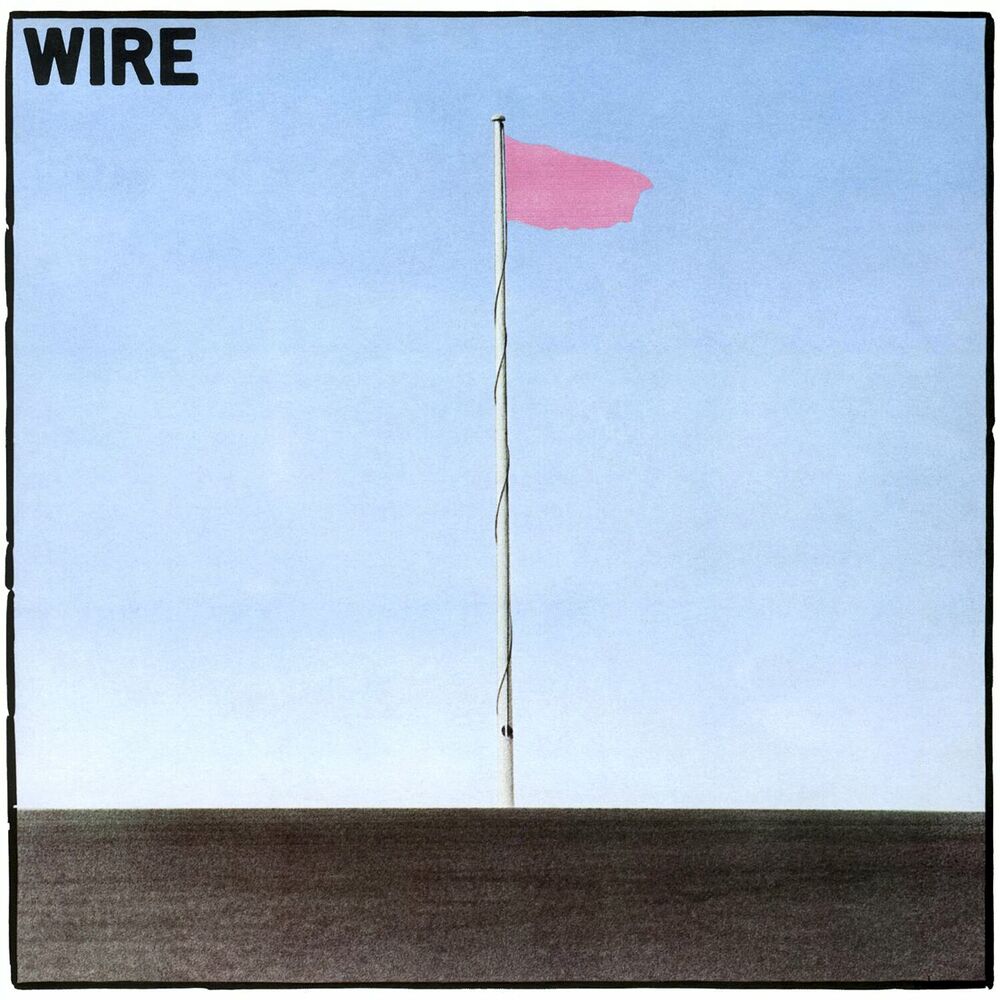
Pink Flag
Wire
An essential post-punk contemporary that shares Talking Heads' minimalist aesthetic, choppy rhythms, and intellectual deconstruction of rock music conventions.
Own this record? Track it in your collection.