#22 of 25
· Cratewise Editorial
At San Quentin
Johnny Cash
Year
1969
Genre
Country/AmericanaLabel
Columbia
Format
Vinyl LP
“Cash's other prison album. 'A Boy Named Sue' live, 'Folsom Prison Blues' live (again). Under $15 new, under $8 used. Raw, rowdy, and essential.”
Johnny Cash (1932-2003) was an American singer-songwriter who became one of the most influential figures in country music history. Rising to prominence in the 1950s with Sun Records, Cash pioneered a distinctive sound blending country, rock, and folk influences. His deep baritone voice and rebellious image made him an icon, earning him the nickname "The Man in Black." Cash achieved remarkable commercial success with hits like "I Walk the Line" (1956) and "Folsom Prison Blues" (1955). Throughout his career, he released numerous critically acclaimed albums and collaborated with legends like June Carter, whom he married in 1968. His later-career renaissance, sparked by producer Rick Rubin's American Recordings series (1994-2003), introduced him to new generations and demonstrated his enduring artistry.
Style
Johnny Cash's sound uniquely blended country, folk, blues, and rock influences, characterized by his unmistakable deep baritone voice and straightforward lyrical storytelling. His music combined traditional country instrumentation with accessible melodies that transcended genre boundaries.
Significance
Cash's albums are essential to vinyl collectors, particularly his 1950s Sun Records releases and his American Recordings series, which are considered masterpieces of later-life artistry. His cultural impact extended beyond music into social commentary, making him a cornerstone of American roots music collecting.
Johnny Cash recorded 'At San Quentin' on February 10, 1969, at California's notorious San Quentin State Prison. This live album captured Cash's genuine connection with incarcerated audiences, a relationship that had defined much of his career. The performance was intimate and stripped-down, featuring Cash with his band performing songs that resonated deeply with prisoners—tales of hardship, redemption, and struggle. The album includes the now-famous rendition of 'San Quentin,' a song Cash had written specifically for the occasion. Producer Bob Johnston oversaw the recording, which would become one of the most authentic live documents of Cash's later period. The spontaneous energy and emotional weight of the performance captured something essential about Cash's artistry and his lifelong advocacy for prisoners.
Historical Context
Released in 1969, 'At San Quentin' arrived during a transformative period for Johnny Cash. His earlier live album 'At Folsom Prison' (1968) had revitalized his career after years of declining chart success, and this follow-up capitalized on that momentum while establishing Cash as a voice for the marginalized. The late 1960s saw growing social awareness of prison conditions and criminal justice reform, making Cash's prison concert series culturally resonant beyond country music circles. The album was commercially successful and critically acclaimed, reinforcing Cash's status as an elder statesman and authentic storyteller. It demonstrated that Cash's appeal extended far beyond traditional country audiences.
Pressing Notes
The original 1969 Columbia Records release featured gatefold artwork with photographs from the prison performance. Early pressings are sought by collectors for their warm analog sound quality. The album has been reissued multiple times, including a 2001 Legacy remaster and various deluxe editions. Vinyl collectors should note that original Columbia pressings vary in label designs and matrix numbers depending on pressing plant. The LP is widely available in both original and reissue formats, making it accessible to collectors at various price points. Reissues generally offer improved clarity, though original pressings are valued for their vintage character and historical significance.

Honky Tonk Heroes
Waylon Jennings
A gritty outlaw country classic with the same raw authenticity and rebellious spirit that defines Cash's San Quentin recording.
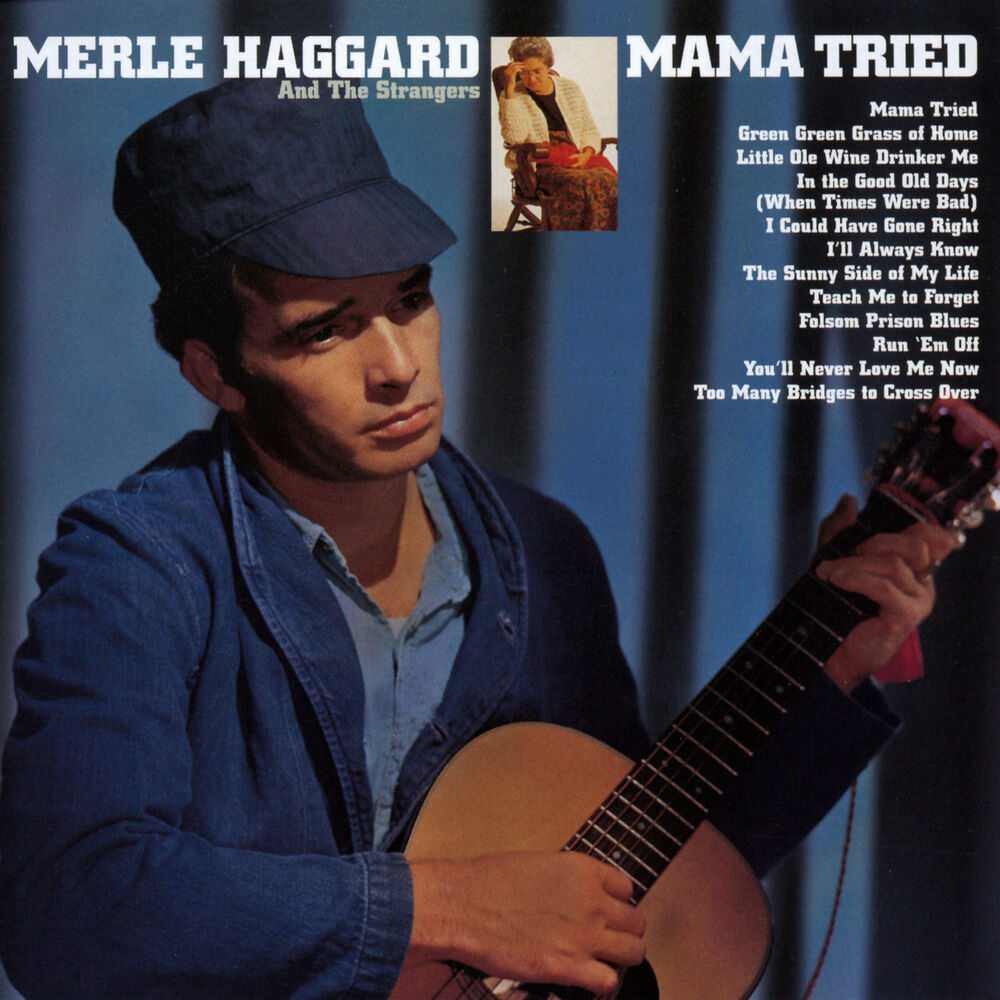
Mama Tried
Merle Haggard
Features Haggard's signature storytelling about working-class struggle and redemption, themes central to Cash's prison recordings.

Red Headed Stranger
Willie Nelson
A sparse, narrative-driven country album with the same intimate live performance quality and outlaw sensibility as At San Quentin.
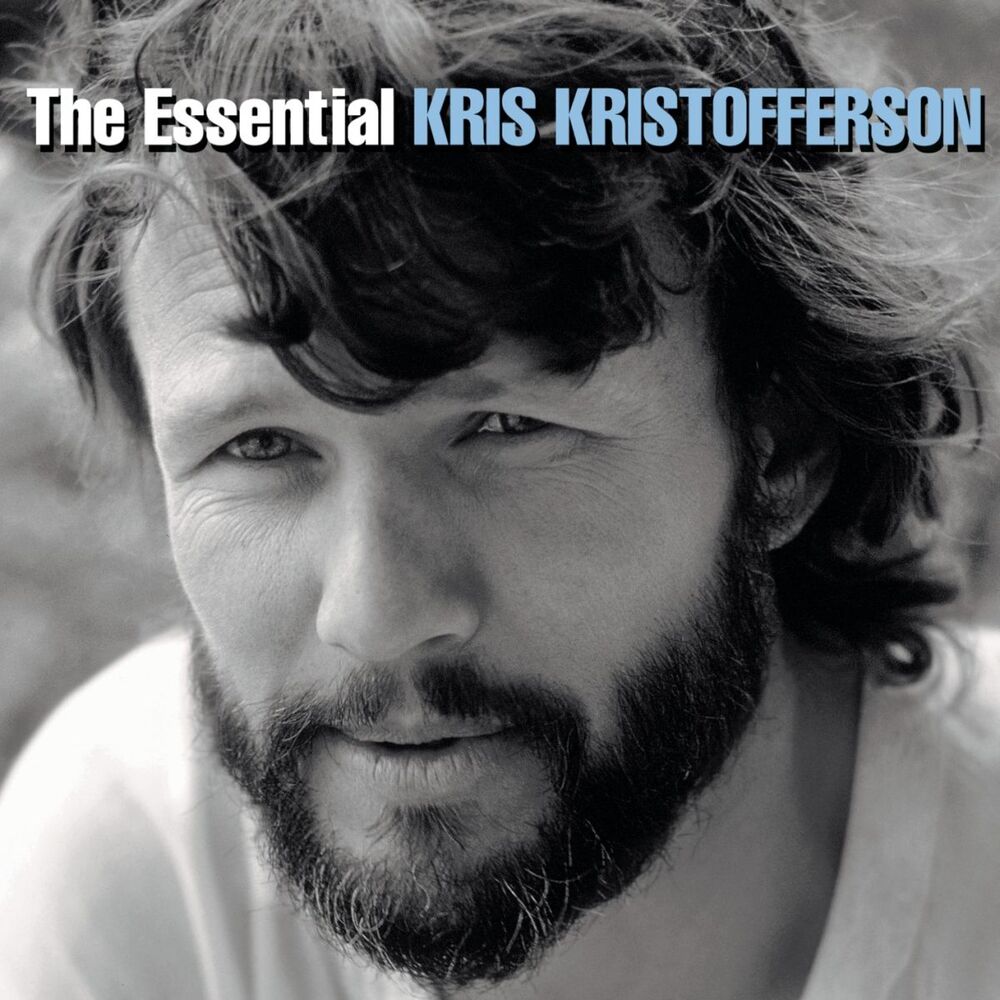
Kristofferson
Kris Kristofferson
Raw country-folk songs with introspective lyrics about hardship and redemption that share the emotional depth of Cash's prison concert.
Own this record? Track it in your collection.