#6 of 25
· Cratewise Editorial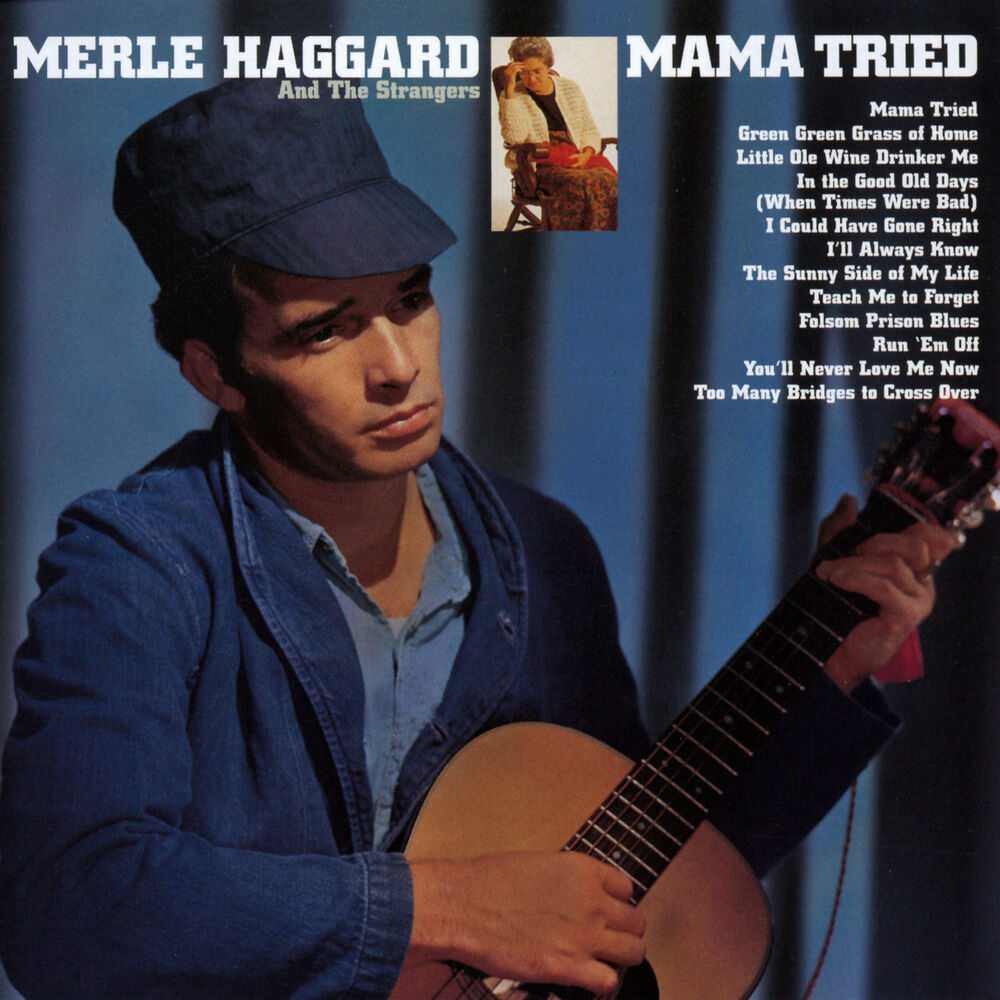
“The title track is autobiographical — Haggard really was in San Quentin when Johnny Cash played there. Bakersfield country at its hardest and most honest. Under $15.”
Merle Haggard (1930-2016) was a legendary country music artist who became one of the genre's most influential figures. Rising to prominence in the 1960s, Haggard defined the "Bakersfield Sound," a raw, guitar-driven alternative to Nashville's polished production. His breakthrough came with "Sing Me Back Home" (1968) and the controversial hit "Okie from Muskogee" (1969), which became cultural touchstones. Throughout his prolific career spanning five decades, Haggard recorded over 40 albums and earned numerous Grammy Awards. He remained remarkably consistent, drawing from honky-tonk, Western swing, and traditional country while maintaining artistic integrity.
Style
Haggard pioneered the Bakersfield Sound, characterized by twangy electric guitars, fiddle arrangements, and emotionally direct vocals. His style blended honky-tonk traditionalism with contemporary country production, creating a distinctive sound that influenced generations of country artists.
Significance
Haggard's extensive discography makes him essential to country vinyl collections, with original pressings of his 1960s-70s albums highly sought by collectors. His influence on outlaw country and traditional country music represents a crucial chapter in American roots music history that vinyl enthusiasts value for both sonic quality and cultural importance.
Mama Tried, released in 1968, captures Merle Haggard at a creative peak following the massive success of "Okie from Muskogee." The album was recorded at Capitol Studios in Hollywood with producer Ken Nelson, who had become Haggard's trusted collaborator. The title track, written by Haggard himself, became one of his signature songs—a poignant autobiographical narrative about his troubled youth and his mother's efforts to steer him toward respectability. The album showcases Haggard's masterful storytelling ability, blending traditional country instrumentation with his distinctive vocal phrasing. Recording sessions featured his backing band The Strangers, whose tight arrangements and authentic country sound became instrumental in defining the Bakersfield sound that Haggard championed.
Historical Context
Mama Tried arrived during a transformative period in country music when artists like Haggard were gaining mainstream crossover appeal without compromising authenticity. The late 1960s saw country music gaining respect among rock audiences, partly due to artists embracing their working-class roots rather than diluting them. Haggard's success on both country and pop charts helped legitimize country music as serious artistic expression. The album was well-received commercially and critically, solidifying Haggard's status as country music's preeminent songwriter and vocalist of the era.
Pressing Notes
The original Capitol Records pressing from 1968 featured the iconic cover photograph. Capitol released the album in both mono and stereo, with stereo versions being more common in the market today. Later reissues appeared on Capitol's budget labels and through various distributors. Collectors should note that early stereo pressings offer superior sound quality compared to later reissues. The album has been reissued on CD multiple times with varying remastering approaches. Original vinyl copies in good condition remain affordable and are readily available through collectors' markets.

Honky Tonk Heroes
Waylon Jennings
Features the same outlaw country aesthetic and raw, authentic honky-tonk sound that defines Haggard's approach to country music.
At Folsom Prison
Johnny Cash
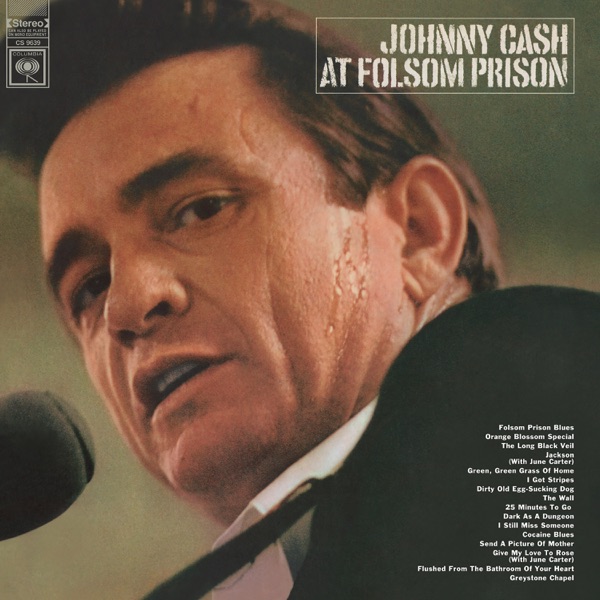
Prison-themed country narrative with gritty authenticity and powerful storytelling that resonates with the themes in 'Mama Tried.'
Metamodern Sounds in Country Music
Sturgill Simpson
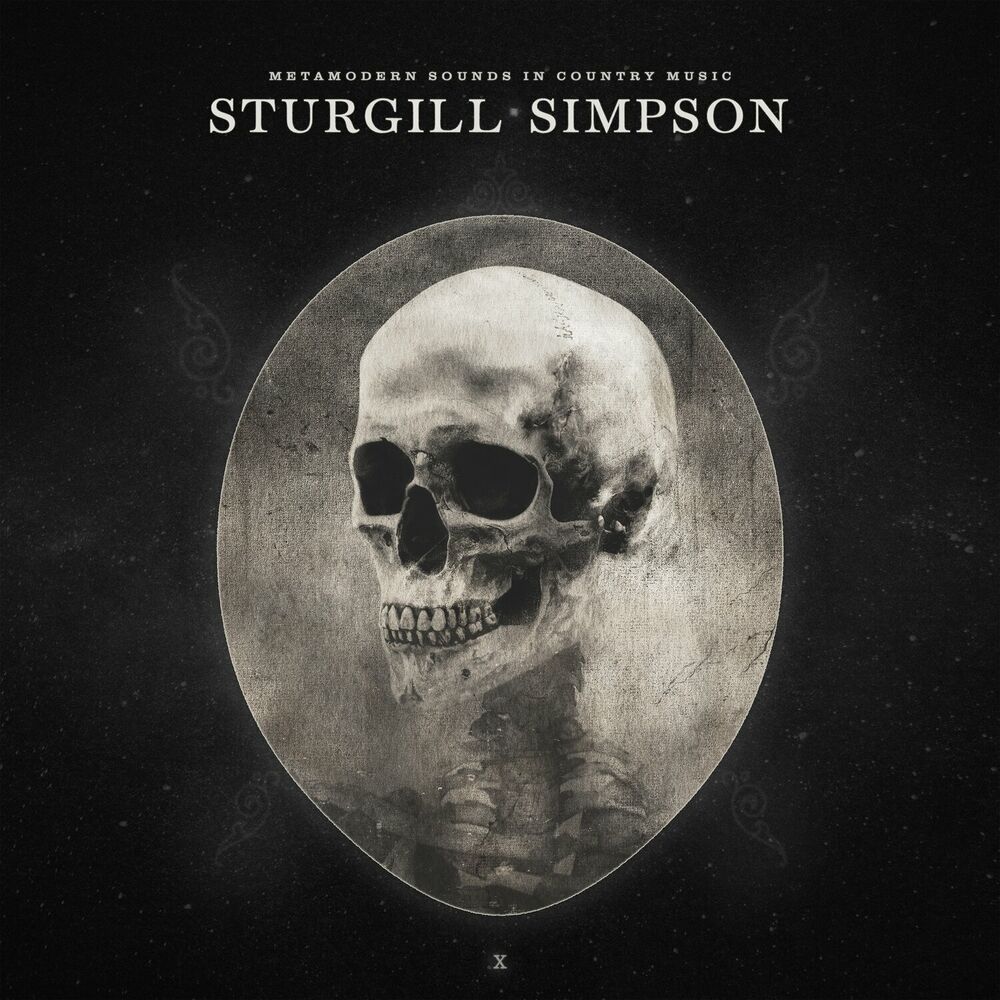
A modern artist deeply rooted in traditional country values who channels Haggard's authentic country spirit with contemporary production sensibilities.
Own this record? Track it in your collection.