#11 of 25
· Cratewise Editorial
Honky Tonk Heroes
Waylon Jennings
Year
1973
Genre
Country/AmericanaLabel
RCA
Format
Vinyl LP
“The album that launched outlaw country. Billy Joe Shaver wrote nearly every song. Waylon played them with a swagger that Nashville's establishment couldn't control.”
Waylon Jennings (1937-2002) was a pioneering outlaw country artist who fundamentally changed the landscape of country music in the 1970s. Beginning his career in the 1950s as a rockabilly performer, Jennings gradually evolved into country music, releasing his breakthrough album 'Honky Tonk Heroes' in 1973, which established the outlaw country movement alongside Willie Nelson and Merle Haggard. His deep, distinctive baritone and rebellious approach to songwriting and production—insisting on artistic control over his recordings—made him a defining voice of the era. Key albums include 'Are You Ready for Freddy' (1974), 'Wanted! The Outlaws' (1976, a landmark compilation), and 'I've Always Been Crazy' (1978). His later career included successful duets and collaborations, cementing his status as a country music institution until his death.
Style
Waylon Jennings embodied outlaw country with a blend of rock and roll edge, blues-influenced vocals, and country storytelling, characterized by a gruff, authoritative baritone and a willingness to defy Nashville's commercial conventions.
Significance
Jennings is essential to vinyl collectors interested in country music history, representing a pivotal moment when country artists demanded creative autonomy and authenticity, fundamentally reshaping the genre and influencing generations of country musicians who followed.
Honky Tonk Heroes, released in 1973, marked a creative turning point for Waylon Jennings as he embraced a rawer, more authentic country sound. The album was largely written by Billy Joe Shaver, a Texas songwriter whom Jennings championed, with Shaver composing or co-writing eight of the nine tracks. Recording took place at Waylon's JD Studios in Nashville, where Jennings worked with his regular band to capture a grittier, less polished aesthetic than the slick Nashville Sound of previous decades. The title track became Jennings' signature song, reaching the country Top 10. Jennings' production choices emphasized live instrumentation and his distinctive vocal delivery, establishing the template for outlaw country that would define his career through the 1970s.
Historical Context
By 1973, country music was experiencing a stylistic shift away from the heavily orchestrated Nashville Sound toward more traditional, guitar-driven arrangements. Honky Tonk Heroes arrived during the early stages of the outlaw country movement, alongside similar efforts by Willie Nelson and Merle Haggard to reclaim country music's rebellious spirit. The album's success validated Jennings' artistic direction and helped legitimize outlaw country as a commercial and critical force. It positioned him as a major force in country music and influenced the genre's direction throughout the 1970s, appealing to both traditional country fans and rock audiences seeking authenticity.
Pressing Notes
The original 1973 RCA Victor pressing features the classic cover photo of Jennings with a rifle. Early pressings came in standard gatefold jackets with vibrant orange and brown artwork. The album has been reissued multiple times on vinyl, including audiophile reissues that emphasize the warmth of the original recordings. Collectors should seek original 1970s RCA pressings for optimal sound quality and historical value. Later reissues, while sonically competent, lack the dynamic character of early pressings. The album remains readily available in various formats, making it accessible for collectors building outlaw country collections.
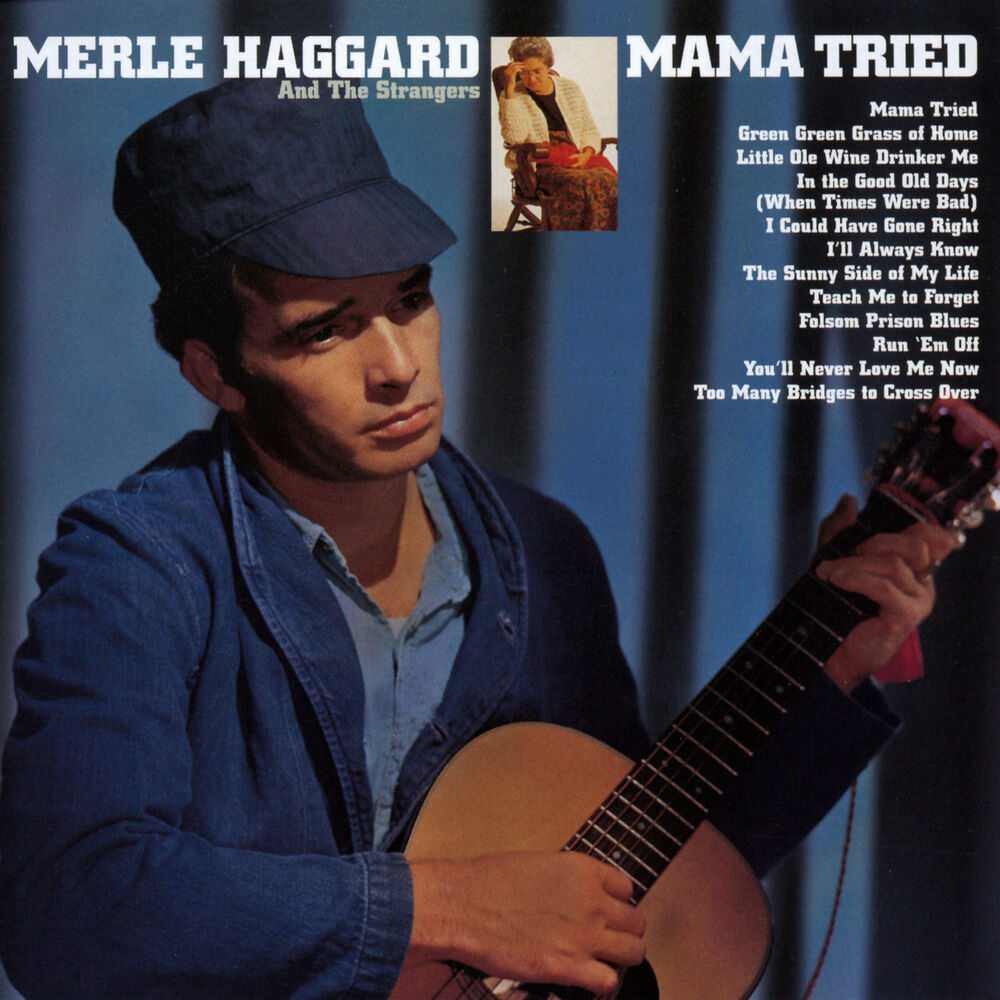
Mama Tried
Merle Haggard
Haggard's gritty, working-class storytelling and honky tonk instrumentation align perfectly with Jennings' raw country style.
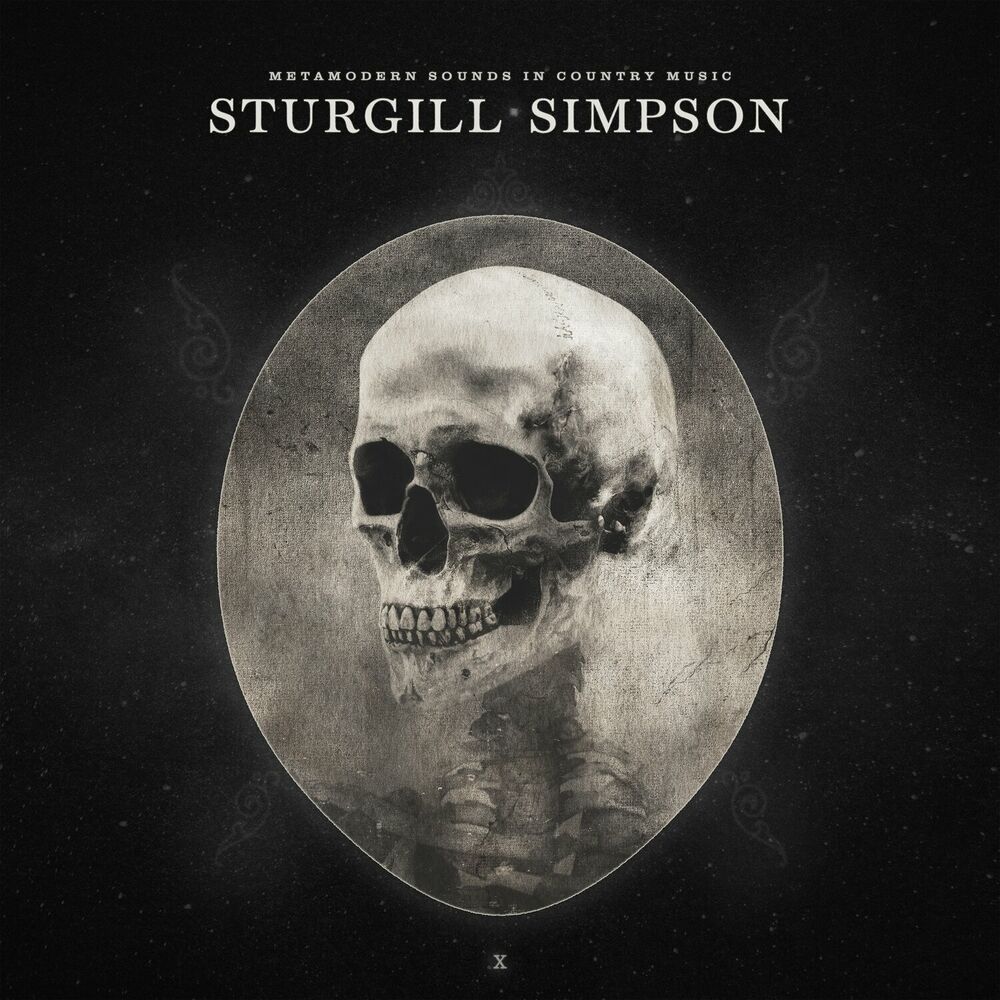
Metamodern Sounds in Country Music
Sturgill Simpson
A modern artist who reveres the outlaw country tradition while adding psychedelic production, offering a fresh take on the sound Jennings pioneered.
Own this record? Track it in your collection.