#12 of 25
· Cratewise Editorial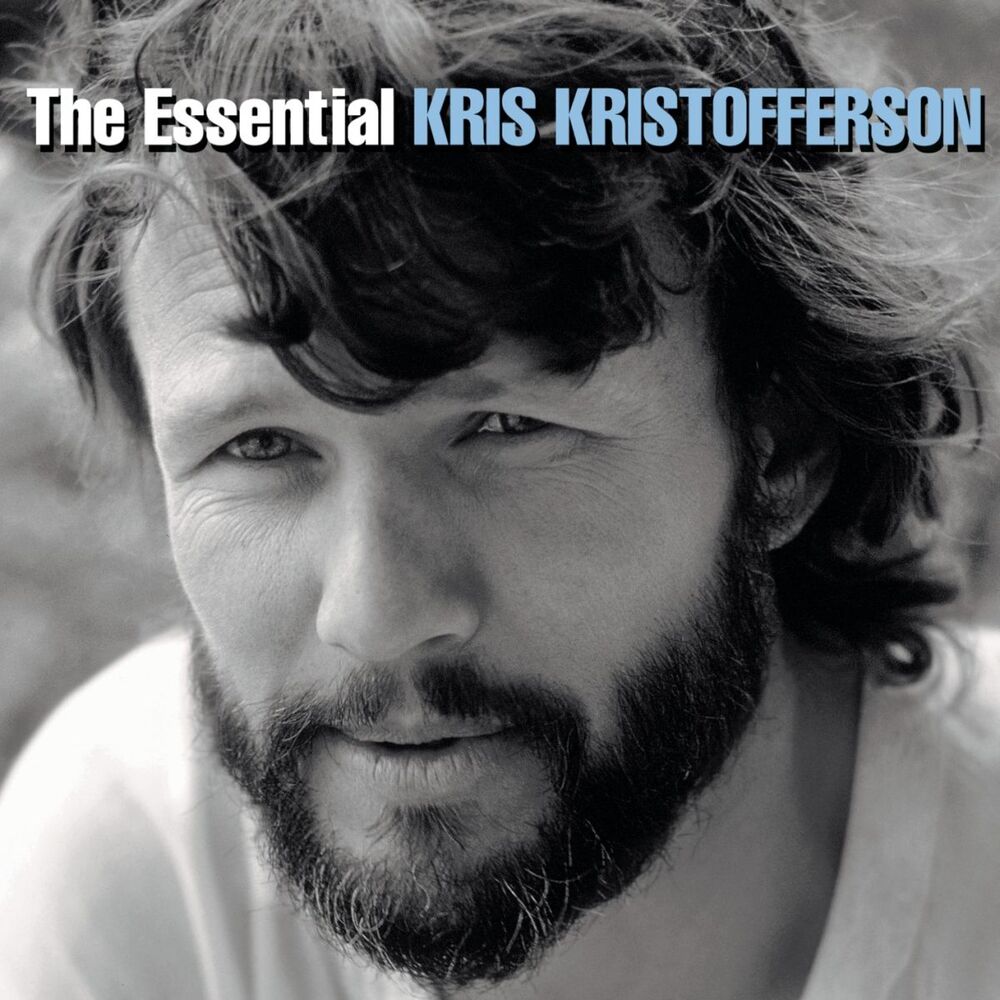
Kristofferson
Kris Kristofferson
Year
1970
Genre
Country/AmericanaLabel
Monument
Format
Vinyl LP
“'Me and Bobby McGee,' 'Sunday Mornin' Comin' Down,' 'Help Me Make It Through the Night.' Three all-time classics on one debut. Kristofferson was a Rhodes Scholar who became Nashville's best songwriter.”
Kris Kristofferson emerged as a pivotal figure in outlaw country during the 1970s, revolutionizing Nashville's sound with introspective, poetic songwriting that challenged commercial conventions. After years as a session musician and songwriter for others, he achieved breakthrough success with his 1971 debut album, establishing himself as both performer and prolific composer. His most acclaimed work includes "Kristofferson" (1971), "Jesus Was a Capricorn" (1972), and the landmark collaborative album "Wanted! The Outlaws" (1976) with Waylon Jennings, Willie Nelson, and Jessi Colter—the first country album to achieve platinum status. Throughout the 1970s and beyond, Kristofferson's raw, unpolished vocal delivery and sophisticated songwriting—marked by themes of redemption, loss, and spiritual questioning—made him a defining voice of the outlaw country movement alongside peers like Jennings and Nelson.
Style
Outlaw country and progressive country-rock, characterized by Kristofferson's distinctive, weathered vocals, poetic lyrics, and sparse instrumentation that emphasized emotional authenticity over commercial polish. His work blended country traditions with rock influences and introspective, literary sensibilities.
Significance
Kristofferson's influence on vinyl collectors centers on his role in legitimizing country music as an artistic medium for serious songwriting and his collaboration on pivotal concept albums that defined the outlaw country era. His original pressings from the 1970s remain highly sought by collectors for their sonic quality and cultural importance.
Kris Kristofferson's self-titled debut album, released in 1970, marked his transition from successful Nashville songwriter to recording artist. After penning hits for Johnny Cash, Waylon Jennings, and others, Kristofferson finally stepped into the spotlight as a performer. The album was recorded at Monument Records' Nashville studios and showcased his raw, introspective songwriting style. Producer Fred Foster oversaw the sessions, capturing Kristofferson's distinctive baritone and sparse, poetic arrangements. The album features some of his most enduring compositions, including 'Me and Bobby McGee,' which would become a massive hit when Janis Joplin recorded her iconic version shortly after. Kristofferson's approach emphasized lyrical depth and emotional authenticity over commercial polish, establishing the template for the outlaw country movement that would dominate the decade.
Historical Context
Released in 1970, 'Kristofferson' arrived as country music was beginning to fragment into progressive and traditional camps. Nashville's establishment was cautiously embracing younger singer-songwriters who brought rock sensibilities to country forms. The album received modest initial attention but grew in stature as other artists championed Kristofferson's compositions. His success helped validate the outlaw country aesthetic championed by Willie Nelson, Waylon Jennings, and others who rejected Nashville's polished production standards. By 1971-72, Kristofferson's profile had risen significantly, partly through Joplin's 'Me and Bobby McGee' reaching number one posthumously, drawing listeners back to discover his original versions and other album tracks.
Pressing Notes
The original Monument Records pressing is highly sought by collectors. Early stereo pressings (Monument MLP 8002) feature warm, dynamic sound characteristic of the era's tube-based recording techniques. Mono pressings are rarer and valued by purists. The album has been reissued multiple times on vinyl, including through various labels' catalog reissues and audiophile pressings. Collectors should note that original Monument pressings from 1970-71 command premiums, especially copies in excellent condition with original gatefold jackets. Later reissues, while accessible and sonically respectable, lack the vintage charm and market value of first editions. Condition is paramount—the album's sparse arrangements mean surface noise is more noticeable than on heavily produced records.

Own this record? Track it in your collection.