#266 of 500
· Rolling Stone
“This is the part of the list where the real crate-digging starts. Help! is The Beatles's statement piece (1965) — locked in from the first groove. The original pressing does justice to a record that defined its corner of rock.”
The Beatles, formed in Liverpool in 1960, revolutionized popular music and became the most influential band of the 20th century. The core lineup of John Lennon, Paul McCartney, George Harrison, and Ringo Starr released thirteen studio albums between 1963 and 1970, each marking significant artistic evolution. From their early pop sensibilities on 'Please Please Me' and 'A Hard Day's Night,' they progressed through the sophisticated pop of 'Rubber Soul' and 'Revolver,' to the landmark concept album 'Sgt. Pepper's Lonely Hearts Club Band' (1967), and finally the experimental work of 'The White Album' and 'Abbey Road' (1969). Their final album, 'Let It Be' (1970), was released after their breakup, documenting the band's creative dissolution.
Style
The Beatles' sound evolved from energetic British Invasion rock and roll to pioneering psychedelic rock, avant-garde experimentation, and sophisticated pop songwriting. Their work incorporated diverse influences including rock and roll, R&B, folk, Indian classical music, and electronic experimentation.
Significance
The Beatles are arguably the most collectible artists in vinyl history, with original pressings and first editions commanding significant value among collectors. Their albums represent essential recordings that defined modern record production techniques and remain benchmark examples of album-oriented artistry and sonic innovation.
Help! was recorded during a transitional period for The Beatles in early 1965, primarily to serve as the soundtrack to their second film of the same name. Unlike A Hard Day's Night, which featured original compositions throughout, Help! mixed new songs with instrumental score pieces by Ken Thorne. The band recorded the album's seven original tracks between February and March 1965 at EMI Studios in London, capturing songs written largely by Lennon and McCartney that reflected their growing studio sophistication. Notable tracks include the title song "Help!" and "Ticket to Ride," both demonstrating the group's expanding harmonic complexity. The album's recording also marked the first Beatles session featuring a sitar, played by session musician Hemendra Pratap on "Norwegian Wood (This Bird Has Flown)," which would appear on their next studio album Rubber Soul.
Historical Context
Help! arrived in August 1965 during the height of Beatlemania and the British Invasion's peak commercial moment. The album dominated charts worldwide and solidified The Beatles' status beyond the screaming teenage fanbase—it demonstrated they were serious musicians capable of artistic growth. Released just as folk-rock was beginning to influence pop music, the album's blend of rock and roll energy with more experimental touches anticipated the group's later directions. The accompanying film helped drive commercial success, though critics have noted the album's uneven nature due to the instrumental filler, which some viewed as necessary for film purposes but a dilution of their studio work.
Pressing Notes
The original 1965 UK Parlophone pressing featured the iconic cover photograph by photographer Robert Freeman. Early pressings varied in label design and matrix numbers; UK mono and stereo versions differ in mixes, with the mono version featuring alternative takes and different balancing. Later reissues, particularly the 1987 CD releases and 2009 stereo remasters, presented the album with modified versions of certain tracks. Vinyl collectors should note that original 1965 UK pressings in good condition are relatively common compared to earlier Beatles albums, making it accessible for collectors. The mono pressing is particularly valued for its distinct character, while early stereo pressings may show pressing variations typical of the era.
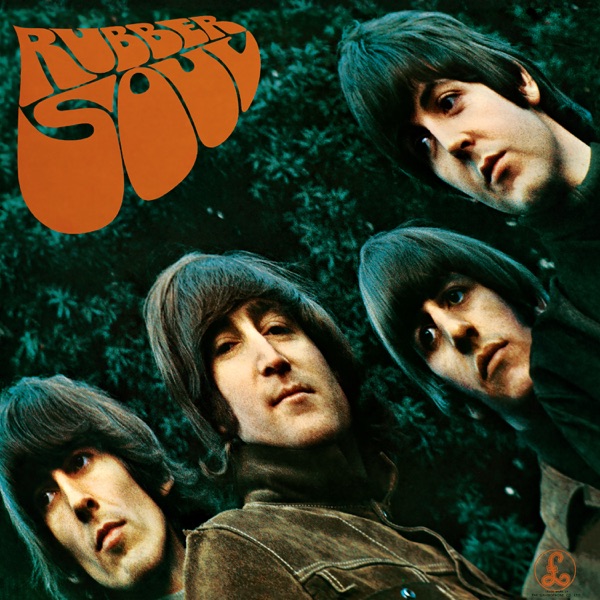
Rubber Soul
The Beatles
Released just before Help!, this album features similar melodic rock sensibilities with the band's evolving songwriting and instrumentation.

Aftermath
The Rolling Stones
A contemporary classic from 1966 that shares Help!'s energetic rock sound with clever arrangements and strong songwriting.
Own this record? Track it in your collection.