#35 of 500
· Rolling Stone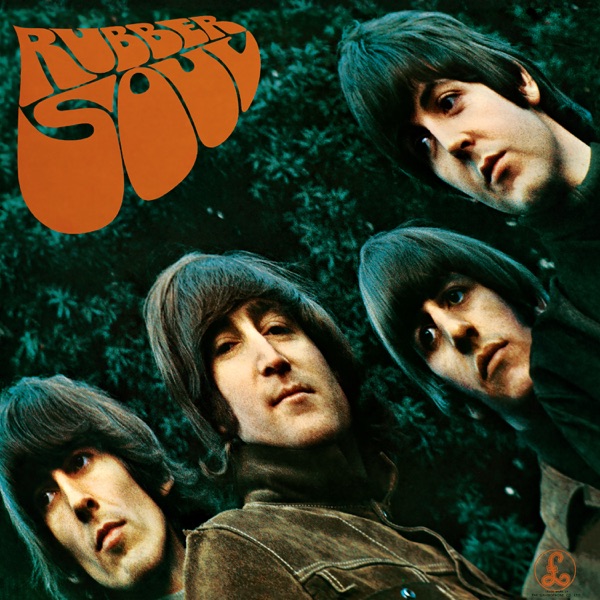
“The album where The Beatles grew up. The folk-rock influence, the introspective lyrics, the sitar on 'Norwegian Wood' — this is the bridge between pop moptops and studio visionaries. Brian Wilson heard it and made Pet Sounds. George Harrison heard the sitar and changed Western music's relationship with the East.”
The Beatles, formed in Liverpool in 1960, revolutionized popular music and became the most influential band of the 20th century. The core lineup of John Lennon, Paul McCartney, George Harrison, and Ringo Starr released thirteen studio albums between 1963 and 1970, each marking significant artistic evolution. From their early pop sensibilities on 'Please Please Me' and 'A Hard Day's Night,' they progressed through the sophisticated pop of 'Rubber Soul' and 'Revolver,' to the landmark concept album 'Sgt. Pepper's Lonely Hearts Club Band' (1967), and finally the experimental work of 'The White Album' and 'Abbey Road' (1969). Their final album, 'Let It Be' (1970), was released after their breakup, documenting the band's creative dissolution.
Style
The Beatles' sound evolved from energetic British Invasion rock and roll to pioneering psychedelic rock, avant-garde experimentation, and sophisticated pop songwriting. Their work incorporated diverse influences including rock and roll, R&B, folk, Indian classical music, and electronic experimentation.
Significance
The Beatles are arguably the most collectible artists in vinyl history, with original pressings and first editions commanding significant value among collectors. Their albums represent essential recordings that defined modern record production techniques and remain benchmark examples of album-oriented artistry and sonic innovation.
Rubber Soul, recorded in autumn 1965, marked a creative turning point for The Beatles. The band moved away from their simple love-song formula toward more sophisticated songwriting and introspective lyrics. John Lennon and Paul McCartney dominated the songwriting, with contributions from George Harrison, who penned two tracks. The sessions took place at Abbey Road Studios, and the album introduced innovative studio techniques including the use of a sitar on "Norwegian Wood," played by Harrison, which helped introduce Indian classical instruments to Western rock audiences. The band was no longer a touring outfit—they focused entirely on studio craftsmanship. Producer George Martin oversaw the sessions, and the overall sound reflected the influence of folk music and earlier soul records, resulting in a more mature, lyrically complex body of work than their previous efforts.
Historical Context
Released in December 1965, Rubber Soul arrived during a period of significant cultural shift. The Beatles were already superstars, but this album demonstrated their artistic ambitions extended beyond manufactured pop. It came amid the British Invasion's peak and influenced the entire rock landscape toward greater sophistication. The album was immediately celebrated by critics and helped establish rock music as a serious artistic medium. It reached number one in the UK and US, where it was released in a different track listing than the British version. Contemporary musicians and critics recognized the album as a watershed moment, proving rock bands could evolve artistically without losing commercial appeal.
Pressing Notes
The original 1965 British pressing on Parlophone featured the classic black label with gold lettering and remains highly collectible. The American release on Capitol Records used a different track selection and cover design. Later pressings varied significantly in quality; 1980s reissues are generally considered inferior to original pressings. Mono pressings exist for both UK and US versions and are prized by collectors for their warmth and distinct mix. In 2015, the album was reissued as part of The Beatles remaster series on both CD and 180-gram vinyl, providing a high-quality modern alternative. Collectors should note that original 1965 copies command premium prices, with condition heavily affecting value.

The Kinks Are the Village Green Preservation Society
The Kinks
Features the same introspective songwriting and British rock sensibility with memorable melodies and clever arrangements that define Rubber Soul's appeal.

Aftermath
The Rolling Stones
Captures the raw, blues-influenced rock guitar work and sophisticated studio production that represents the mid-60s British Invasion sound alongside Beatles' contemporaries.
Own this record? Track it in your collection.