#330 of 500
· Rolling Stone
“The Rolling Stones at #330 with Aftermath (1966). Past 300, every pick is an argument worth having. This is rock that doesn't just hold up — it still sounds essential. The original pressing belongs in any serious collection.”
The Rolling Stones, formed in London in 1962, became one of the most influential and enduring rock bands in history. The classic lineup of Mick Jagger, Keith Richards, Charlie Watts, and Bill Wyman established themselves as the primary rival to The Beatles throughout the 1960s. Their early albums drew from American blues and R&B, while their mid-period work—including *Sticky Fingers* (1971) and *Exile on Main St.* (1972)—showcased a more sophisticated songwriting and production approach. The band continued recording and touring through subsequent decades, with notable albums like *Some Girls* (1978) and *Steel Wheels* (1989). Their influence on rock music, blues interpretation, and live performance remains unparalleled, spanning over six decades of continuous creative output.
Style
The Rolling Stones pioneered a blues-based rock sound characterized by Keith Richards' distinctive guitar work, swaggering vocals from Mick Jagger, and a driving rhythm section. Their style evolved from pure blues covers to innovative rock compositions blending blues, country, and funk influences.
Significance
For vinyl collectors, The Rolling Stones discography represents essential rock music history, with their 1970s albums widely considered masterpieces of analog recording. Original pressings of *Sticky Fingers* and *Exile on Main St.* are particularly prized for their sonic quality and iconic cover art.
Aftermath, released in June 1966, marked a significant shift for The Rolling Stones as their first album composed entirely of original material written by Jagger and Richards. Recording took place at RCA Studios in Los Angeles and Chess Records in Chicago between December 1965 and March 1966, with producer Andrew Loog Oldham overseeing sessions. The album showcased the band's evolving songwriting prowess, featuring Keith Richards' increasingly sophisticated guitar work and the creative partnership between Jagger and Richards at its peak. Notable tracks like "Paint It Black" (recorded earlier but included on the UK version) and "Under the Boardwalk" demonstrated their ability to craft both experimental and accessible rock songs. The sessions were energized by the band's confidence following their recent successes and exposure to contemporary American blues and soul music.
Historical Context
Aftermath arrived during the height of the British Invasion's second wave, when bands like The Beatles were pushing studio experimentation and original songwriting. The mid-1960s rock scene was rapidly evolving, with psychedelia and studio innovation becoming increasingly important. The album was exceptionally well-received by critics and audiences, reaching number one in the UK and establishing Jagger-Richards as premier songwriters in rock music. It helped position The Stones as more than a covers band and demonstrated they could compete with The Beatles in terms of original material. The album's success solidified the band's dominance throughout the remainder of the decade.
Pressing Notes
The original UK vinyl release came in a gatefold sleeve with artwork featuring the band members. Early pressings on Decca Records are highly collectible, particularly mono versions. The US version, released on London Records, features different track listings and sequencing, which is typical of Atlantic/London's approach to Stones releases during this era. Japanese pressings and reissues are known for superior sound quality and are sought after by audiophile collectors. Modern reissues and remasters are widely available, but original 1966 pressings in good condition command premium prices. Collectors should note pressing plant information and catalog numbers when sourcing original copies.

Sticky Fingers
The Rolling Stones
A direct continuation of the blues-rock sound perfected on Aftermath, featuring raw guitar work and iconic tracks like 'Brown Sugar' and 'Can't You Hear Me Knocking.'
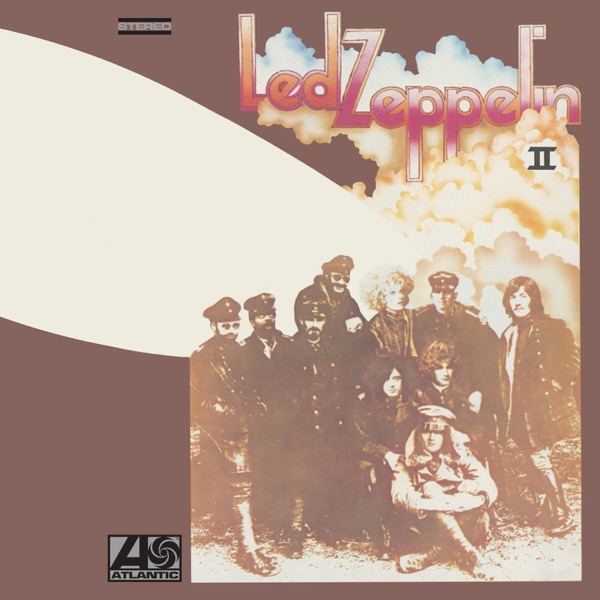
Led Zeppelin II
Led Zeppelin
Shares Aftermath's heavy blues influence and guitar-driven arrangements with the same era's raw, distorted power and swagger.

Something Else by The Kinks
The Kinks
Contemporary British rock with similar chord-based songwriting, complex arrangements, and a blues-rock foundation that appeals to Stones collectors.

Disraeli Gears
Cream
Captures the same late-60s British blues-rock energy as Aftermath with psychedelic elements and Clapton's blues-influenced guitar work.
Own this record? Track it in your collection.