#265 of 500
· Rolling Stone
“This is the part of the list where the real crate-digging starts. Pavement's Wowee Zowee (1995) is rock that transcends its genre tag. The original pressing is the one to find — the kind of record that stops you mid-flip at the store.”
Pavement emerged from Stockton, California in 1989 as one of the defining bands of 1990s indie rock. Led by the prolific songwriting of Stephen Malkmus, the band released their debut album 'Slanted and Enchanted' in 1992, which became a landmark of slacker rock and lo-fi aesthetics. Throughout the 1990s, Pavement released critically acclaimed albums including 'Crooked Rain, Crooked Rain' (1994), 'Wowee Zowee' (1995), and 'Brighten the Corners' (1997), establishing themselves as influential alternative rock innovators. The band disbanded in 1999 but reunited in 2010 for tours and occasional recordings. Malkmus's distinctive vocal delivery, combined with intricate guitar work and witty, abstract lyrics, became hallmarks of the band's sound and influenced countless indie rock acts that followed.
Style
Pavement pioneered a brand of indie rock characterized by angular guitars, lo-fi production aesthetics, and sardonic storytelling lyrics. Their sound blended post-punk influences with experimental production techniques, creating a deliberately rough yet sophisticated sonic landscape.
Significance
Pavement is essential to any serious indie rock vinyl collection, representing the artistic ambitions and DIY ethos of 1990s alternative music. Their records are highly sought-after by collectors for their artistic innovation and enduring influence on independent rock culture.
Wowee Zowee, Pavement's third studio album, was recorded across multiple sessions in 1994 at various locations including Pachyderm Studio in Minnesota and studios in Los Angeles. The album marked a significant shift toward experimentation and lo-fi aesthetics, with frontman Stephen Malkmus embracing a more deliberately chaotic production style. Producer Nigel Godrich, along with the band themselves, crafted an intentionally fractured sound that incorporated feedback, distortion, and unconventional song structures. The recording process was more scattered than previous efforts, reflecting the band's growing confidence to challenge their indie rock formula. Key collaborators included engineer John Leckie, and the album featured contributions from various musicians who helped layer the band's increasingly complex arrangements.
Historical Context
Released in September 1995, Wowee Zowee arrived during the peak of 1990s alternative rock, positioned between grunge's decline and the rise of post-punk revival. The album was met with mixed critical reception initially, with some praising its adventurous spirit while others found it unfocused. However, it has since been reassessed as a landmark of 1990s indie rock, capturing the era's experimental ethos. The record reflected broader cultural shifts toward irony and deconstruction in alternative music, standing apart from the more polished alternative rock dominating mainstream radio at the time.
Pressing Notes
The original 1995 Matador Records pressing on vinyl is highly sought by collectors. Early pressings featured a gatefold jacket and were released in standard black vinyl. The album has been reissued multiple times, including a 2003 remaster and various later editions on 180-gram vinyl. Collectors should note that early pressings tend to have better sound quality, though the album's intentionally murky production means variations between pressings are less dramatic than with other releases. Colored vinyl variants have been issued in recent years, but original black vinyl from the 1990s remains the preferred format for purists.

In the Aeroplane Over the Sea
Neutral Milk Hotel
Captures the raw, lo-fi sensibility and emotional abstraction that defines 90s indie rock with similarly unconventional production choices.
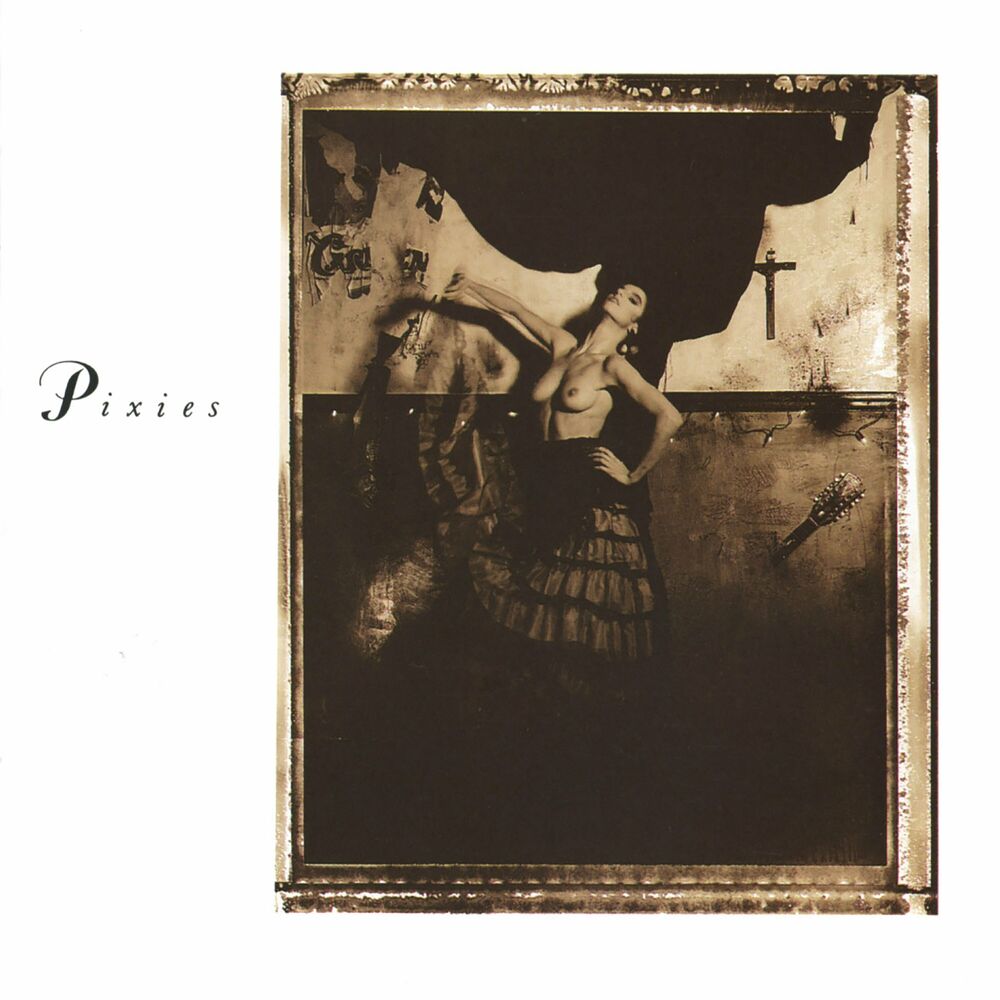
Surfer Rosa
Pixies
Pioneering alternative rock with dynamic arrangements and influential guitar work that directly inspired Pavement's approach to indie rock.
Own this record? Track it in your collection.