#211 of 500
· Rolling Stone“#211 feels right for this one. Unknown Pleasures is a product of the 1980s, and Joy Divison delivered something that still resonates. The original pressing rewards close listening on a good turntable.”
Joy Division was a British post-punk band formed in Manchester in 1976, emerging from the punk scene with a darker, more atmospheric sound. The band consisted of Ian Curtis (vocals), Bernard Sumner (guitar), Peter Hook (bass), and Stephen Morris (drums). Their debut album 'Unknown Pleasures' (1979) became a landmark post-punk record, characterized by Curtis's haunting vocals and the band's cold, minimalist production. Their second album 'Closer' (1980) further refined their sound with greater experimentation and emotional intensity. The band disbanded in May 1980 following Curtis's suicide, but their brief discography proved hugely influential on subsequent generations of musicians and established them as pioneers of post-punk and electronic music.
Style
Joy Division pioneered post-punk and electronic music with a distinctive sound featuring sparse, driving rhythms, angular guitars, and brooding synthesizers. Ian Curtis's distinctive baritone vocals delivered often cryptic and emotionally raw lyrics over soundscapes that blended punk energy with experimental production techniques.
Significance
Joy Division's influence on alternative and electronic music is immeasurable, making their original vinyl pressings highly sought by collectors. Their albums are considered essential post-punk documents, and their aesthetic—minimalist artwork, innovative production, and emotional depth—defined the template for post-punk vinyl collecting.
Unknown Pleasures, Joy Division's debut album, was recorded at Strawberry Studios in Stockport, England between May and June 1978 under the production of Martin Hannett. The band—Ian Curtis (vocals), Bernard Sumner (guitar), Peter Hook (bass), and Stephen Morris (drums)—were in their creative prime, channeling post-punk angst and experimental production techniques. Hannett's innovative approach involved unconventional recording methods, including placing drums in a stairwell to capture unique acoustics and using heavily processed vocal layers. Curtis's lyrics grappled with existential dread and personal turmoil, while the band crafted stark, repetitive rhythms that would define post-punk. The album was completed remarkably efficiently, capturing the raw intensity of Joy Division's live sound while introducing studio sophistication that set them apart from contemporary punk acts.
Historical Context
Released in March 1979, Unknown Pleasures emerged during post-punk's ascendancy, arriving alongside influential releases from Gang of Four and Wire. The album initially had limited commercial success in the UK, though it gained cult status rapidly among alternative audiences. Its stark black-and-white cover (featuring radio pulsar CP 1919's signal visualization) became iconic. By the early 1980s, following Curtis's tragic suicide in May 1980 and the band's reformation as New Order, Unknown Pleasures was reassessed as a landmark record. The album's influence on industrial, darkwave, and subsequent post-punk revival movements proved immense, establishing Joy Division as foundational architects of alternative music.
Pressing Notes
The original 1979 Factory Records release (FACT 10) featured the distinctive Peter Saville cover design. Early UK pressings are highly collectible, particularly first editions with original matrix numbers. The album has been reissued multiple times—notably in 1995 (remastered), 2007, and 2015 for the 35th anniversary. Collectors should note that early pressings vary in audio quality; original 1979 vinyl can sound thin by modern standards, though this is historically accurate to Hannett's production. The 2015 remaster by Paul Hicks and Greg Calbi presents significantly improved fidelity. European and American pressings differ slightly; Japanese pressings are prized by audiophiles. Mint condition original Factory pressings command premium prices in the collector market.

In the Flat Field
Bauhaus
Shares Joy Division's dark post-punk aesthetic with brooding atmospherics and Peter Murphy's distinctive vocals reminiscent of Ian Curtis.
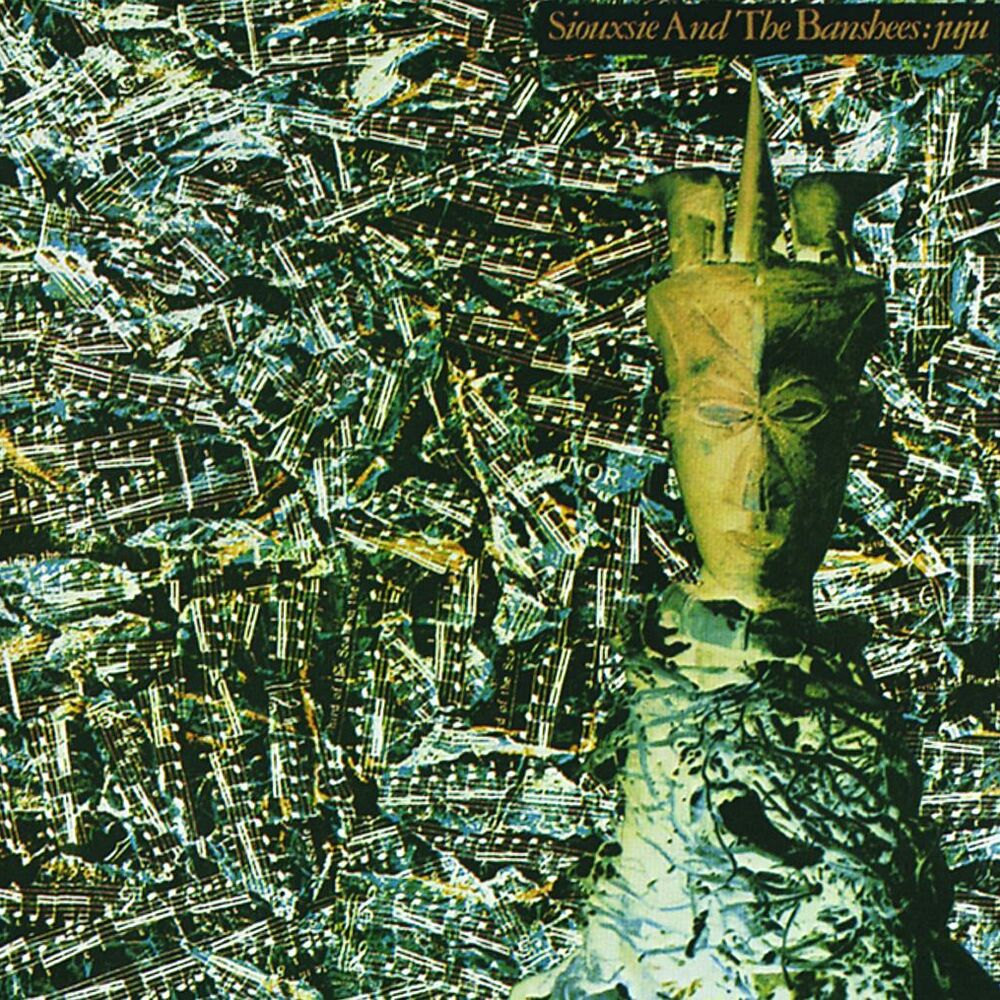
Juju
Siouxsie and the Banshees
Features the same post-punk guitar textures and gothic sensibility with Siouxsie's commanding presence paralleling Curtis's intense vocal delivery.
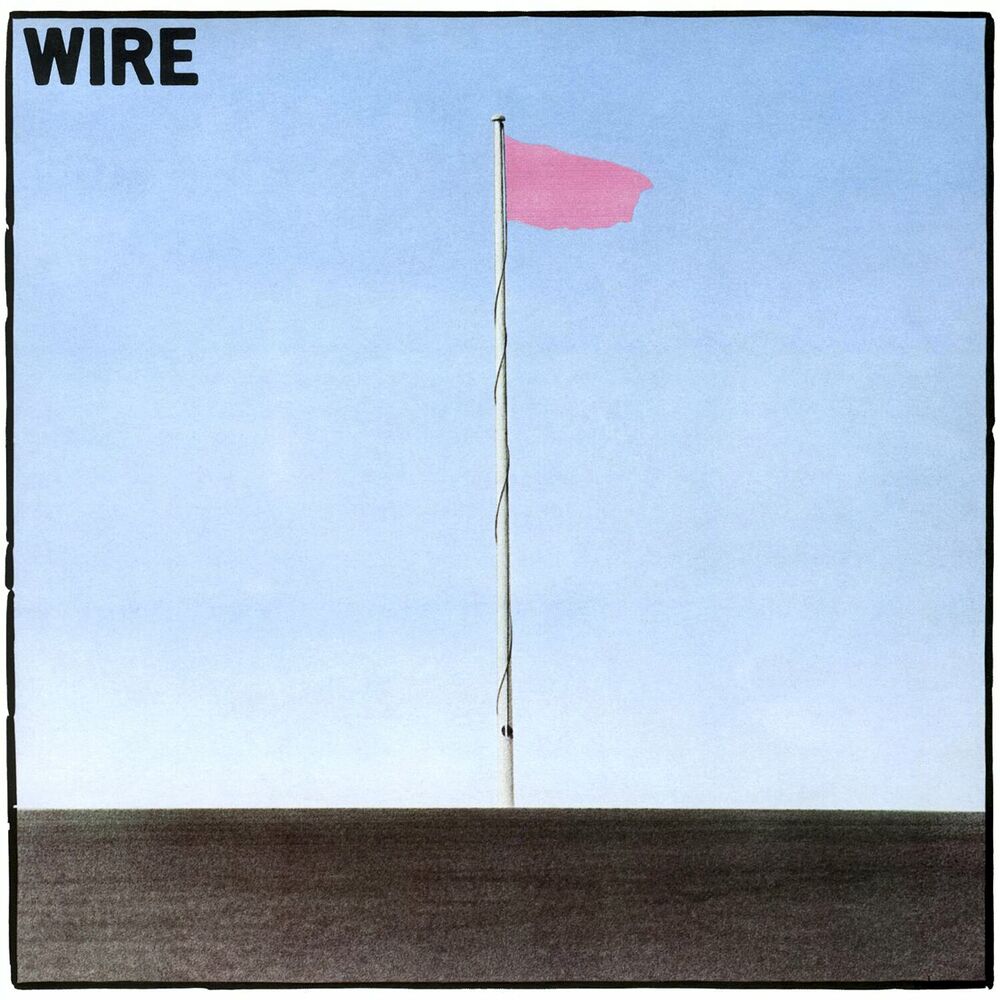
Pink Flag
Wire
An influential post-punk record with angular guitars and minimalist production that shares Unknown Pleasures' innovative approach to the genre's foundation.
Own this record? Track it in your collection.