#17 of 25
· Cratewise Editorial
“Goth's founding album. 'Bela Lugosi's Dead' (the 12-inch) is the genre's anthem, but this album is leaner and more aggressive than the stereotype suggests. Daniel Ash's guitar is all angles.”
Bauhaus was a British post-punk band formed in Northampton in 1978, emerging from the disbanded group Devo offshoot. The band consisted of Peter Murphy (vocals), Daniel Ash (guitar), Kevin Haskins (drums), and David J (bass). They became pioneers of the gothic rock movement, releasing four studio albums before their initial dissolution in 1983: "Bauhaus" (1979), "Mask" (1981), "The Sky's Gone Out" (1982), and "Burning from the Inside" (1983). Their signature track "Bela Lugosi's Dead" became an 18-minute post-punk masterpiece that defined their experimental approach. The band reunited multiple times from 1998 onward for tours and occasional new recordings, maintaining their influence on alternative and gothic music.
Style
Bauhaus pioneered gothic rock and post-punk with atmospheric, darkly poetic soundscapes characterized by Peter Murphy's distinctive baritone vocals, angular guitar work, and sparse yet hypnotic rhythms. Their sound blended experimental art-rock sensibilities with punk's raw energy.
Significance
Bauhaus remains essential to gothic and post-punk vinyl collectors as architects of the gothic rock genre. Their early albums are highly sought-after, particularly for their innovative production and the cult status of "Bela Lugosi's Dead," making them foundational recordings in alternative music collecting.
In the Flat Field was Bauhaus's debut album, recorded in 1980 at Axis Studios in London with producer Graeme Revell. The band—Peter Murphy, David J, Kevin Haskins, and Daniel Ash—had formed just months earlier in Northampton, channeling influences from glam rock, post-punk, and experimental electronic music into a distinctive gothic sound. The album's sparse production and haunting atmospherics reflected both budgetary constraints and the band's artistic vision. Key tracks like 'Bela Lugosi's Dead' (a 9-minute instrumental centerpiece) and 'Dark Entries' became instant classics. The recording process was collaborative but intense, with the band still finding their identity while working rapidly to capture their raw, theatrical energy.
Historical Context
Released in August 1980 on 4AD Records, In the Flat Field arrived during post-punk's evolution toward darker, more experimental territory. While punk's raw energy was fading, bands like Siouxsie and the Banshees and Joy Division had opened doors for darker aesthetics. Bauhaus's album was initially received as avant-garde and unmarketable by mainstream outlets, but quickly developed a cult following among alternative audiences. The band's theatrical presentation and Murphy's distinctive baritone vocals set them apart from their peers. By the early 1980s, the album had become foundational to the emerging gothic rock and deathrock movements, influencing countless bands and establishing 4AD as a leading independent label.
Pressing Notes
The original 1980 4AD pressing (catalog CAD 7) is highly sought after by collectors, particularly early UK editions with gatefold sleeves featuring the stark black-and-white photography. Early pressings can command premium prices. The album has been reissued multiple times, including 2006 and 2020 deluxe reissues with expanded artwork and remastering. Collectors should note that original first pressings may have slight surface noise typical of early 80s independent label production. Audiophile-quality reissues have improved dynamics significantly. The gatefold design is iconic to the album's presentation—ensure any used copy includes original artwork for proper provenance and collectibility.

Unknown Pleasures
Joy Division
Shares the same post-punk darkness and angular guitar work that defined early 80s gothic rock.
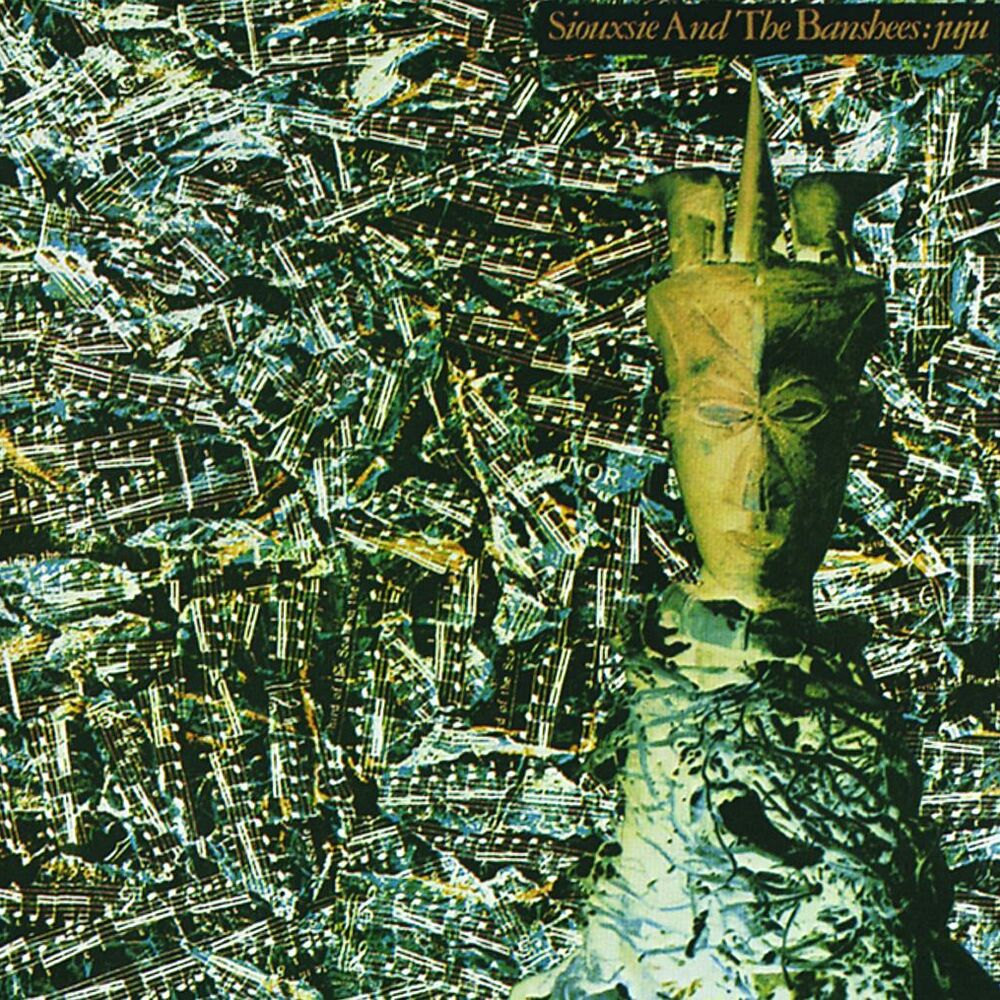
Juju
Siouxsie and the Banshees
Features the same atmospheric yet aggressive post-punk sound with haunting vocals and driving rhythms.
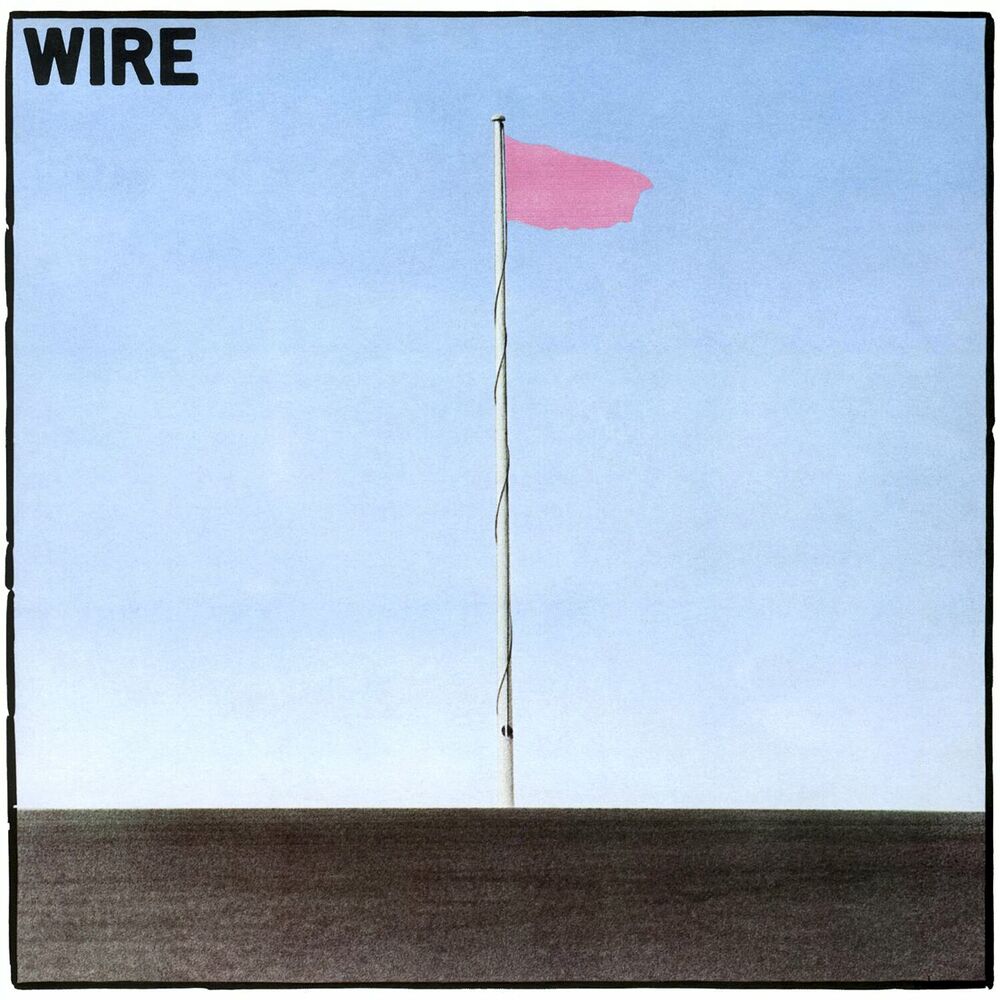
Pink Flag
Wire
Offers the same experimental punk approach with minimalist production and unconventional song structures.
Own this record? Track it in your collection.