#6 of 25
· Cratewise Editorial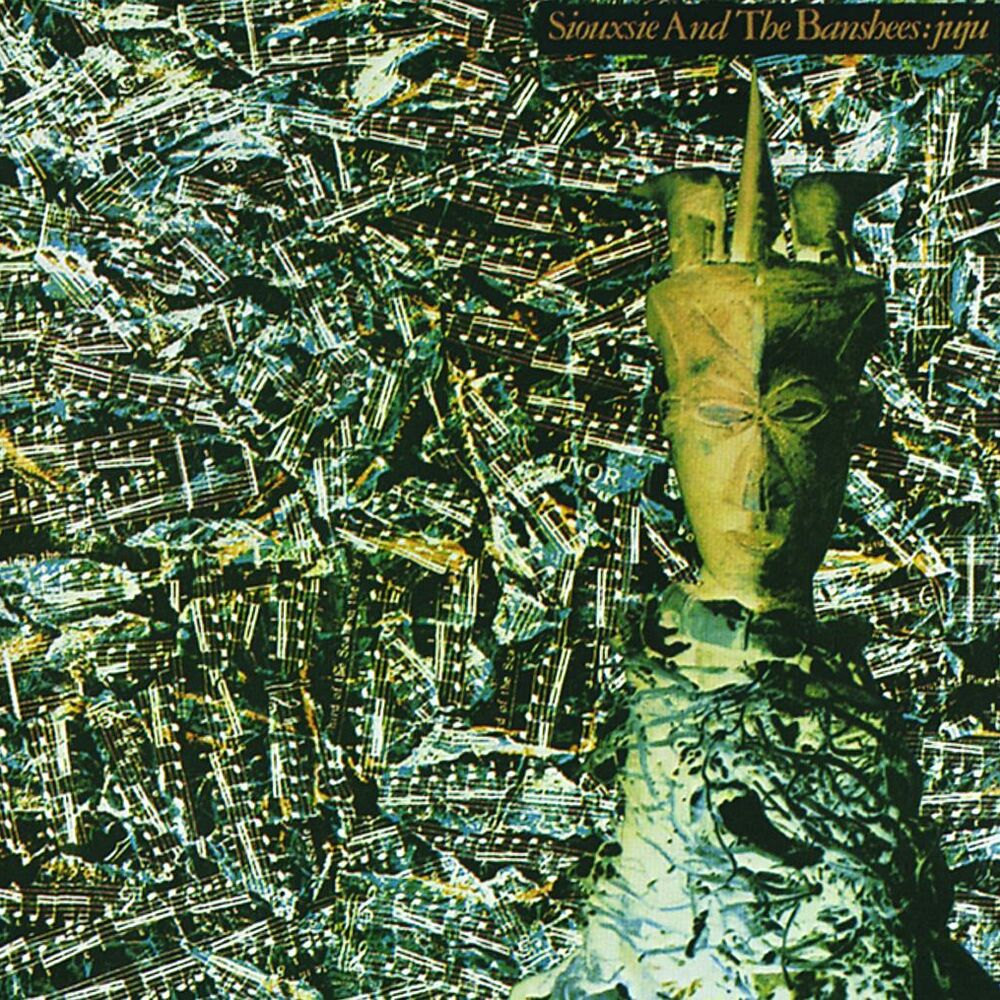
“Forget the goth caricature. John McGeoch's guitar on 'Spellbound' is one of the most inventive performances of the decade. Siouxsie's voice is a weapon. Fierce.”
Siouxsie and the Banshees emerged from the London punk scene in 1976, with Siouxsie Sioux (Susan Janet Ballion) as the commanding frontwoman alongside bassist Steve Severin. The band evolved from post-punk pioneers into gothic rock architects, releasing eleven studio albums between 1978 and 2002. Their early albums like 'Juju' (1981) and 'A Kiss in the Dreamhouse' (1982) established them as innovators in atmospheric, guitar-driven rock, while later work such as 'Tinderbox' (1986) showed increased pop accessibility. The Banshees disbanded in 2003 but reunited for performances in the 2000s and 2010s, cementing their legacy as one of post-punk's most influential acts.
Style
Siouxsie and the Banshees pioneered post-punk and gothic rock with Siouxsie's distinctive vocal style—ranging from melodic to avant-garde—layered over angular guitars, hypnotic basslines, and driving rhythms. Their sound evolved from raw, dissonant early work to more textured, atmospheric arrangements incorporating orchestral elements and studio experimentation.
Significance
The band profoundly shaped gothic rock and post-punk aesthetics, influencing countless artists across multiple genres. Their original vinyl releases are highly sought by collectors for their innovative production, striking album artwork, and sonic experimentation that defined an era.
Juju, released in 1981, marked Siouxsie and the Banshees' third studio album and represented a significant artistic maturation. Recorded at Startling Studios in Surrey, the album showcased the band tightening their post-punk sound with darker, more introspective material. Siouxsie Sioux's vocal delivery became more controlled and nuanced, moving away from the raw aggression of their earlier work. The band—Siouxsie, guitarist John McGeoch, bassist Steve Severin, and drummer Budgie—collaborated closely on arrangements that emphasized atmosphere and melodic complexity. McGeoch's innovative guitar work, featuring unconventional tunings and textures, became central to the album's distinctive sonic palette. Producer Nigel Gray brought production sophistication without diluting the band's avant-garde edge.
Historical Context
Juju arrived during the post-punk movement's creative peak, when bands were exploring darker and more experimental directions. Released in November 1981, it competed in a landscape populated by Joy Division, Gang of Four, and Depeche Mode. The album received strong critical acclaim for its cohesive vision and demonstrated that punk's raw energy could evolve into genuinely sophisticated artistry. It solidified Siouxsie and the Banshees as more than novelty punks, establishing them as serious architects of gothic and post-punk aesthetics. The album achieved modest commercial success in the UK and helped build their cult following that would explode internationally throughout the 1980s.
Pressing Notes
Original UK pressings on Polydor (POLD 5035) are highly sought by collectors, particularly early copies with the gatefold sleeve featuring the striking album artwork. The vinyl pressing quality is generally excellent, reflecting the production standards of the era. Reissues have appeared periodically; notably, a deluxe remaster was released in the 2010s with improved sound quality. Collectors should note that original UK pressings command higher prices than later reissues. The album has never been particularly difficult to find on vinyl, though mint condition originals are increasingly valuable. Early pressings may show minor surface noise typical of the period, but the recording itself is exceptionally well-preserved.

In the Flat Field
Bauhaus
Shares the dark, angular post-punk aesthetic with driving rhythms and dramatic vocal delivery that defines Juju's sonic identity.
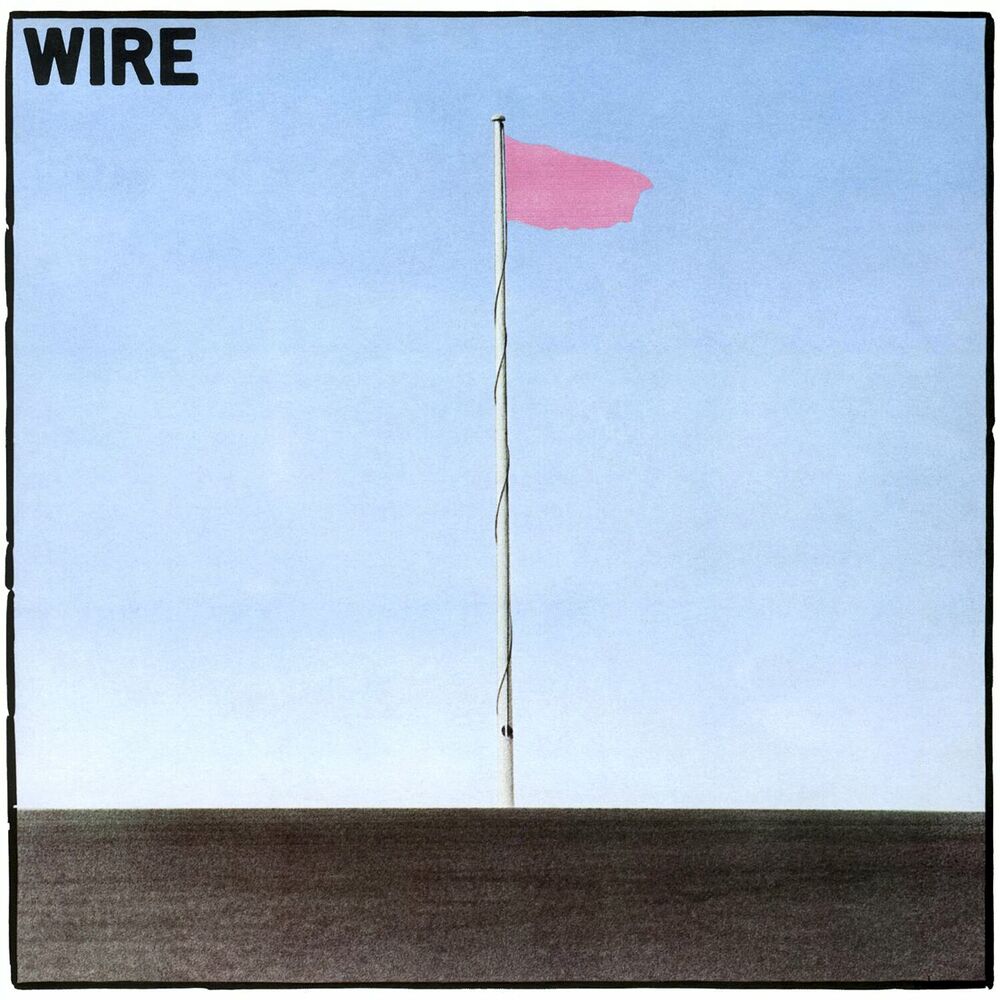
Pink Flag
Wire
Offers the same minimalist punk foundation transformed into experimental post-punk with sharp, angular compositions and raw intensity.

Unknown Pleasures
Joy Division
Shares Juju's post-punk foundation with brooding instrumentals, innovative production, and emotionally intense vocals delivered with controlled aggression.
Own this record? Track it in your collection.