#181 of 500
· Rolling Stone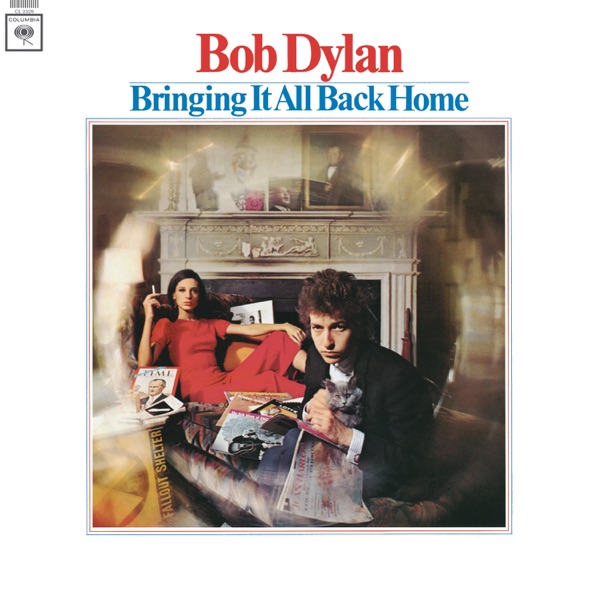
“Side A is electric. Side B is acoustic. The whole thing is a revolution. 'Subterranean Homesick Blues' is the first music video and the first rap record, depending on who you ask.”
Bob Dylan emerged from the folk music scene in early 1960s New York, quickly becoming the voice of a generation with his poetic, socially conscious songwriting. His controversial decision to "go electric" at the 1965 Newport Folk Festival marked a watershed moment in rock history, leading to landmark albums like "Highway 61 Revisited" and "Blonde on Blonde." Throughout his career spanning six decades, Dylan has continuously reinvented himself across country, gospel, blues, and experimental rock, earning the Nobel Prize in Literature in 2016. His influence on popular music remains immeasurable, with countless artists citing him as foundational to their artistic development.
Style
Dylan pioneered the singer-songwriter tradition, blending folk music with rock, blues, and country influences. His distinctive nasal vocal delivery, intricate guitar work, and densely layered, often cryptic lyrics became his signature sound across multiple genres.
Significance
Dylan is a cornerstone artist for vinyl collectors, with his early acoustic albums and electric-era works representing some of the most important recordings in rock history. His prolific output and constant artistic experimentation make his discography essential for understanding modern music's evolution, while original pressings of albums like "The Freewheelin' Bob Dylan" and "Blood on the Tracks" remain highly sought-after collector's items.
Bringing It All Back Home, released in March 1965, marked Dylan's dramatic pivot to electric instrumentation, a decision that would define his artistic evolution and spark considerable controversy. Recorded over several sessions at Columbia Studios in New York, the album featured Dylan working with session musicians including guitarist Paul Griffin and bassist Bill Lee. The first side showcased the electric sound with hits like "Subterranean Homesick Blues" and "From a Buick 6," while the second side returned to acoustic arrangements, allowing Dylan to explore both directions simultaneously. Producer Tom Wilson oversaw the sessions, capturing Dylan's increasingly confident vocal delivery and experimental spirit. The creative process reflected Dylan's immersion in rock and roll and his desire to break free from the folk-music purist expectations that had defined his early career.
Historical Context
In early 1965, folk music was still the dominant progressive genre, and Dylan's electric turn was perceived by many as a betrayal of folk tradition. The album arrived amid the height of the British Invasion and the emerging counterculture, contexts in which Dylan's move felt both inevitable and controversial. The album's commercial success—it reached number 6 on the Billboard charts—helped validate rock music's integration of folk sensibilities and literary lyrics. Critics were divided, but the album's influence proved profound, paving the way for rock artists to embrace more sophisticated songwriting and the creative freedom Dylan demonstrated.
Pressing Notes
Original 1965 Columbia Records pressings (CS 9128 for stereo, CL 2328 for mono) are highly sought by collectors, particularly early pressings with the 360-sound label variation. The stereo mix differs notably from the mono version, with more pronounced separation and instrumental detail. Reissues and compilations have been numerous over decades, including the 1997 Hybrid SACD release and various Japanese pressings known for superior mastering. Collectors should note that early pressings had different gatefold designs; first editions feature the iconic cover photograph by Daniel Kramer. The album's pressing quality varies significantly, with 1965-1966 domestic pressings generally superior to some later reissues.

Music from Big Pink
The Band
Features the same folk-rock fusion with electric instrumentation and introspective songwriting that defined Dylan's mid-60s sound.
Rust Never Sleeps
Neil Young
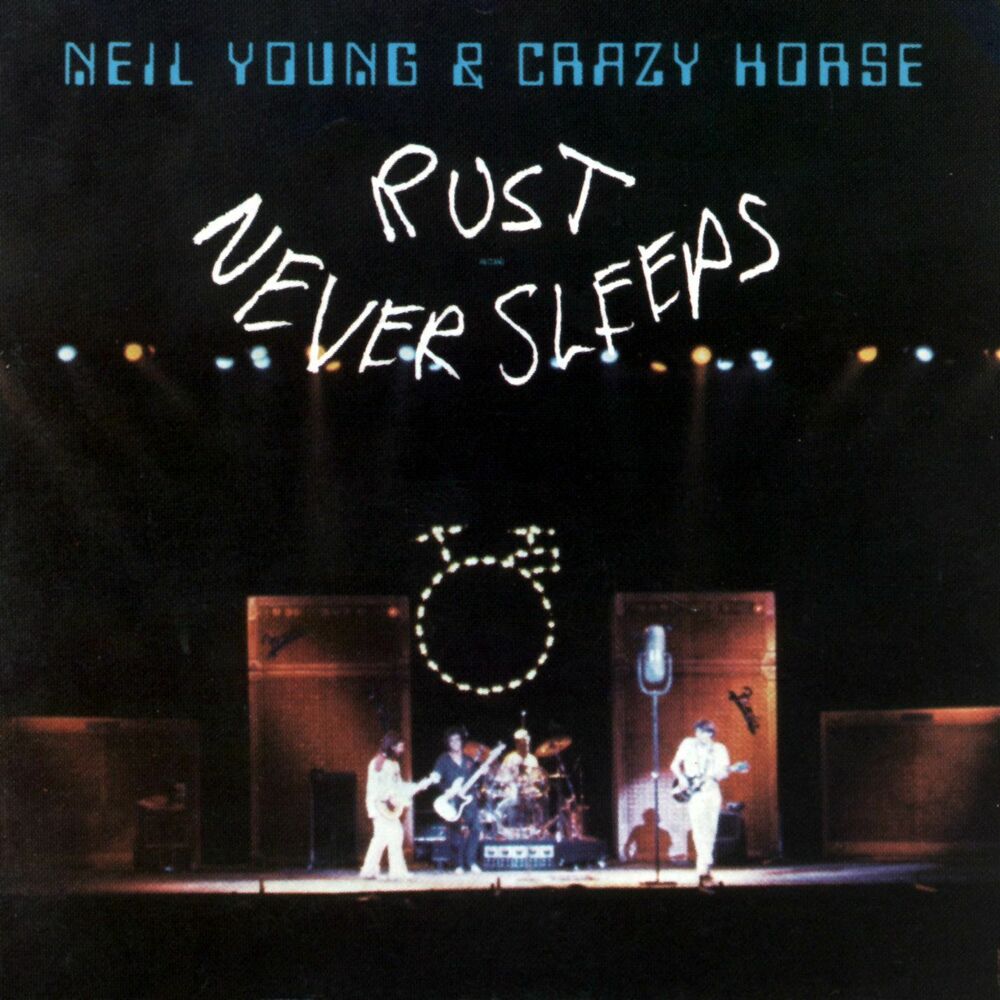
Combines acoustic and electric arrangements with poetic lyrics and a raw, honest approach similar to Dylan's artistic vision.

Mr. Tambourine Man
The Byrds
A direct contemporary response to Dylan's electric turn, featuring jangly electric guitars applied to Dylan compositions and similar folk-rock originals.

Astral Weeks
Van Morrison
Shares Dylan's literary lyricism and jazzy, unconventional arrangement of folk-influenced material with experimental instrumentation.

Songs of Leonard Cohen
Leonard Cohen
Offers similarly introspective, poetically dense songwriting with folk instrumentation and explores similar themes of love, loss, and existential questioning.
Own this record? Track it in your collection.