#100 of 500
· Rolling Stone
“Robbie Robertson, Levon Helm, and three Canadians made the most American-sounding album of 1968. 'The Weight' is one of the great American songs. Capitol pressing sounds like it was recorded in the basement — because it was.”
The Band was a Canadian-American rock group formed in 1967, consisting of Robbie Robertson (guitar), Garth Hudson (keyboards), Richard Manuel (vocals, piano), Rick Danko (vocals, bass), and Levon Helm (drums, vocals). They gained prominence as Bob Dylan's backing band before establishing themselves as a major force in roots rock with their 1968 debut album 'Music from Big Pink.' The group's 1969 follow-up, 'The Band,' became a classic of American rock, featuring iconic songs like 'The Weight' and 'Up on Cripple Creek.' Known for their sophisticated arrangements and integration of country, blues, and soul influences, they released several acclaimed albums through the 1970s including 'Stage Fright' (1970) and 'Northern Lights—Southern Cross' (1975). The Band disbanded in 1976 but reunited periodically, with their farewell concert documented in Martin Scorsese's film 'The Last Waltz' (1978).
Style
The Band pioneered a distinctive roots rock sound that blended country, blues, folk, and soul into tightly arranged, harmony-rich compositions. Their music emphasized authentic Americana aesthetics with sophisticated production and multi-layered instrumentation centered on Hudson's organ work.
Significance
The Band's albums are cornerstone records for vinyl collectors interested in 1970s rock and roots music, establishing a template for Americana rock that influenced countless artists. Their emphasis on musicianship and arrangement over technical pyrotechnics makes their original vinyl pressings highly valued for their warm, organic sound quality.
Music from Big Pink emerged from The Band's retreat to a large pink house in West Saugerties, New York, where they recorded their debut album in 1967-1968 with producer John Simon. The house, which gave the album its name, became a creative sanctuary where Robbie Robertson, Garth Hudson, Richard Manuel, Rick Danko, and Levon Helm developed their signature roots-rock sound, blending country, blues, folk, and gospel influences. The album featured material Robertson had written with Bob Dylan during their collaborative sessions, including "Tears of Trace" and "The Weight," alongside original compositions that showcased each band member's vocal talents and instrumental prowess. The recording process was relatively informal and organic, with the group prioritizing raw emotion and ensemble interplay over technical perfection, resulting in a warm, lived-in quality that distinguished the album from much of the psychedelic rock of the era.
Historical Context
Released in July 1968, Music from Big Pink arrived as a counterpoint to the psychedelic and experimental rock dominating the charts. The album's rootsy, Americana-focused approach resonated deeply with critics and musicians seeking a return to rock's foundational genres, influencing the broader Americana and roots-rock movements of the 1970s. Though it peaked at number 30 on the Billboard 200, its critical acclaim and influence on contemporary artists like The Rolling Stones and George Harrison far exceeded its commercial performance. The album helped establish The Band as key figures in revitalizing traditional American music within rock contexts, while its connection to Bob Dylan through both personnel and songwriting added to its mystique.
Pressing Notes
The original 1968 Capitol pressing came in a gatefold jacket featuring the famous pink house photograph. Early stereo copies are highly sought by collectors; mono pressings are rarer and typically command premium prices. The album was reissued numerous times, including 1980s reissues and digital remasters. A Mobile Fidelity Sound Lab audiophile edition released in 1995 features superior sound quality from the master tapes. Original 1960s pressings should have correct label variations and pristine vinyl conditions; later reissues can be identified by different label designs and mastering credits on the labels. Collectors should note that some pressings exhibit surface noise typical of Capitol's era, but this is acceptable for originals and part of the album's character.

Workingman's Dead
The Grateful Dead
Shares the same rootsy, country-tinged rock aesthetic with intricate ensemble arrangements and acoustic instrumentation.
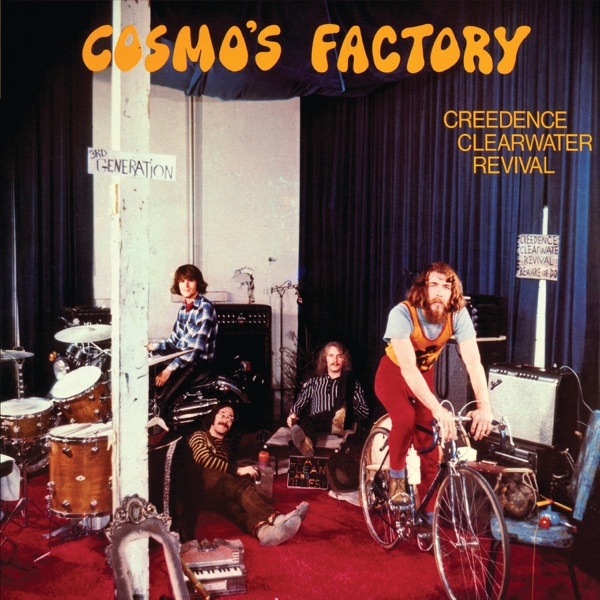
Cosmo's Factory
Creedence Clearwater Revival
Features swamp rock and blues-influenced material with the same raw, organic production style and strong songwriting sensibility.
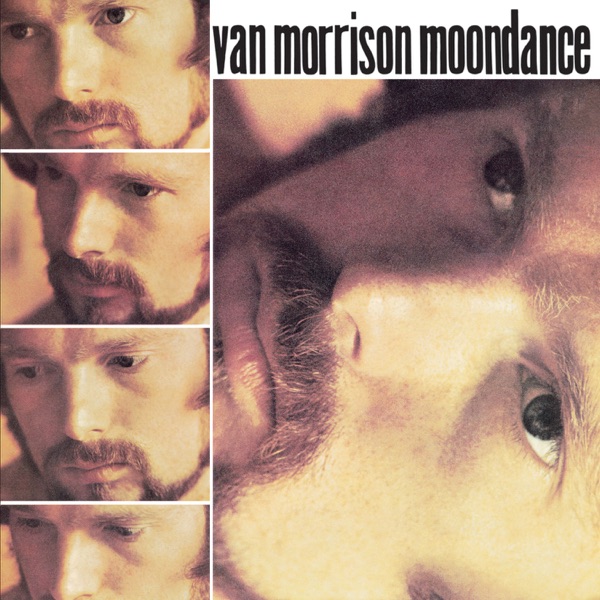
Moondance
Van Morrison
Combines soul, rock, and folk influences with rich instrumentation and lyricism, appealing to fans of The Band's sophisticated roots-rock approach.
Own this record? Track it in your collection.