#180 of 500
· Rolling Stone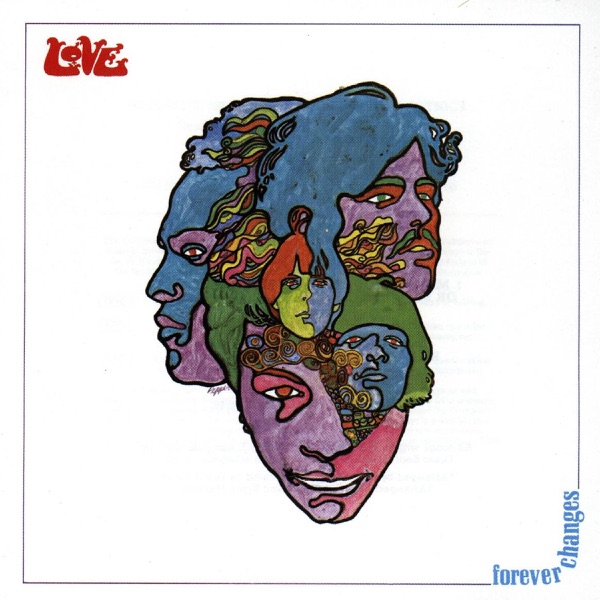
“There's a case that Forever Changes deserves to be higher, but #180 is solid company. Love's work here (1967) is the kind of thing that makes you play both sides twice. The original pressing is the way in.”
Love was an influential American rock band formed in Los Angeles in 1965, led by the enigmatic singer-songwriter Arthur Lee. The band became central figures in the LA psychedelic rock scene, blending rock, folk, and psychedelic elements with poetic, often surreal lyrics. Their debut album 'Love' (1966) showcased their innovative sound, while their masterpiece 'Forever Changes' (1967) is regarded as one of the greatest psychedelic albums ever recorded, featuring orchestral arrangements and introspective songwriting. The band disbanded in 1968 but reunited sporadically over the decades. Arthur Lee remained the creative force throughout the band's history until his death in 2006.
Style
Love pioneered a sophisticated blend of psychedelic rock, baroque pop, and folk-rock, characterized by lush orchestral arrangements, intricate guitar work, and Lee's distinctive vocal delivery ranging from tender to intense.
Significance
Love is essential for serious psychedelic and classic rock vinyl collectors, particularly 'Forever Changes,' which consistently ranks among the greatest albums of all time and represents a peak of artistic ambition in 1960s rock music.
Forever Changes, released in 1968, was Love's third and final studio album before their initial breakup. Led by Arthur Lee, the band recorded the album during a tumultuous period marked by creative tension and external pressures. The album was recorded at various Los Angeles studios and featured an ambitious orchestral arrangement, with conductor David Axelrod playing a crucial role in shaping the lush string and horn sections that define the sound. Lee worked closely with Bryan MacLean, the band's guitarist and co-songwriter, to craft introspective and poignant songs. The recording sessions were challenging, reflecting the band's internal conflicts and the broader upheaval of the late 1960s, yet they produced some of the most sophisticated and emotionally resonant work of the era.
Historical Context
Forever Changes arrived during a pivotal moment in 1968, when psychedelic rock was evolving into more complex and introspective forms. The album's blend of orchestral pop, rock, and baroque influences positioned it as an art-rock precursor, influencing the progressive rock movement that would flourish in the 1970s. Initially, the album received modest commercial attention and mixed reviews, overshadowed by releases from The Beatles, The Rolling Stones, and other major acts. However, it gradually achieved cult status among serious music listeners and collectors, eventually becoming recognized as one of the most important and innovative rock albums of the 1960s.
Pressing Notes
The original 1968 Elektra pressing (EKL-74013 for mono, EKS-74013 for stereo) is highly sought by collectors; stereo copies are generally preferred for their fuller orchestral sound. Early pressings feature the iconic butterfly and flower photograph by Guy Webster. The album has been reissued multiple times, including audiophile-quality versions and expanded reissues with bonus material. Collectors should note that later pressings vary in mastering quality; original 1960s pressings and quality reissues from labels like Sundazed tend to capture the orchestral arrangements most faithfully. The album's complex arrangements benefit significantly from good pressing quality and playback equipment.

The Doors
The Doors
Shares the same late-60s Los Angeles psychedelic rock aesthetic with lush orchestral arrangements and experimental song structures.

Odessey and Oracle
The Zombies
Contemporary psychedelic pop-rock with sophisticated production, orchestral strings, and the same introspective melodic sensibility as Forever Changes.
Own this record? Track it in your collection.