#81 of 100
· Cratewise Editorial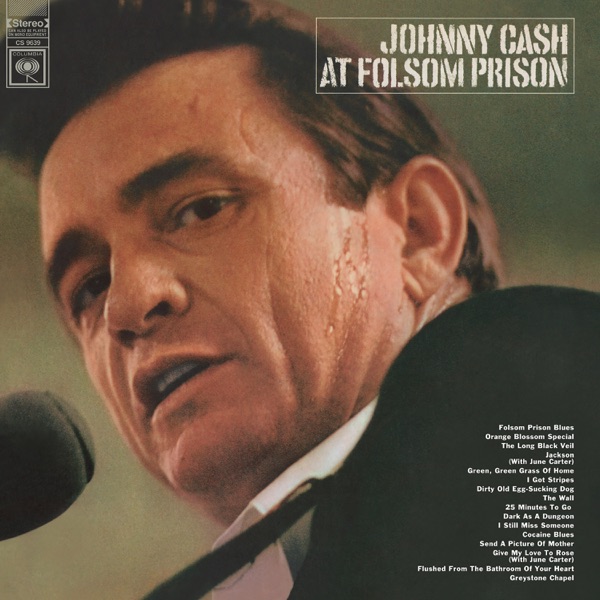
At Folsom Prison
Johnny Cash
Year
1968
Genre
Country/AmericanaLabel
Columbia
Format
Vinyl LP
“At Folsom Prison lands here because it's the moment country music stopped apologizing for its rough edges. Cash's raw vocal delivery on "Folsom Prison Blues" and the live crowd energy make this pressing essential—the authenticity can't be faked in the studio. This album proved that prison records and outcasts could reach mainstream ears without compromise, influencing everything from outlaw country to punk's DIY ethos. It's essential wax, but I rank it slightly lower than his studio masterpieces because the live format, while powerful, doesn't quite match the sonic precision of his best work.”
Johnny Cash (1932-2003) was an American singer-songwriter who became one of the most influential figures in country music history. Rising to prominence in the 1950s with Sun Records, Cash pioneered a distinctive sound blending country, rock, and folk influences. His deep baritone voice and rebellious image made him an icon, earning him the nickname "The Man in Black." Cash achieved remarkable commercial success with hits like "I Walk the Line" (1956) and "Folsom Prison Blues" (1955). Throughout his career, he released numerous critically acclaimed albums and collaborated with legends like June Carter, whom he married in 1968. His later-career renaissance, sparked by producer Rick Rubin's American Recordings series (1994-2003), introduced him to new generations and demonstrated his enduring artistry.
Style
Johnny Cash's sound uniquely blended country, folk, blues, and rock influences, characterized by his unmistakable deep baritone voice and straightforward lyrical storytelling. His music combined traditional country instrumentation with accessible melodies that transcended genre boundaries.
Significance
Cash's albums are essential to vinyl collectors, particularly his 1950s Sun Records releases and his American Recordings series, which are considered masterpieces of later-life artistry. His cultural impact extended beyond music into social commentary, making him a cornerstone of American roots music collecting.
Johnny Cash recorded "At Folsom Prison" live at California's Folsom State Prison on January 13, 1968, capturing a raw, energetic performance before an audience of 2,000 inmates. Cash had long felt a connection to prisoners and those on society's margins, and this concert represented a genuine artistic statement rather than a publicity stunt. Producer Sam Phillips oversaw the recording, and Cash performed with his band and wife June Carter, delivering definitive versions of classics like "Folsom Prison Blues" and "Green, Green Grass of Home." The album was engineered by John Fetterman and featured minimal overdubbing, preserving the authentic prison atmosphere—complete with crowd noise and energy—that made the recording so compelling and immediate.
Historical Context
Released in May 1968, "At Folsom Prison" arrived during a period of significant social upheaval and became a commercial and critical triumph. The album reached #1 on the country charts and crossed over to mainstream audiences, eventually becoming one of Cash's best-selling records. It revitalized Cash's career, which had suffered from declining record sales in the mid-1960s, and earned him respect from both country and rock audiences. The album's success led to a follow-up concert at San Quentin in 1969 and established Cash as a voice for the voiceless, reinforcing his outlaw country image at a time when country music was gaining broader cultural acceptance.
Pressing Notes
The original 1968 Columbia Records pressing is highly sought by collectors. Early stereo copies are preferred over mono versions. Notable reissues include the 1999 Mobile Fidelity Sound Lab audiophile pressing, which offered improved sound quality, and various 180-gram vinyl reissues from the 2000s onward. Cash's Columbia catalog has seen multiple reissues across different labels and formats. Collectors should note that original gatefold pressings from 1968 can vary in cover printing quality. The album's iconic cover photograph by Don Hunstein is consistent across most pressings, though some later reissues feature slightly different artwork. Original pressings in good condition command premium prices.

Honky Tonk Heroes
Waylon Jennings
Features the same outlaw country ethos and rebellious spirit with raw, authentic instrumentation that appeals to fans of Cash's prison recording.
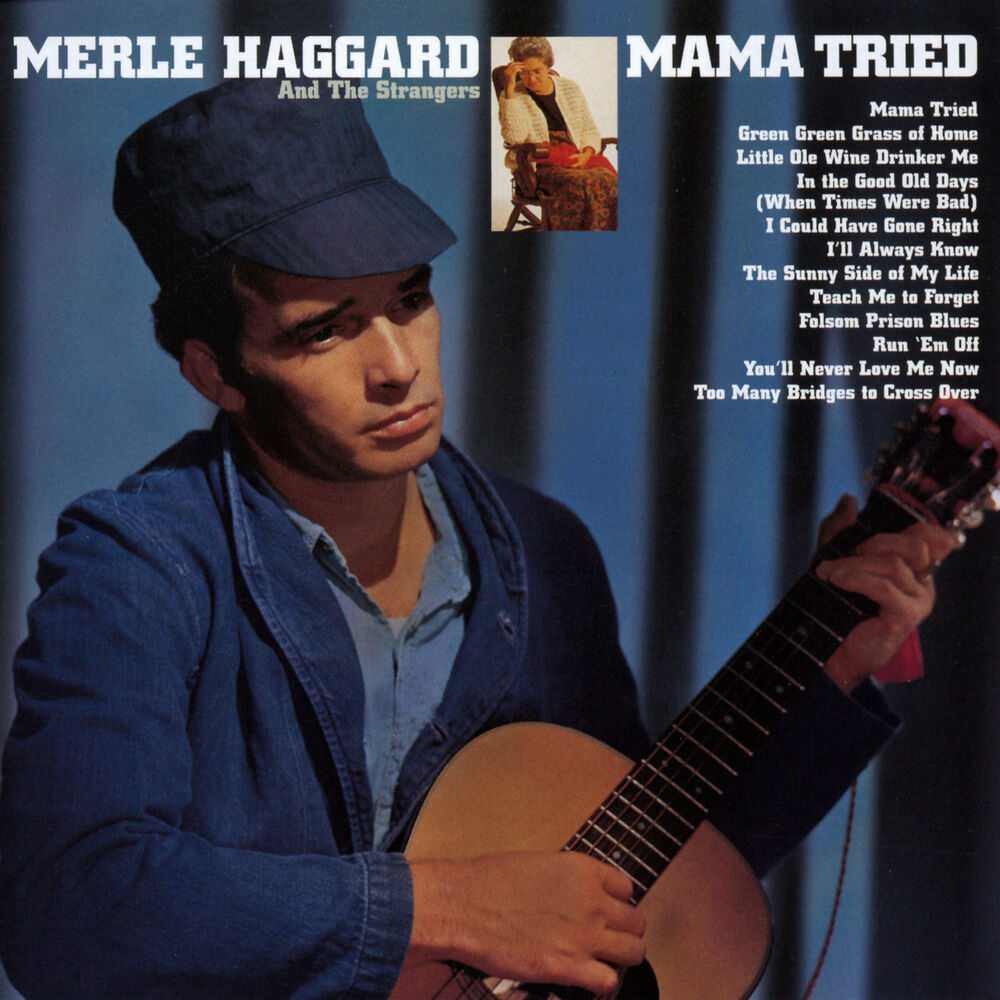
Mama Tried
Merle Haggard
Another essential outlaw country classic with similar themes of hardship and redemption, plus Haggard's distinctive baritone and storytelling prowess.

Red Headed Stranger
Willie Nelson
A concept album with sparse arrangements and narrative-driven country-Americana that matches the intimate, personal tone of Cash's live prison performance.
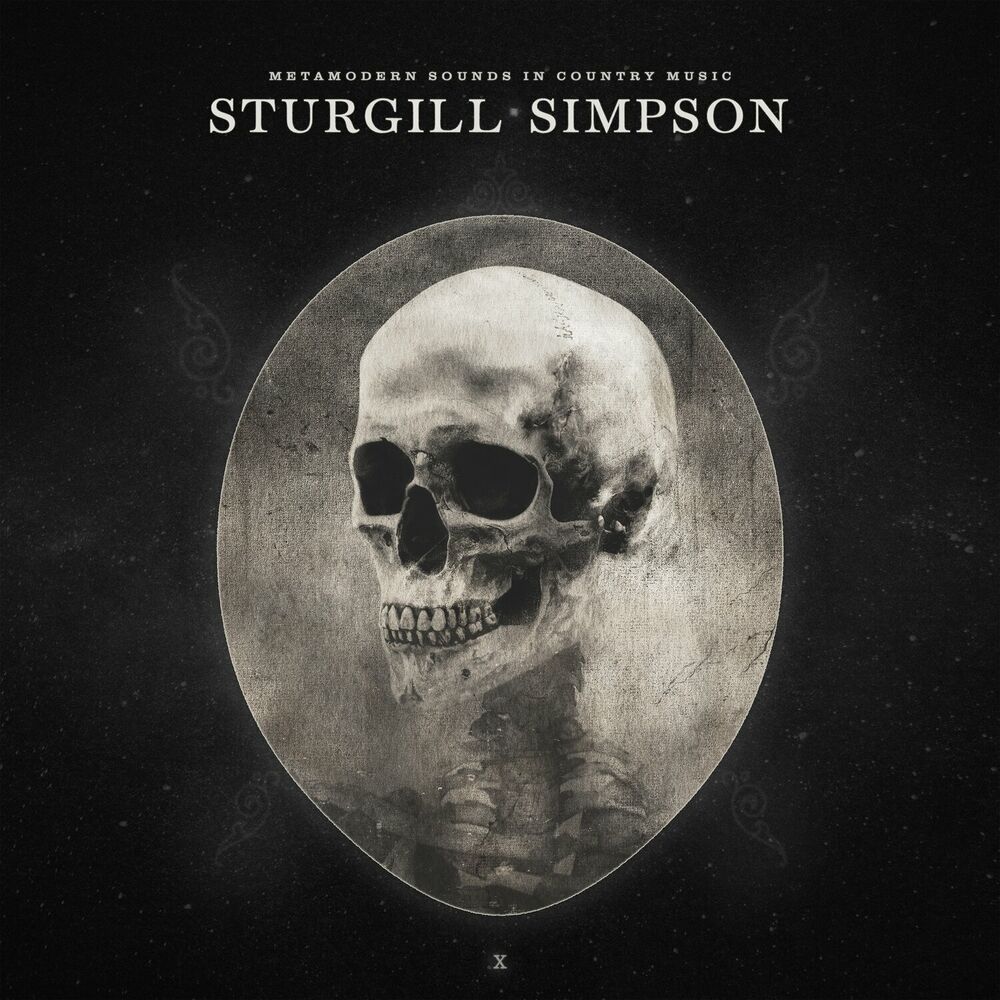
Metamodern Sounds in Country Music
Sturgill Simpson
A modern album deeply rooted in authentic country tradition with gritty realism and Cash's influence evident in both songwriting and vocal delivery.
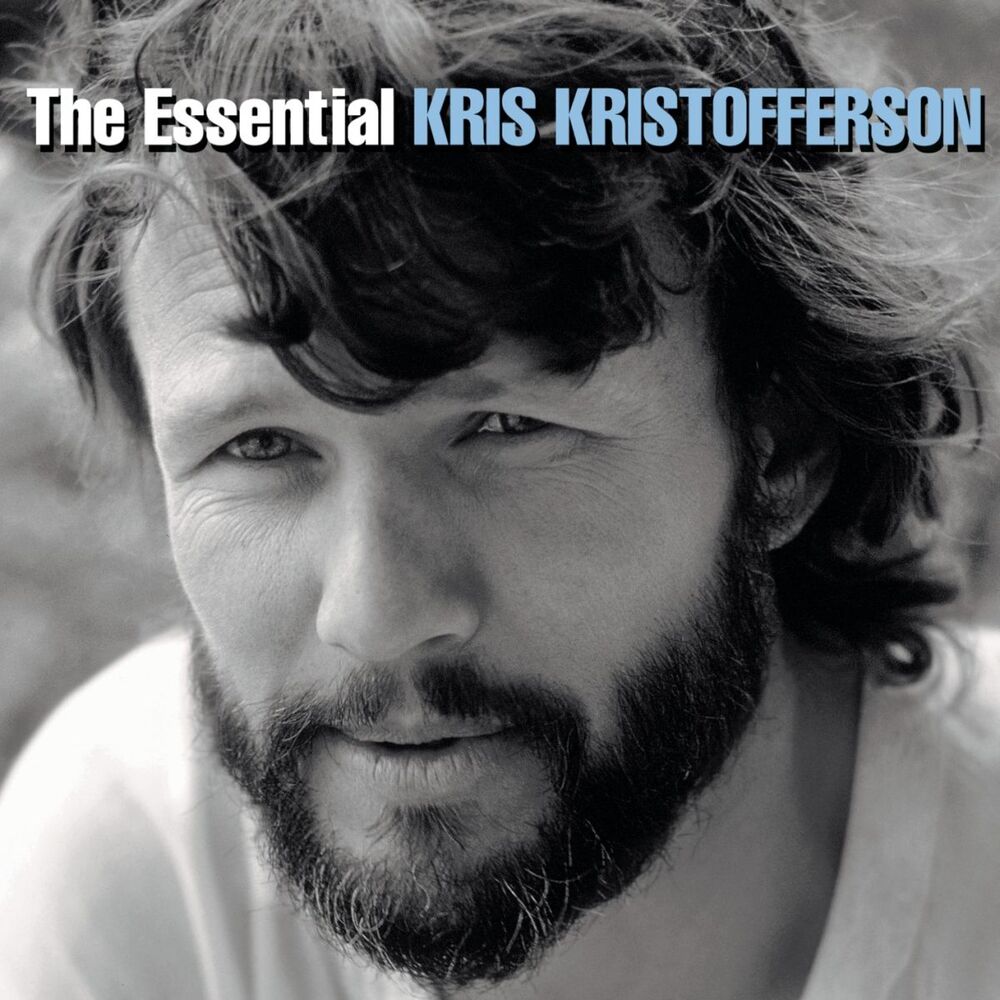
Kristofferson
Kris Kristofferson
Features weathered vocal delivery, outlaw country sensibilities, and introspective songwriting that resonates with Cash's themes of struggle and survival.
Also Appears On
Essential Country on Vinyl
“Cash walked into a prison and played for inmates like they were the most important audience in the world. They were. 'Folsom Prison Blues' hits different when actual prisoners cheer the line about Reno.”
Rolling Stone's 500 Greatest Albums of All Time
“Cash walked into a prison and recorded one of the greatest live albums ever made. The electricity of a room full of inmates responding to an artist who understood their world. 'Folsom Prison Blues' becomes a communion.”
Own this record? Track it in your collection.