#38 of 500
· Rolling Stone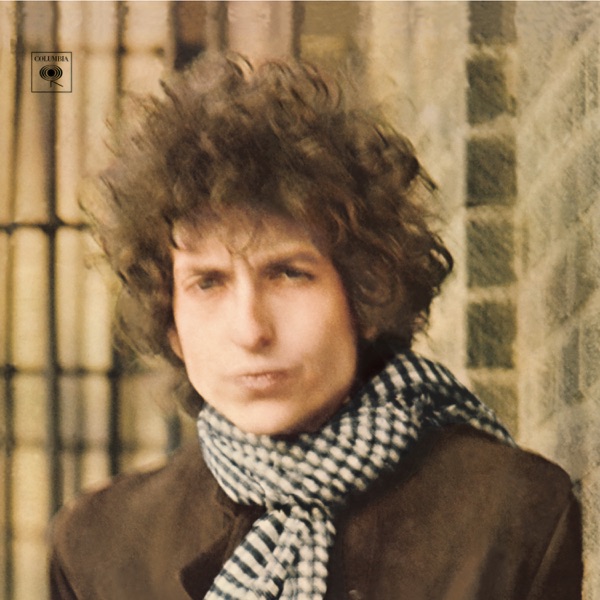
“The first great double album in rock. Dylan and a group of Nashville session musicians created something that sounded like nothing else in 1966 — or since. The original Columbia mono pressing is the collector's prize. 'Visions of Johanna' and 'Sad-Eyed Lady of the Lowlands' are peak Dylan.”
Bob Dylan emerged from the folk music scene in early 1960s New York, quickly becoming the voice of a generation with his poetic, socially conscious songwriting. His controversial decision to "go electric" at the 1965 Newport Folk Festival marked a watershed moment in rock history, leading to landmark albums like "Highway 61 Revisited" and "Blonde on Blonde." Throughout his career spanning six decades, Dylan has continuously reinvented himself across country, gospel, blues, and experimental rock, earning the Nobel Prize in Literature in 2016. His influence on popular music remains immeasurable, with countless artists citing him as foundational to their artistic development.
Style
Dylan pioneered the singer-songwriter tradition, blending folk music with rock, blues, and country influences. His distinctive nasal vocal delivery, intricate guitar work, and densely layered, often cryptic lyrics became his signature sound across multiple genres.
Significance
Dylan is a cornerstone artist for vinyl collectors, with his early acoustic albums and electric-era works representing some of the most important recordings in rock history. His prolific output and constant artistic experimentation make his discography essential for understanding modern music's evolution, while original pressings of albums like "The Freewheelin' Bob Dylan" and "Blood on the Tracks" remain highly sought-after collector's items.
Blonde on Blonde, recorded primarily in Nashville between February and March 1966, marked a significant shift in Dylan's creative approach. Working with producer Bob Johnston and a stellar session band including keyboardist Al Kooper, guitarist Charlie McCoy, and bassist Wayne Moss, Dylan crafted what many consider his most ambitious studio work. The album was famously completed despite Dylan suffering a motorcycle accident in July 1966, which had interrupted recording sessions. Dylan's songwriting reached new heights of complexity and introspection, with extended compositions like "Sad Eyed Lady of the Lowlands"—an 11-minute closer that reportedly took only one or two takes to record. The sessions were characterized by Dylan's precise vision and the musicians' ability to capture his dense, poetic arrangements on tape.
Historical Context
Released in May 1966, Blonde on Blonde arrived at a pivotal moment in popular music, with Dylan serving as a bridge between the folk tradition and emerging psychedelic rock experimentation. The album topped the Billboard 200 and was celebrated by critics as a masterpiece of lyrical sophistication and musical ambition. It solidified Dylan's reputation as an artist who consistently pushed creative boundaries. Contextually, 1966 was a year of significant cultural upheaval—the Vietnam War was escalating, and rock music was rapidly evolving. Dylan's introspective, complex storytelling on tracks like "Rainy Day Women #12 & 35" and "Just Like Tom Thumb's Blues" resonated with audiences grappling with contemporary anxieties while maintaining the poetic complexity he'd established since going electric.
Pressing Notes
The original 1966 Columbia Records pressing is highly sought by collectors, particularly early versions with the die-cut gatefold cover. Both mono and stereo versions exist; the stereo pressing is more common but the mono version is prized for its different mixes and vintage warmth. Early pressings can be identified by Dylanesque cover art and Columbia's 6-eye label design. Subsequent reissues include the 1980s Masterworks edition and various CD-era vinyl reissues. The 2015 Dylanesque remaster offers improved sound quality. Collectors should note that condition significantly affects value, as early pressings show wear. Box set editions containing this album alongside other Dylan classics have also been released. Original pressing values vary substantially based on condition, pressing plant, and label variations.
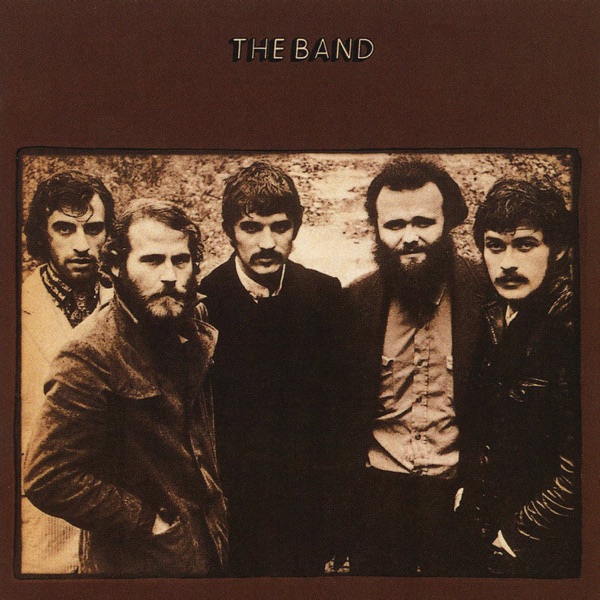
The Band
The Band
This album shares Blonde on Blonde's raw, organic rock sound with Dylan-adjacent lyrical storytelling and Americana influences from the same era.

After the Gold Rush
Neil Young
Young's introspective songwriting and country-rock instrumentation echo Dylan's poetic approach while maintaining the raw production aesthetic of mid-60s rock.

Astral Weeks
Van Morrison
Morrison delivers stream-of-consciousness lyrics over jazzy, soulful arrangements that capture the same exploratory spirit and literary depth as Blonde on Blonde.

Blue
Joni Mitchell
This confessional, musically adventurous album parallels Dylan's willingness to blend folk, rock, and experimental sounds while maintaining deeply personal songwriting.

The Velvet Underground & Nico
The Velvet Underground & Nico
Lou Reed's poetic lyricism and the album's genre-blending approach to rock music shares Blonde on Blonde's artistic ambition and willingness to challenge conventional song structures.
Own this record? Track it in your collection.