#60 of 100
· Apple Music
The Velvet Underground & Nico
The Velvet Underground & Nico
Year
1967
Genre
RockLabel
Verve
Format
Vinyl LP
“Placing VU&Nico at 60 feels like burying the lede—this debut is arguably the most influential rock album ever pressed. Aja Warhol's banana peel and that first needle drop of "Sunday Morning" changed everything about what rock could be. The original Verve pressing is notoriously fragile, but if you find one in decent shape, it's a holy grail moment. Hard to imagine this sitting anywhere outside the top 20, but maybe that's the paradox of truly foundational records—they're so woven into the DNA of everything after that their radical strangeness fades into inevitability.”
The Velvet Underground & Nico, formed in 1964 in New York City, revolutionized rock music through their experimental approach and unflinching lyrical content. The group featured Lou Reed (guitar, vocals), John Cale (multi-instrumentalist), Sterling Morrison (bass), and Maureen Tucker (drums), with German singer Nico as a collaborator on their debut album. Their 1967 self-titled debut, produced by Andy Warhol, featured the iconic "Banana" cover and introduced avant-garde rock to mainstream audiences. Despite limited commercial success during their initial run, the band's three studio albums established them as influential innovators, particularly through hits like "Walk on the Wild Side" (1972) and experimental tracks exploring urban decay, sexuality, and drug culture with unprecedented candor.
Style
The Velvet Underground pioneered art rock and proto-punk, blending avant-garde experimentation with pop sensibilities, featuring distorted guitars, unconventional song structures, and stark, poetic lyrics that challenged contemporary rock norms.
Significance
The group is considered foundational to alternative rock, post-punk, and experimental music, with their debut album frequently cited as one of the most influential records ever made; their records are essential acquisitions for collectors interested in 1960s-70s rock innovation and the intersection of art and music.
The Velvet Underground & Nico, recorded in 1966, emerged from the creative partnership between Lou Reed, John Cale, Sterling Morrison, and Maureen Tucker, with German chanteuse Nico as the featured vocalist on several tracks. Produced by Andy Warhol, who served as the album's conceptual architect and manager, the sessions took place at Scepter Studios in New York. The album was largely self-written by Reed and Cale, with Warhol's influence shaping the experimental approach to production and arrangement. Despite its modest production budget and relatively raw sound quality, the album showcased groundbreaking instrumentation—particularly Cale's viola work—and unflinching lyrical explorations of urban decay, drug use, and sexual ambiguity that were shocking for mainstream 1966.
Historical Context
Released in March 1966, The Velvet Underground & Nico arrived during a moment of radical cultural shift, though it initially received minimal commercial success and radio play due to its controversial subject matter and avant-garde aesthetic. The album contradicted prevailing pop sensibilities, emerging simultaneously with psychedelia and the Summer of Love ethos, yet offering a darker, more urban counterpoint. Critical reception was mixed initially, with some reviewers dismissive of its noise elements and provocative themes. However, the album's influence grew substantially over subsequent decades, becoming recognized as a watershed moment in rock music and a crucial bridge between art rock and punk. Its cultural impact far exceeded its original sales figures.
Pressing Notes
The original 1966 Verve Records pressing (V6-5008) is highly collectible and exists in several notable variants. Early copies featured the famous peelable banana sticker designed by Warhol on the cover, with variations in how it was applied. The original jacket design included a close-up of the band members' faces. Subsequent reissues have been numerous, including versions on Polydor and other labels in different territories. Collectors should note that early pressings often exhibit surface noise and varying audio fidelity. The album has been remastered multiple times, with significant reissues from Verve and other audiophile labels offering improved sound quality. Original stereo pressings generally command higher prices than mono versions, though both remain highly sought after by serious collectors.

Transformer
Lou Reed
Lou Reed's solo masterpiece carries forward the experimental rock and lyrical sophistication of VU, featuring the iconic track 'Walk on the Wild Side.'
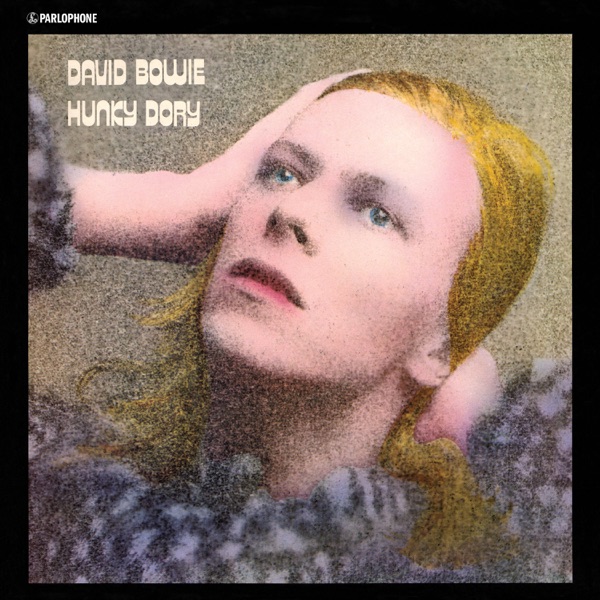
Hunky Dory
David Bowie
Bowie's introspective classic demonstrates the artistic ambition and genre-blending approach inspired by the Velvet Underground's revolutionary sound.
Own this record? Track it in your collection.