#57 of 500
· Rolling Stone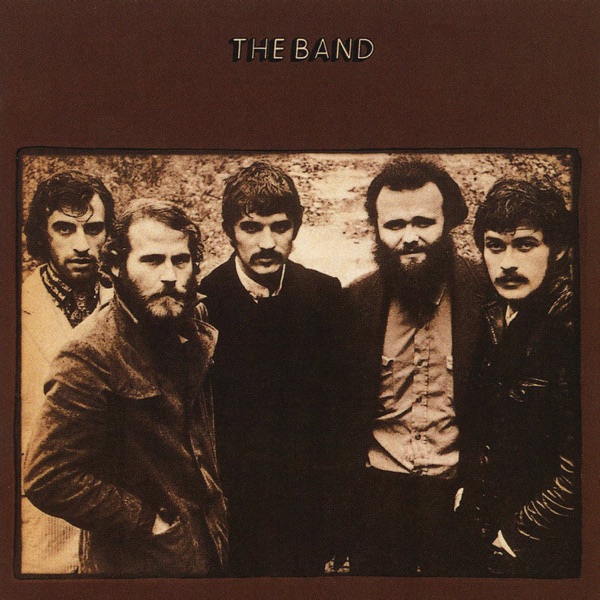
“The self-titled second album is even better than Big Pink — 'The Night They Drove Old Dixie Down' is historical fiction that feels like memory. The Capitol pressing is warm and organic, capturing five musicians who played like one organism.”
The Band was a Canadian-American rock group formed in 1967, consisting of Robbie Robertson (guitar), Garth Hudson (keyboards), Richard Manuel (vocals, piano), Rick Danko (vocals, bass), and Levon Helm (drums, vocals). They gained prominence as Bob Dylan's backing band before establishing themselves as a major force in roots rock with their 1968 debut album 'Music from Big Pink.' The group's 1969 follow-up, 'The Band,' became a classic of American rock, featuring iconic songs like 'The Weight' and 'Up on Cripple Creek.' Known for their sophisticated arrangements and integration of country, blues, and soul influences, they released several acclaimed albums through the 1970s including 'Stage Fright' (1970) and 'Northern Lights—Southern Cross' (1975). The Band disbanded in 1976 but reunited periodically, with their farewell concert documented in Martin Scorsese's film 'The Last Waltz' (1978).
Style
The Band pioneered a distinctive roots rock sound that blended country, blues, folk, and soul into tightly arranged, harmony-rich compositions. Their music emphasized authentic Americana aesthetics with sophisticated production and multi-layered instrumentation centered on Hudson's organ work.
Significance
The Band's albums are cornerstone records for vinyl collectors interested in 1970s rock and roots music, establishing a template for Americana rock that influenced countless artists. Their emphasis on musicianship and arrangement over technical pyrotechnics makes their original vinyl pressings highly valued for their warm, organic sound quality.
The Band's self-titled debut, commonly known as 'The Brown Album' for its earthy cover, was recorded over several years in a basement studio at Big Pink, a house in Woodstock, New York where the group lived communally. Recorded between 1967-1968 with producer John Simon, the album showcased the band's roots-rock aesthetic and literary approach to songwriting. Robbie Robertson penned most originals, while the band also reinterpreted traditional songs like 'Long Black Veil' and 'King Harvest (Has Surely Come).' The sessions were relatively informal, capturing the group's chemistry that had been forged during years backing Bob Dylan and developing their signature sound—a fusion of country, folk, soul, and rock that eschewed the psychedelic trends of the era.
Historical Context
Released in September 1969, The Band arrived during a pivotal moment when rock music was fragmenting into competing camps. The album resonated deeply with critics and musicians seeking authenticity and substance after the excess of late-60s psychedelia. It influenced a widespread 'return to roots' movement in rock and country music. Alongside contemporaries like Creedence Clearwater Revival, The Band championed American vernacular traditions. The album's critical and commercial success established them as architects of a new roots-rock sound that would dominate the 1970s and inspire countless artists seeking to reconnect with rock and roll's foundational elements.
Pressing Notes
The original 1969 Capitol pressing came in a gatefold sleeve designed by Milton Caniff with the iconic brown/tan cover. Early pressings are characterized by warm, full sonics typical of Capitol's mastering standards. Several reissues exist, including 1970s reissues and Mobile Fidelity Sound Lab audiophile versions. Collectors should seek original first pressings for optimal sound quality and historical value. The album has been remastered multiple times across CD and vinyl formats; the 2000 Warner Bros. reissue is considered solid but differs sonically from original Capitol pressings. Condition and pressing plant variations are common with original Capitol copies—look for clear deadwax codes to identify specific pressings.
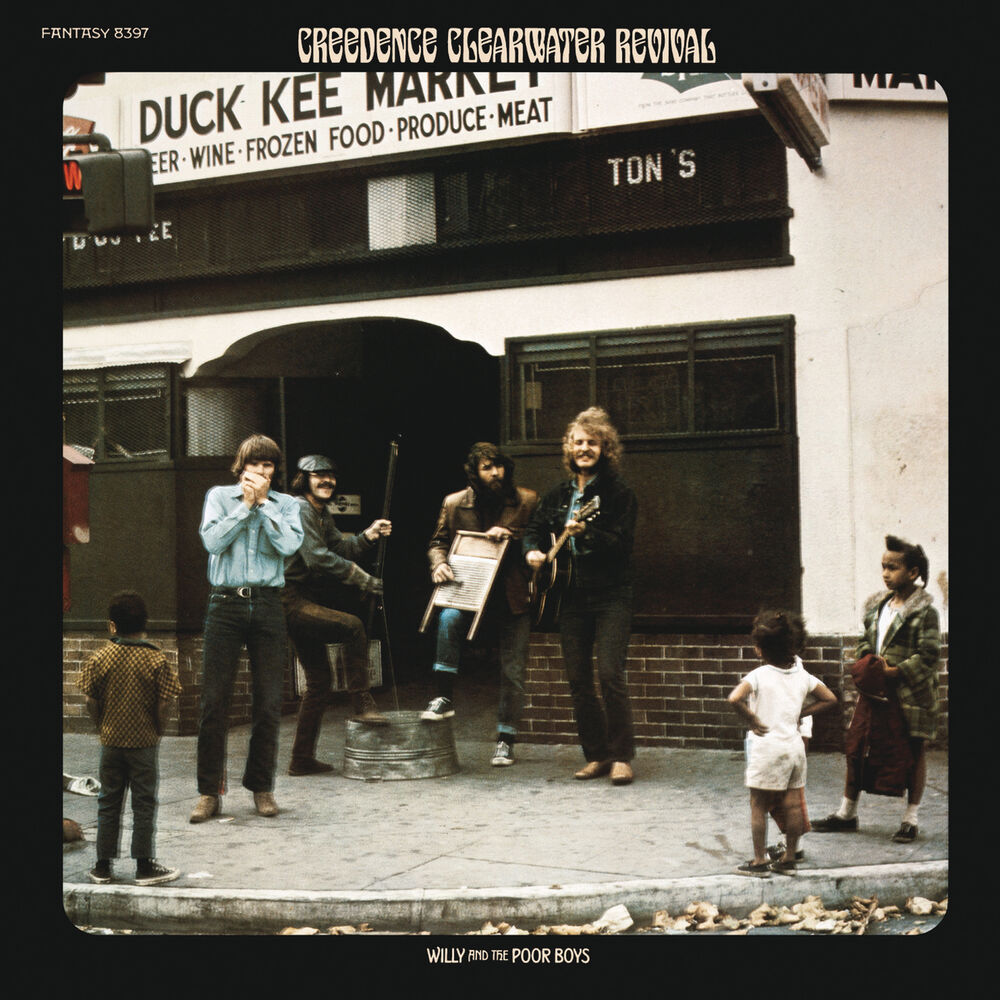
Willy and the Poor Boys
Creedence Clearwater Revival
Shares the same rootsy, American rock aesthetic with folk and country influences that define The Band's sound.

Astral Weeks
Van Morrison
Features the same earthy, soulful approach to songwriting and instrumentation with jazz and folk undertones.

American Beauty
Grateful Dead
Combines country, blues, and rock with superb harmonies and a focus on traditional American musical roots.
Own this record? Track it in your collection.