#338 of 500
· Rolling Stone
“Past 300, every pick is an argument worth having. Brian Eno brought everything to Another Green World (1975) — the kind of record that reminds you why you started collecting vinyl in the first place. The original pressing does it justice.”
Brian Eno is a legendary English music producer, composer, and musician who fundamentally shaped modern music production and ambient music. Beginning his career as a keyboardist with Roxy Music in the early 1970s, Eno quickly distinguished himself with his innovative approach to synthesizers and studio techniques. After leaving the band in 1971, he launched a solo career that spanned experimental rock, electronic music, and ambient soundscapes. His groundbreaking albums like 'Another Green World' (1975) and the seminal ambient series beginning with 'Music for Airports' (1978) redefined what popular music could be. Beyond his own recordings, Eno became one of the most sought-after producers in the industry, crafting the sonic landscape for David Bowie's 'Berlin Trilogy,' U2's Joshua Tree era, and countless others. His philosophy of 'generative music' and 'ambient music designed to be as ignorable as it is interesting' influenced generations of musicians and producers.
Style
Eno's work encompasses experimental rock, synth-pop, ambient, and electronic music, characterized by innovative studio production, atmospheric textures, and unconventional compositional approaches. His sound is defined by meticulous attention to timbre, spatial effects, and the creative possibilities of the recording studio itself.
Significance
Brian Eno is essential to vinyl collectors as both a visionary artist and architect of the modern producer's role. His pioneering ambient albums and production techniques established new sonic territories while his work with major artists demonstrates the transformative power of production, making his records fundamental to understanding post-1970s popular music.
Another Green World, released in 1975, marked Brian Eno's second solo album and represented a dramatic shift toward instrumental, ambient-influenced compositions. Recorded at Island Studios in London, the album featured a rotating ensemble of collaborators including Robert Fripp (King Crimson), Phil Collins (Genesis), and saxophonist Andy Mackay. Eno employed a highly experimental approach to the recording process, often setting up improvisational frameworks rather than working from traditional song structures. The album's 13 brief tracks—averaging around three minutes each—showcased Eno's growing fascination with texture, timbre, and unconventional arrangements. Rather than pursuing his previous theatrical rock direction, Eno created a cohesive sonic landscape that blended rock instrumentation with emerging synthesizer technology, establishing templates he would further develop throughout his career.
Historical Context
Another Green World arrived during a period of profound experimentation in progressive and art rock. Released in November 1975, it coincided with punk's emergence and the growing fragmentation of rock music into specialized subgenres. While contemporary audiences found the album enigmatic and difficult—it received modest commercial attention initially—critics recognized its prescient artistry. The album's understated approach contrasted sharply with the maximalist tendencies of contemporary prog-rock, positioning Eno as an innovative voice unconcerned with commercial accessibility. Over subsequent decades, the album gained legendary status as a foundational work of art rock and proto-ambient music, influencing countless artists working at the intersection of classical, electronic, and experimental music.
Pressing Notes
The original Island Records release (ILPS 9309) featured gatefold artwork and remains highly sought by collectors. Early pressings varied in pressing quality and label variations typical of Island's catalog from this period. The album was reissued multiple times, including Japanese editions and Mobile Fidelity Sound Lab audiophile pressings. Modern reissues by Editions E.G. and other labels offer improved mastering and packaging. Collectors should note that original 1975 UK pressings command premium prices, particularly copies in excellent condition with intact gatefolds. The album's relatively brief running time (approximately 38 minutes) is worth noting when evaluating pressings, as some editions vary slightly in track sequencing or bonus material.
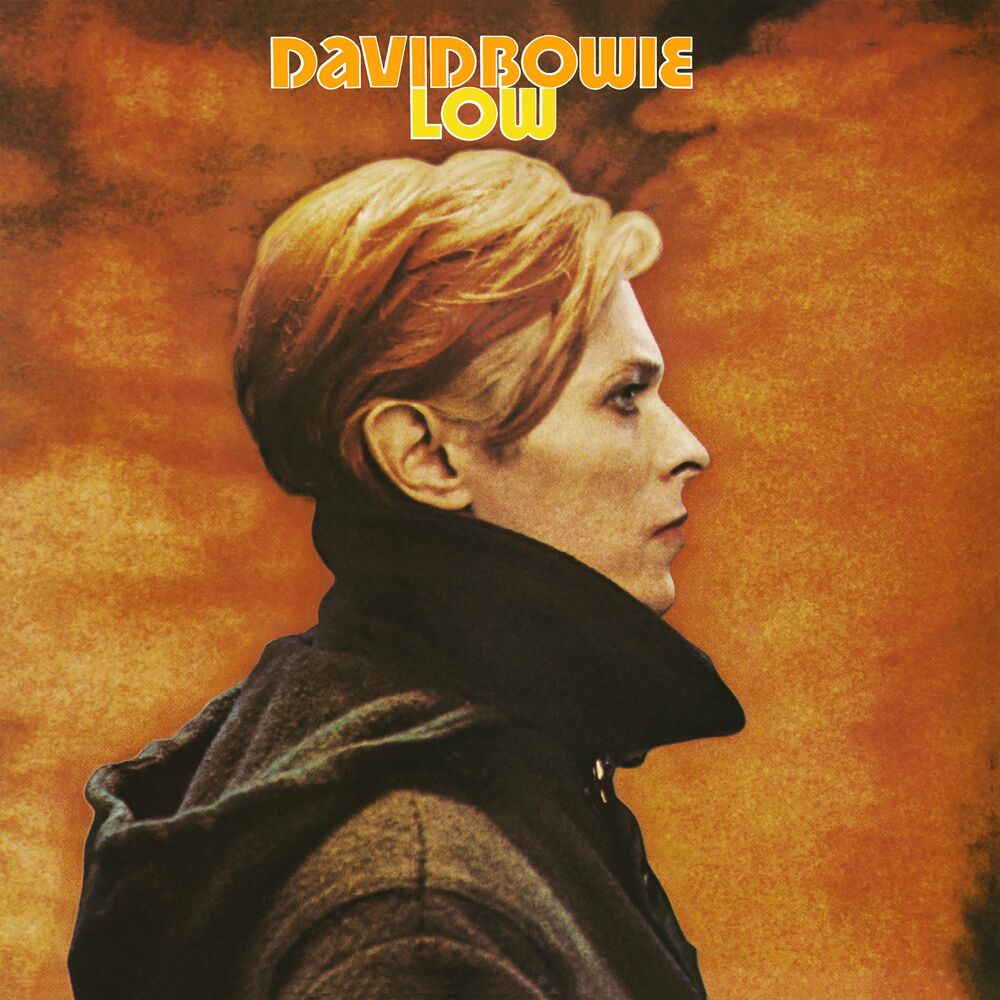
Low
David Bowie
A landmark electronic-influenced art rock album from 1977 that shares Eno's experimental production philosophy and avant-garde sensibilities.
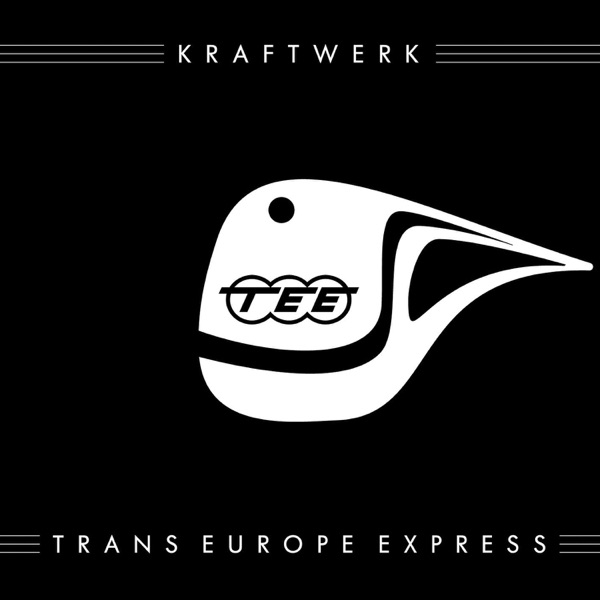
Trans-Europe Express
Kraftwerk
A seminal electronic album that influenced Eno's approach to synthesizers and electronic composition with its innovative soundscapes and meticulous production.
Own this record? Track it in your collection.