#206 of 500
· Rolling Stone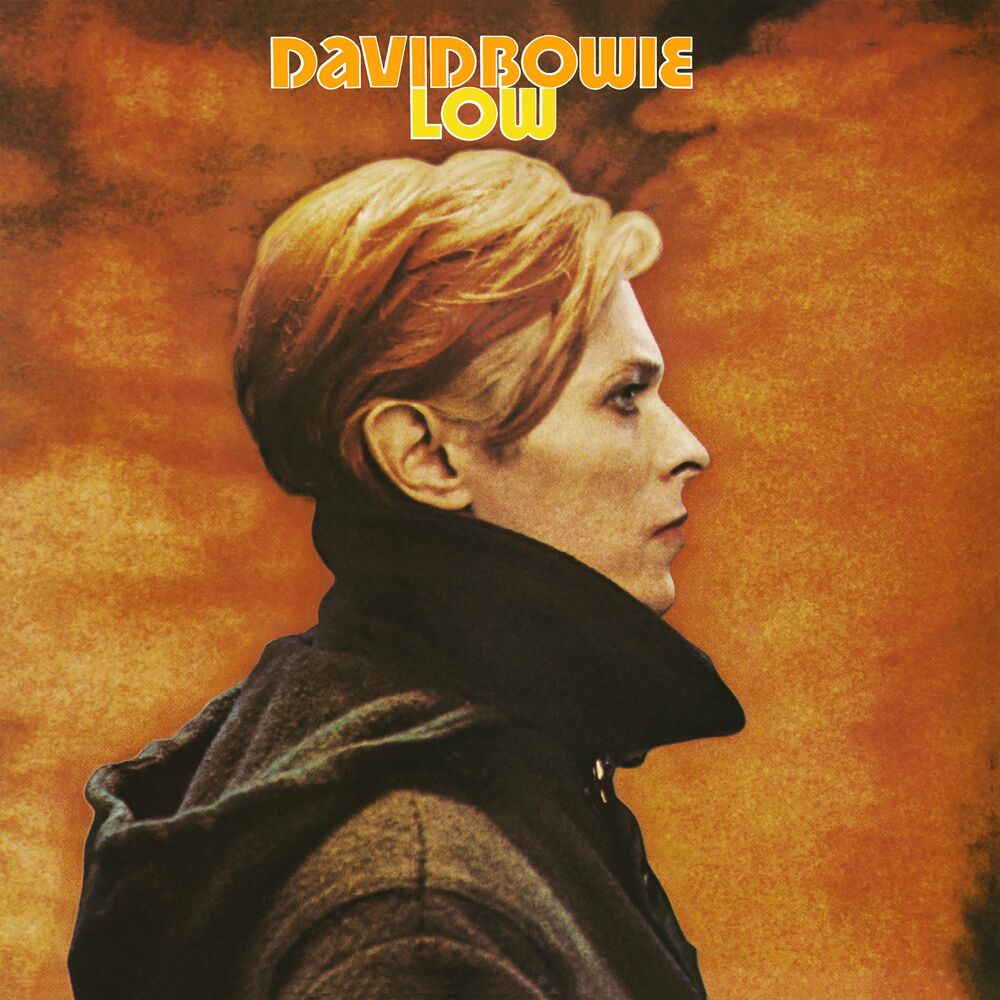
“The first Berlin album. Side A is fractured art-pop. Side B is Eno-influenced ambient instrumental. Together they're a blueprint for everything from post-punk to synth-pop.”
David Bowie (1947-2016) was a British rock musician whose career spanned five decades and fundamentally reshaped popular music. Beginning in the late 1960s, he achieved mainstream success with the 1969 single "Space Oddity" and subsequently created a series of conceptually ambitious albums that defined the 1970s. His most celebrated works include The Man Who Sold the World (1970), Hunky Dory (1971), The Rise and Fall of Ziggy Stardust and the Spiders from Mars (1972), Aladdin Sane (1973), and Young Americans (1975). Bowie's restless innovation continued through the Berlin Trilogy (Low, Heroes, Lodger) in the late 1970s, establishing him as an enduring influence across rock, electronic, and pop music. His final album Blackstar was released on his 69th birthday in January 2016, just two days before his death.
Style
Bowie's music synthesized art rock, glam rock, electronic, soul, and pop influences, characterized by theatrical presentation, innovative production, and constantly evolving sonic experimentation. His work ranged from orchestral arrangements and guitar-driven rock to electronic and dance influences, always pushing genre boundaries.
Significance
Bowie is one of the most collectible artists in vinyl culture, with his 1970s albums commanding significant collector interest and his original pressings fetching premium prices. His conceptual albums, striking visual presentation, and frequent format variations make him essential to serious vinyl collectors, while his influence on subsequent generations of artists remains immeasurable.
Low, released in January 1977, marked David Bowie's first collaboration with producer Tony Visconti and producer/musician Brian Eno, establishing a creative partnership that would define his late-1970s output. Recorded at the Château d'Hérouville in France and Hansa Studios in West Berlin, the album emerged from a period of personal turbulence and artistic reinvention. Bowie was recovering from cocaine addiction and seeking to distance himself from his rock star persona. The album is split structurally: the first half features relatively concise, pop-oriented songs like "Sound and Vision" and "Breaking Glass," while the second half consists of instrumental or largely atmospheric pieces heavily influenced by electronic music and European avant-garde traditions. Eno's generative approach to composition, combined with Visconti's sophisticated production techniques and Bowie's melodic sensibilities, created something unprecedented—accessible yet experimental, damaged yet beautiful.
Historical Context
Low arrived at a pivotal moment in rock music, as punk was dominating the UK charts and the art-rock establishment felt increasingly challenged. Rather than competing in that arena, Bowie looked toward European electronic music and Krautrock influences—particularly the work of Kraftwerk and Neu!—signaling a deliberate retreat from stadium rock. The album's fractured, introspective quality resonated with critics and audiences seeking sophisticated alternatives to punk's raw energy. While initial commercial reception was cautious, Low gradually gained recognition as a masterpiece, influencing countless post-punk, industrial, and electronic artists. It demonstrated that Bowie could reinvent himself completely and successfully, establishing the template for his continued artistic evolution throughout the late 1970s.
Pressing Notes
Low has been released in numerous editions across four decades. Original 1977 UK pressings on RCA feature different mixes and mastering compared to later reissues; early pressings are prized by collectors for their warmth and particular EQ characteristics. The 1991 remaster on Rykodisc and subsequent 2013 remaster by Tony Visconti added clarity but remain somewhat controversial among audiophiles who prefer original pressings. Colored vinyl variants and picture discs were issued in the 1980s and 1990s. The 2017 Parlophone remaster is widely considered the most accurate digital-era transfer. Collectors should note that original gatefold sleeves feature the iconic Iggy Pop photograph by Masayoshi Sukita; condition of the sleeve can significantly affect value. Half-speed mastered editions exist and command premium prices, though availability varies by region.

Own this record? Track it in your collection.