#274 of 500
· Rolling Stone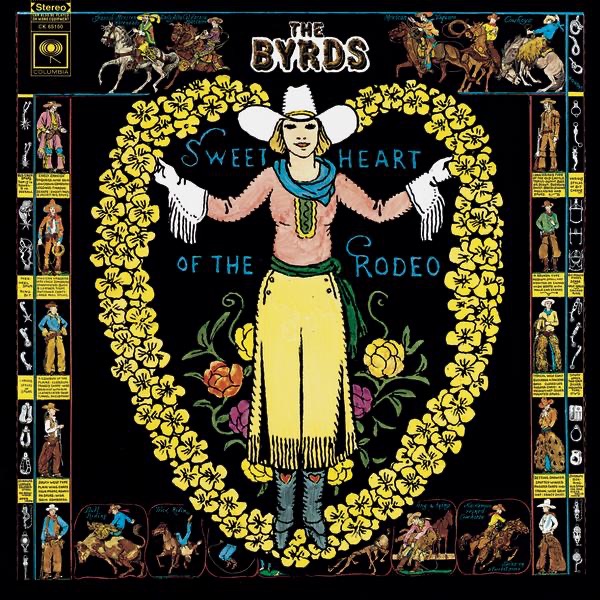
“This is the part of the list where the real crate-digging starts. Sweetheart of the Rodeo is The Byrds's statement piece (1968) — locked in from the first groove. The original pressing does justice to a record that defined its corner of rock.”
The Byrds emerged from Los Angeles in 1964 as pioneers of folk-rock, blending the acoustic traditions of Pete Seeger and Bob Dylan with the electric energy of The Beatles. Founded by Roger McGuinn, Gene Clark, David Crosby, Chris Hillman, and Michael Clarke, the group achieved immediate success with their 1965 cover of Dylan's "Mr. Tambourine Man," which introduced the world to McGuinn's distinctive 12-string Rickenbacker sound. Throughout the mid-to-late 1960s, they evolved dramatically across multiple genres: "Fifth Dimension" (1966) explored psychedelia and Indian classical music, "Sweetheart of the Rodeo" (1968) established country-rock as a legitimate genre, and later albums incorporated hard rock and gospel influences. Despite constant lineup changes and internal conflicts, The Byrds remained innovators, influencing countless bands and establishing templates for rock experimentation that persisted throughout the decade.
Style
Folk-rock evolving into psychedelic rock, country-rock, and experimental rock. Their signature sound features layered vocal harmonies, jangly 12-string guitars, and studio experimentation that reflected contemporary cultural and musical trends.
Significance
The Byrds are essential to vinyl collectors as architects of multiple rock subgenres and exemplars of the LP as an artistic statement. Their albums represent crucial chapters in rock history, with original pressings of "Fifth Dimension" and "Sweetheart of the Rodeo" being particularly sought-after for their sound quality and cultural importance.
Sweetheart of the Rodeo marked The Byrds' pivotal turn toward country music in late 1968, recorded primarily at Columbia Studios in Nashville with session musicians including legendary guitarist Clarence White. The album was largely driven by Gram Parsons, who joined the band as guitarist and vocalist, bringing his vision of merging country traditions with rock sensibilities. Though Parsons' vocal contributions were substantially reduced after initial recording sessions—with Roger McGuinn re-recording many lead vocals—his compositional and conceptual influence remained central. The sessions also featured members like Chris Hillman on bass and Kevin Kelley on drums, creating a cohesive sound that bridged Nashville's Grand Ole Opry heritage with the Byrds' rock pedigree.
Historical Context
Released in August 1968, Sweetheart of the Rodeo arrived as country music was gaining unexpected cultural cachet in rock circles. The album preceded the outlaw country movement but helped establish credibility for rock musicians exploring country roots. It received mixed initial reviews, with some critics praising its originality while others questioned the authenticity of rock musicians adopting country conventions. However, the album has since been recognized as foundational to country-rock as a genre, influencing acts like the Flying Burrito Brothers and later the Eagles. Its commercial performance was modest at the time, but its artistic impact proved enduring.
Pressing Notes
The original 1968 Columbia LP pressing (CS 9670) is highly sought by collectors. Early pressings featured the 'original' mix with Parsons' vocals more prominently featured before the subsequent re-recording sessions. A reissue in 1997 by Columbia/Legacy restored some of Parsons' original vocal contributions, offering collectors an alternative perspective on the album's creation. Vinyl copies vary in condition and pressing quality; original Columbia pressings in good condition command premium prices. The gatefold cover artwork remains iconic, and collectors should verify jacket condition separately from the vinyl itself, as original sleeves are particularly vulnerable to wear.
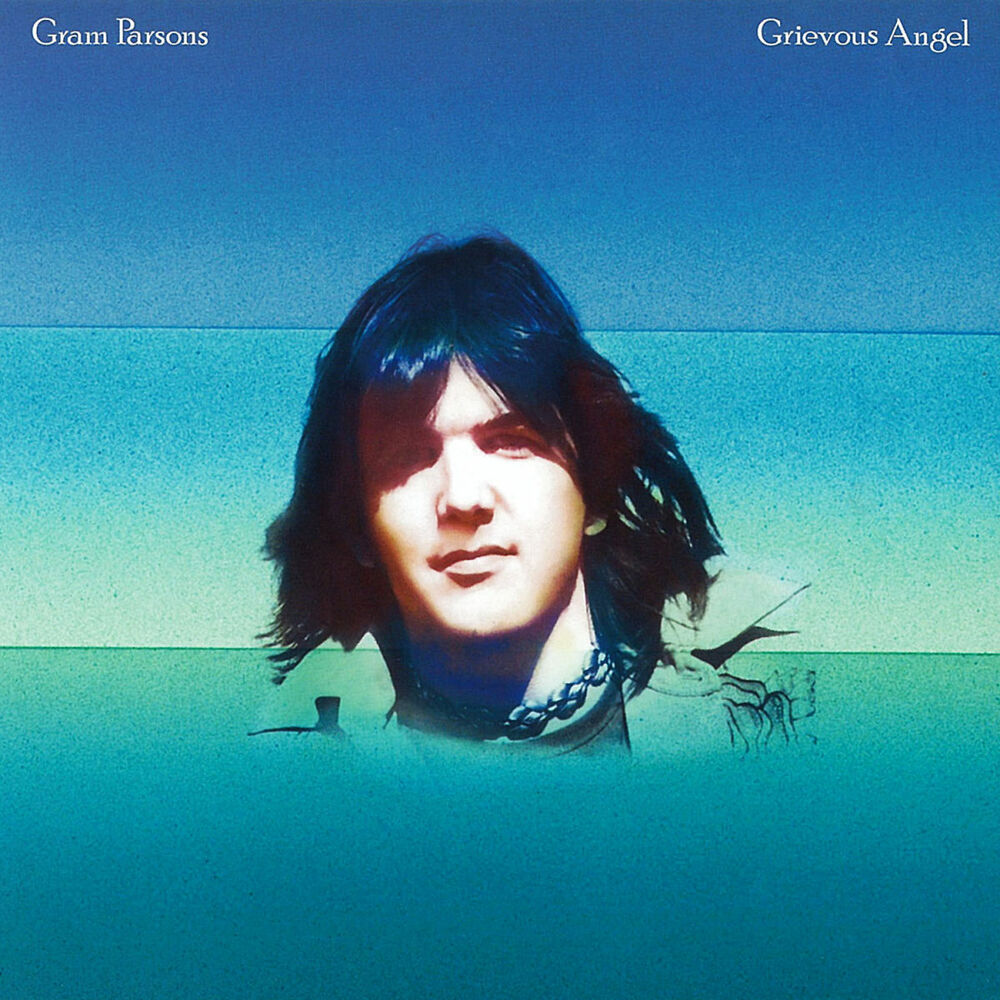
Grievous Angel
Gram Parsons
Parsons co-wrote and performed on Sweetheart of the Rodeo, and this solo album deepens the country-rock fusion that defined that record.

The Gilded Palace of Sin
Flying Burrito Brothers
Features Gram Parsons and Chris Hillman (both from Sweetheart) and captures the same pioneering country-rock sound with gorgeous vocal harmonies.

Music from Big Pink
The Band
Shares the earthy Americana sensibility and roots-rock instrumentation while maintaining sophisticated songwriting and harmonic complexity.
Own this record? Track it in your collection.