#15 of 25
· Cratewise Editorial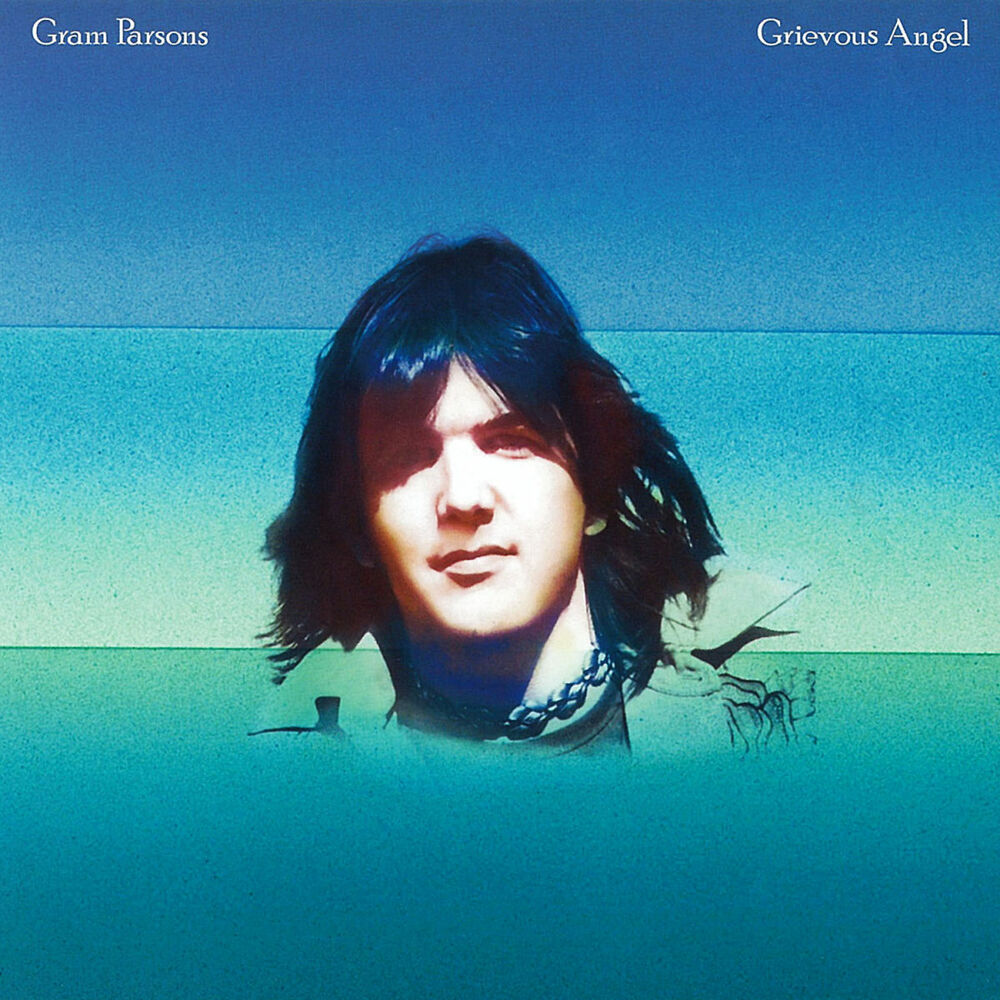
Grievous Angel
Gram Parsons
Year
1974
Genre
Country/AmericanaLabel
Reprise
Format
Vinyl LP
“Released after his death. Emmylou Harris's harmonies on 'Love Hurts' and 'In My Hour of Darkness' are some of the most beautiful vocal pairings in any genre. Cosmic American Music.”
Gram Parsons (1946-1973) was a pioneering figure in country rock who bridged the gap between rock music and traditional country during the late 1960s and early 1970s. He began his career with the International Submarine Band before joining The Byrds in 1968, where he introduced country influences to their psychedelic sound on the landmark album 'Sweetheart of the Rodeo.' Parsons then co-founded The Flying Burrito Brothers in 1969, releasing two critically acclaimed albums that established the country rock genre. His solo career included 'GP' (1973) and the posthumously released 'Grievous Angel' (1974), both produced in collaboration with Emmylou Harris, showcasing his sophisticated songwriting and emotional vocal delivery. His influence on country rock and outlaw country remains significant despite his brief career, cut short by his death at age 26.
Style
Parsons created a distinctive fusion of country, rock, and soul characterized by lush harmonies, twangy vocals, and poetic lyricism. His sound emphasized authenticity and emotional directness, drawing from honky-tonk traditions while maintaining rock instrumentation.
Significance
Gram Parsons is essential to vinyl collectors as a founding architect of country rock and a major influence on generations of artists. His albums are prized for their pristine production, remarkable songwriting, and his collaborations with musicians like Emmylou Harris, making them cornerstone records in both country and rock collecting.
Grievous Angel, released in 1974, stands as Gram Parsons' final studio album and a masterpiece of country-rock fusion. Recorded primarily at Muscle Shoals Sound Studio in Alabama, the album showcased Parsons' mature songwriting and his ability to blend country, rock, and soul influences seamlessly. The sessions featured a stellar lineup including producer Kyle Lehning and the Muscle Shoals rhythm section, with Emmylou Harris providing harmonies that became integral to the album's sound. Harris would become Parsons' artistic partner and close collaborator, and her vocal contributions—particularly on tracks like 'Love Hurts' and the title track—elevated the work to new emotional heights. The album was completed just months before Parsons' tragic death in September 1974, making it his definitive statement and a bittersweet final chapter of his recording career.
Historical Context
Grievous Angel arrived during a period of country-rock's commercial ascendancy, with artists like the Eagles achieving massive success. However, Parsons' approach was more traditionally rooted in country music, reflecting the influence of Merle Haggard and classic country forms rather than rock posturing. The album received critical acclaim upon release, with reviewers praising its emotional depth and sophisticated arrangements. Parsons' death weeks after its release transformed the album into a valedictory work, cementing his legend among musicians and critics who recognized his visionary approach to bridging country and rock. While not a massive commercial success initially, the album's reputation has only grown with time.
Pressing Notes
The original 1974 Reprise Records pressing (MS 2195) is the most sought-after edition among collectors, featuring a gatefold sleeve with striking photography. Early pressings can be identified by the butterfly logo on the label. The album has been reissued multiple times, including a 1990s Reprise reissue and a 2003 Sundazed Records audiophile reissue on 180-gram vinyl, which is noted for superior sound quality. Collectors should seek out original Reprise pressings for authenticity, though the Sundazed reissue offers improved audio fidelity. All original vinyl pressings are relatively scarce, reflecting the album's cult status and limited initial pressings.

Own this record? Track it in your collection.