#390 of 500
· Rolling Stone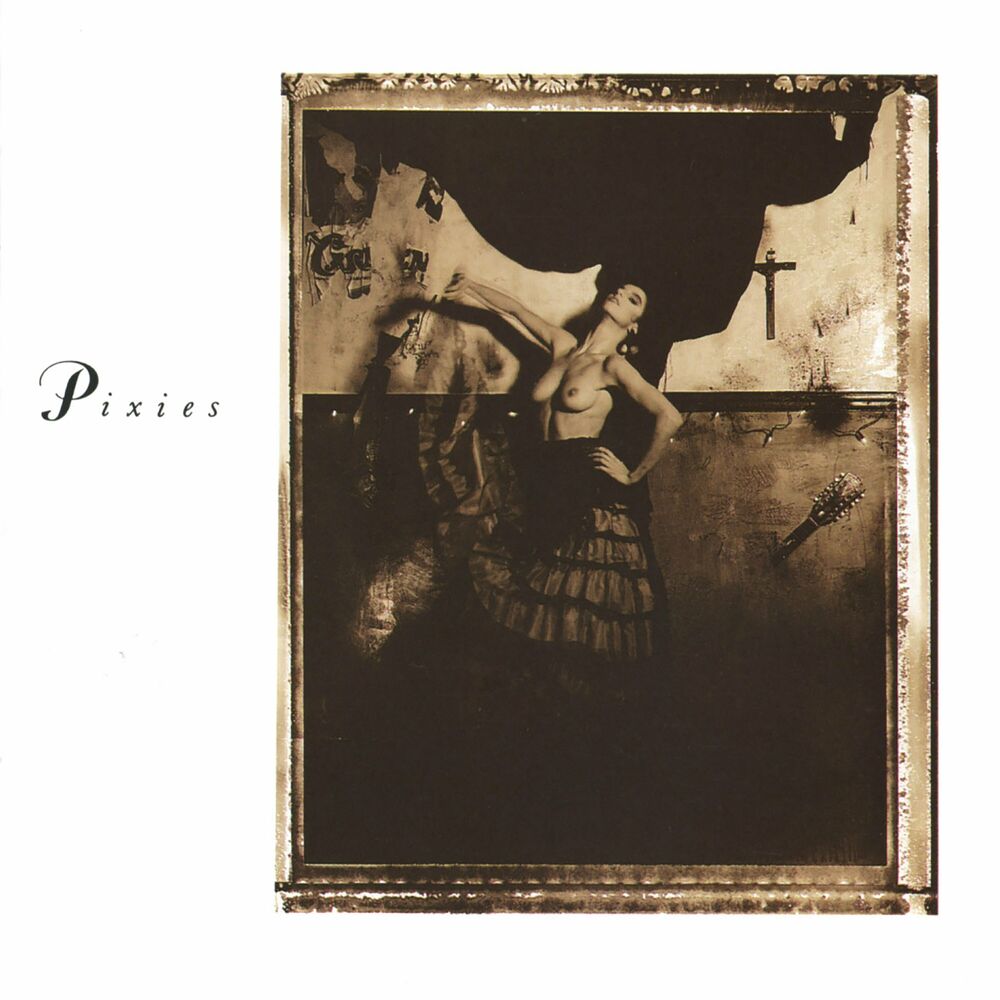
“There's a case that Surfer Rosa deserves to be higher, but #390 is solid company. Pixies's work here (1988) is the kind of thing that makes you play both sides twice. The original pressing is the way in.”
Pixies were an American alternative rock band formed in Boston in 1986, consisting of Black Francis (vocals), Kim Deal (bass), Joey Santiago (guitar), and David Lovering (drums). The band released four studio albums between 1988 and 1991 before breaking up, becoming hugely influential despite limited commercial success during their initial run. Their debut 'Surfer Rosa' (1988) and follow-up 'Doolittle' (1989) established their signature loud-quiet-loud dynamics and surrealist lyrics. After disbanding in 1992, the Pixies reunited in 2004 and have continued touring and recording, releasing new studio albums including 'Indie Cindy' (2014) and 'Head Carrier' (2016).
Style
Pixies pioneered an innovative blend of post-punk, alternative rock, and surf rock, characterized by abrupt dynamic shifts from whispered verses to explosive choruses, angular guitar work, and unconventional song structures. Their sonic palette combined surf-influenced melodies with darkly surreal imagery and experimental production techniques.
Significance
Pixies' influence on 1990s grunge and alternative rock cannot be overstated—bands like Nirvana and The Breeders directly cited them as major inspirations. For vinyl collectors, their original 4AD pressings, particularly 'Surfer Rosa' and 'Doolittle,' are essential post-punk artifacts, and their discography remains a cornerstone of alternative rock collecting.
Surfer Rosa, the Pixies' debut album, was recorded in 1988 at Fort Apache Studios in Boston under the production of Steve Albini, whose engineering approach helped define the band's signature sound. The album showcased the band's innovative dynamic shift between quiet, introspective verses and explosive, distortion-heavy choruses—a formula that would influence alternative rock for decades. Black Francis wrote most of the material, drawing on surrealism, Spanish-language imagery, and psychological intensity. The band, featuring Kim Deal on bass, Joey Santiago on guitar, and David Lovering on drums, worked quickly and intuitively during the sessions. Despite modest studio resources, Albini's meticulous recording technique captured the raw energy and detail of their performances, creating a landmark indie rock document that established Pixies as innovators beyond the college radio circuit.
Historical Context
Released in March 1989, Surfer Rosa emerged during the post-punk revival and indie rock explosion, arriving just months before Nirvana's Bleach. The album received strong critical acclaim in alternative music publications and college radio, though mainstream recognition remained limited initially. Pixies' approach—combining pop sensibilities with abrasive guitar work and unconventional song structures—prefigured the alternative rock boom of the early 1990s. The album's influence grew substantially after grunge's commercial breakthrough, as musicians and critics recognized Surfer Rosa as a crucial precursor to that movement. Its success established 4AD Records as a vital independent label and demonstrated that challenging, non-commercial songwriting could find an audience.
Pressing Notes
The original 1989 4AD vinyl pressing (CAD 804) is highly sought by collectors, with early issues featuring hand-stamped matrices. The album was pressed on black vinyl with a distinctive gatefold sleeve designed by Vaughan Oliver. Subsequent pressings and reissues appeared on 4AD and other labels; a 2005 remaster was released on 180-gram vinyl. Original copies command premium prices due to collectibility and the album's cultural significance. Collectors should note that 4AD's pressing quality varied during this era, so condition and pressing plant details (often visible in the runout groove) affect value. The album has been reissued multiple times, including deluxe editions with bonus material, making both original and reissue editions available to collectors at various price points.

Daydream Nation
Sonic Youth
Shares the same angular guitar work, art-rock sensibilities, and 1980s indie rock aesthetic that defined Surfer Rosa's sound.

Zen Arcade
Hüsker Dü
Features the same intense, distortion-heavy punk-to-alternative trajectory with dynamic soft-loud contrasts that characterize Pixies' approach.

Last Splash
The Breeders
Led by Pixies bassist Kim Deal, this album continues the band's tradition of experimental pop with fuzzy guitars and unconventional song structures.

Slanted and Enchanted
Pavement
Draws direct inspiration from Pixies' lo-fi aesthetic and quirky song construction while adding slacker-rock vocals and unconventional arrangements.
Own this record? Track it in your collection.