#205 of 500
· Rolling Stone
“'Wild World,' 'Father and Son,' and 'Where Do the Children Play?' on the same record. An embarrassment of riches. The Island pressing is warm, acoustic, and timeless.”
Cat Stevens, born Steven Demetre Georgiou in 1948, emerged as one of the most significant singer-songwriters of the 1970s. After early hits like "I'm Gonna Sit Right Down and Write Myself a Letter" (1966), he achieved massive commercial success with landmark albums including Tea for the Tillerman (1970) and Teaser and the Firecat (1971). These albums established his introspective, acoustic-driven folk-pop sound and featured enduring classics such as "Wild World," "Morning Has Broken," and "Peace Train." Stevens continued recording through the mid-1970s with albums like Catch Bull at Four (1972) and Buddha and the Chocolate Box (1974) before stepping back from music in 1978 following his conversion to Islam. He later returned to music as Yusuf Islam, releasing new material and performing selectively.
Style
Cat Stevens is renowned for his warm, melancholic acoustic folk-pop style featuring fingerpicked guitars, introspective lyrics, and his distinctive soft, expressive vocals. His sound blends elements of traditional folk with pop sensibility, creating emotionally direct and sophisticated arrangements.
Significance
Cat Stevens' early 1970s albums are considered essential vinyl classics, featuring exceptional songwriting and production that have made them consistent favorites among record collectors. His influence on singer-songwriter traditions and folk-pop remains substantial, with his records widely sought after for their warm analog sound and timeless lyrical depth.
Tea for the Tillerman, released in 1970, marked Cat Stevens' artistic breakthrough and emerged from a period of personal reinvention. After abandoning his previous pop-oriented sound, Stevens retreated to recover from tuberculosis and underwent a spiritual awakening that deeply influenced the album's introspective character. Recorded primarily at Island Studios in London with producer Paul Samwell-Smith, the album featured Stevens accompanied by minimal instrumentation—primarily acoustic guitar, with selective contributions from musicians like Alun Davies (lead guitar) and members of the nascent folk-rock scene. The sessions captured Stevens' raw vulnerability and philosophical questioning, with songs written during this contemplative period. The album's intimate production style allowed Stevens' fingerpicking technique and distinctive vocal phrasing to become the focal point, establishing the stripped-down acoustic aesthetic that would define his early 1970s work.
Historical Context
Tea for the Tillerman arrived during a golden age of introspective singer-songwriter material, alongside releases by James Taylor and Carole King, establishing Stevens as a significant voice in acoustic folk-rock. The album resonated with audiences seeking authentic, earnest songwriting in the post-psychedelic era. It achieved significant chart success, reaching the top ten in multiple countries and establishing Stevens as a serious artist rather than the pop novelty he'd been previously marketed as. The album's spiritual themes and humanistic lyrics appealed to the counterculture's evolving sensibilities, and tracks like 'Wild World' and 'Father and Son' became anthems of their generation.
Pressing Notes
The original 1970 Island Records pressing (ILPS 9135 in the UK, initially with gatefold sleeve) is highly sought by collectors. Early pressings featured the distinctive butterfly logo and characteristic Island house sound. The album was pressed on 180g vinyl in various reissues, notably the 2006 Analogue Productions audiophile pressing and subsequent Mobile Fidelity Originals release, both praised for fidelity. Collectors should note that original UK pressings vary in label design and matrix details across runs. The album has remained continuously in print, with numerous international pressings from different eras—Japanese, German, and audiophile reissues offer varying sonic characteristics worth exploring.

Pink Moon
Nick Drake
Both albums feature introspective acoustic arrangements with melancholic folk sensibilities and poetic, intimate songwriting.

Sweet Baby James
James Taylor
Shares the same era's warm, confessional folk-pop sound with fingerpicked guitars and emotionally vulnerable vocals.
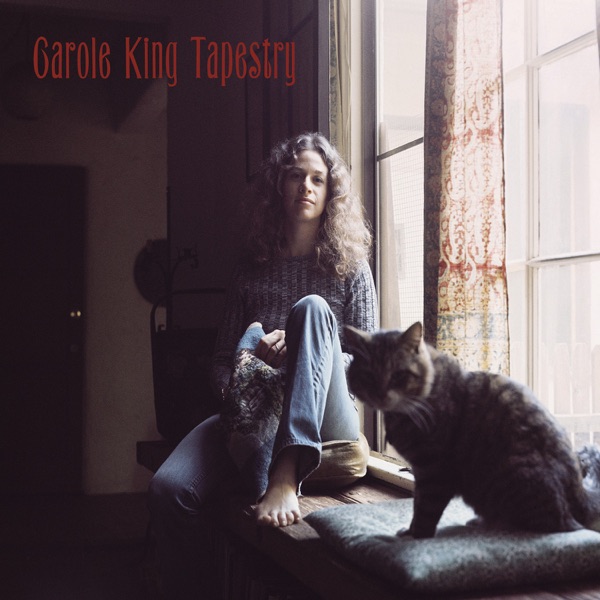
Tapestry
Carole King
A contemporary masterpiece with similarly accessible yet sophisticated folk-influenced production and deeply personal songwriting.

Blue
Joni Mitchell
Features the same vulnerable acoustic folk aesthetic with intricate instrumentation and poignant, introspective lyricism from the early 1970s.
Also Appears On
Own this record? Track it in your collection.