#193 of 500
· Rolling Stone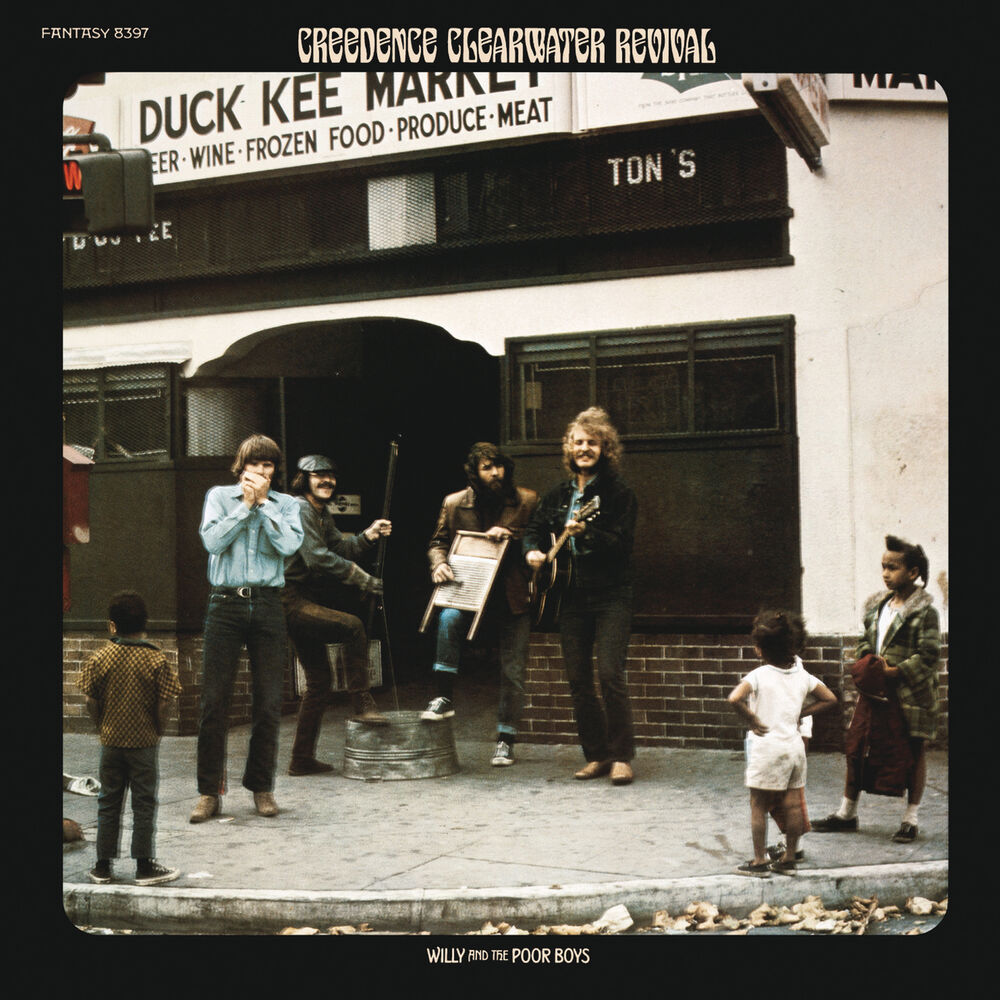
Willy and the Poor Boys
Creedence Clearwater Revival
Year
1969
Genre
RockLabel
Format
Vinyl LP
“Deep enough in the list to separate casual fans from serious collectors. Creedence Clearwater Revival's Willy and the Poor Boys (1969) is rock that transcends its genre tag. The original pressing is the one to find — the kind of record that stops you mid-flip at the store.”
Creedence Clearwater Revival (CCR) was an American rock band formed in El Sobrante, California, in 1967, featuring John Fogerty (lead vocals, lead guitar), Tom Fogerty (rhythm guitar), Stu Cook (bass), and Doug Clifford (drums). The group achieved massive commercial success between 1969 and 1970, releasing five studio albums that spawned numerous hit singles including 'Proud Mary,' 'Bad Moon Rising,' 'Green River,' and 'Fortunate Son.' Despite their brief existence—the band disbanded in 1972—CCR became one of the best-selling rock acts of the era, selling over 28 million records worldwide. Their music blended rock, blues, country, and swamp rock influences, creating a distinctive sound that defined late-1960s American rock.
Style
CCR pioneered swamp rock and country-rock fusion, characterized by John Fogerty's distinctive lead vocals, twangy guitar work, and the band's tight, groove-oriented arrangements. Their sound merged blues-rock energy with folk and country elements, creating accessible yet substantive rock music.
Significance
CCR's catalog remains essential for vinyl collectors, with their original pressings highly valued for their superior audio quality and cultural importance. The band's influence on rock music and their status as one of the most commercially successful acts of the late 1960s make their vinyl records sought-after collectibles that represent a pivotal era in American rock history.
Creedence Clearwater Revival recorded "Willy and the Poor Boys" in 1969, their third album in less than a year, demonstrating the band's prolific output during their peak creative period. John Fogerty wrote or co-wrote nearly all tracks, continuing his role as the group's primary songwriter and creative force. The album was recorded at various sessions and showcased the band's signature swamp rock sound while experimenting with different styles—from the folk-influenced "Fortunate Son" to the harder rock edge of "Travelin' Band." Tom Fogerty, John's brother, remained on rhythm guitar, while Stu Cook handled bass and Doug Clifford provided drums. The album was produced by John Fogerty with input from Saul Zaentz and the band's label, Fantasy Records.
Historical Context
Released in November 1969, "Willy and the Poor Boys" arrived during a transformative period in rock music and American culture. The Vietnam War was escalating public protest, and "Fortunate Son"—with its biting critique of draft dodging and class privilege—became an anthem for the anti-war movement, even as the band avoided explicit political positioning. The album peaked at #3 on the Billboard 200, cementing CCR's status as one of America's biggest rock bands. Contemporary critics praised the band's musicianship and infectious hooks, though some dismissed them as too commercial compared to the psychedelic and progressive rock dominating album-oriented radio.
Pressing Notes
Original 1969 Fantasy Records pressings are highly sought by collectors. Early editions feature the original green Fantasy label and can vary in sound quality depending on pressing plant. The album was reissued multiple times on vinyl through the 1970s and 1980s. Collectors should note that original pressings sometimes have surface noise issues; later pressings from the 1990s onward generally offer improved sound quality. Japanese pressings from the 1970s (notably on the King Records label) are particularly prized for their superior mastering and pressing quality. Modern audiophile reissues have also been released, though opinions vary among collectors regarding their sonic improvements versus the original character.
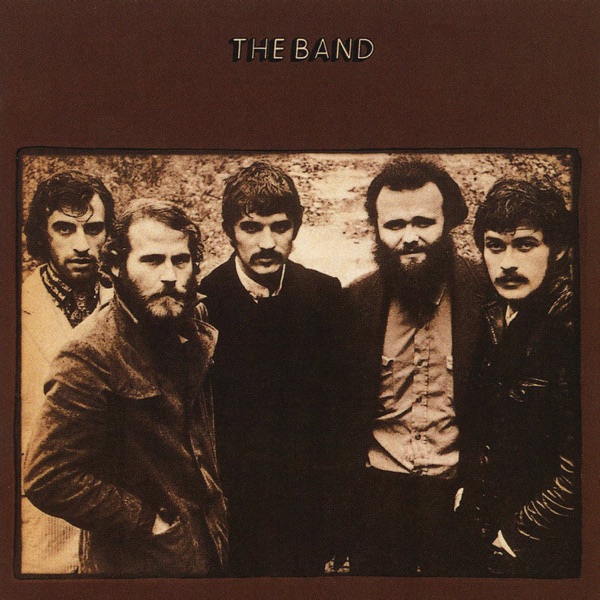
The Band
The Band
Features the same swampy, roots-oriented rock sound with tight ensemble playing and Americana influences that define CCR's style.

Pronounced Leh-Nerd Skin-Nerd
Lynyrd Skynyrd
Shares CCR's Southern rock sensibilities, swaggering guitar work, and the ability to balance hard rock with melodic songwriting.
Own this record? Track it in your collection.