#192 of 500
· Rolling Stone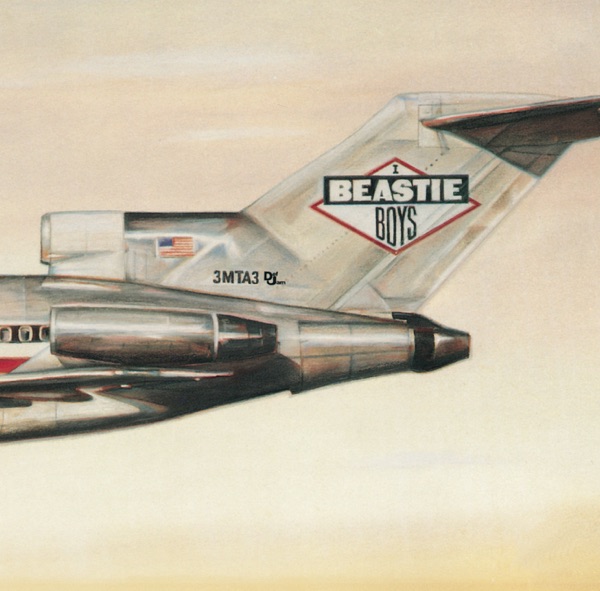
“#192 feels right for this one. Licensed to Ill is a product of the 1980s, and Beastie Boys delivered something that still resonates. The original pressing rewards close listening on a good turntable.”
The Beastie Boys, formed in New York City in 1981, revolutionized hip-hop by blending rap with punk rock, funk, and psychedelic influences. Originally starting as a punk band, the group—comprising Mike D (Michael Diamond), MCA (Adam Yauch), and Ad-Rock (Adam Horovitz)—transitioned to hip-hop in the mid-1980s. Their 1986 debut album Licensed to Ill became a massive commercial success and cultural phenomenon, introducing rap to mainstream rock audiences. Throughout the 1990s and 2000s, they evolved their sound with critically acclaimed albums like Paul's Boutique (1989), Ill Communication (1994), and Hello Nasty (1998), each showcasing sophisticated production, sampling, and genre experimentation. The group remained active until MCA's death in 2012, leaving behind a legacy of innovative, playful, and influential music that bridged hip-hop and alternative rock.
Style
The Beastie Boys are pioneers of rap-rock fusion, combining aggressive hip-hop vocals with heavy guitar riffs, funk grooves, and eclectic sampling. Their sound evolved from party-oriented humor and punk energy to more intricate, sample-heavy production and jazz-influenced compositions.
Significance
The Beastie Boys are essential to vinyl collectors for demonstrating hip-hop's crossover potential and influencing generations of artists across multiple genres. Their albums, particularly Paul's Boutique and Hello Nasty, are prized by collectors for their innovative production and have become staples of hip-hop and alternative music vinyl collections.
Licensed to Ill, released in November 1986, marked the Beastie Boys' debut album and their transition from punk rock to hip-hop. The trio—Mike D, MCA, and Ad-Rock—recorded primarily at Chung King Studios in New York under the production guidance of Rick Rubin, who had recently founded Def Jam Records. Rubin's stripped-down production style combined heavy guitar samples (particularly from Led Zeppelin's "When the Levee Breaks") with sharp hip-hop beats and scratches by DJ Hurricane. The album was recorded relatively quickly, capturing the group's chaotic energy and irreverent humor. Key collaborators included producer/engineer Howie Klein and mixer Tom Flipper. The record showcased the Beastie Boys' rowdy, comedic approach to rap, featuring party-oriented tracks and provocative lyrics that would later become points of contention for the group themselves.
Historical Context
Licensed to Ill arrived during hip-hop's emerging mainstream period, following the success of Run-D.M.C. and Grandmaster Flash. The album became a cultural phenomenon, particularly among white suburban audiences, helping to further bridge hip-hop into mainstream rock radio. It debuted at number 3 on the Billboard 200 and eventually became the best-selling rap album of the 1980s. The record's success—buoyed by MTV rotation for tracks like "(You Gotta) Fight for Your Right (To Party!)"—sparked both celebration and controversy. The Beastie Boys' irreverent humor and sampling-heavy production influenced countless artists, though the group would later distance themselves from some of the album's content and the party-focused image it cultivated.
Pressing Notes
The original 1986 vinyl pressing on Def Jam Records came in standard black vinyl with gatefold artwork featuring the iconic tour bus cover. Early pressings are highly collectible. The album has been reissued multiple times, including a 2009 deluxe remaster on 180-gram vinyl and various limited colored vinyl editions released by different distributors. Collectors should note that original pressings from 1986 can command premium prices in good condition. The gatefold jacket and inner sleeve artwork are crucial to the collectibility of original copies. Counterfeit pressings exist, so verification of Def Jam matrix numbers and pressing plant information is recommended for high-value purchases.
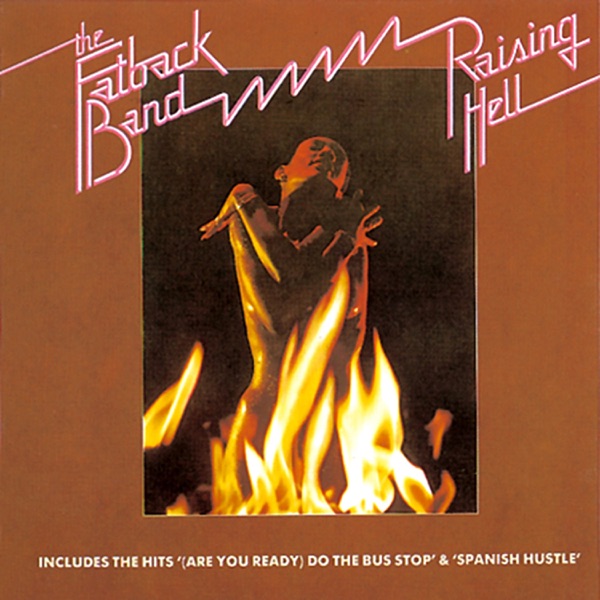
Raising Hell
Run-D.M.C.
Pioneering hip-hop album with similar energetic production, rock-rap fusion, and the same era's rebellious spirit that defined Licensed to Ill.
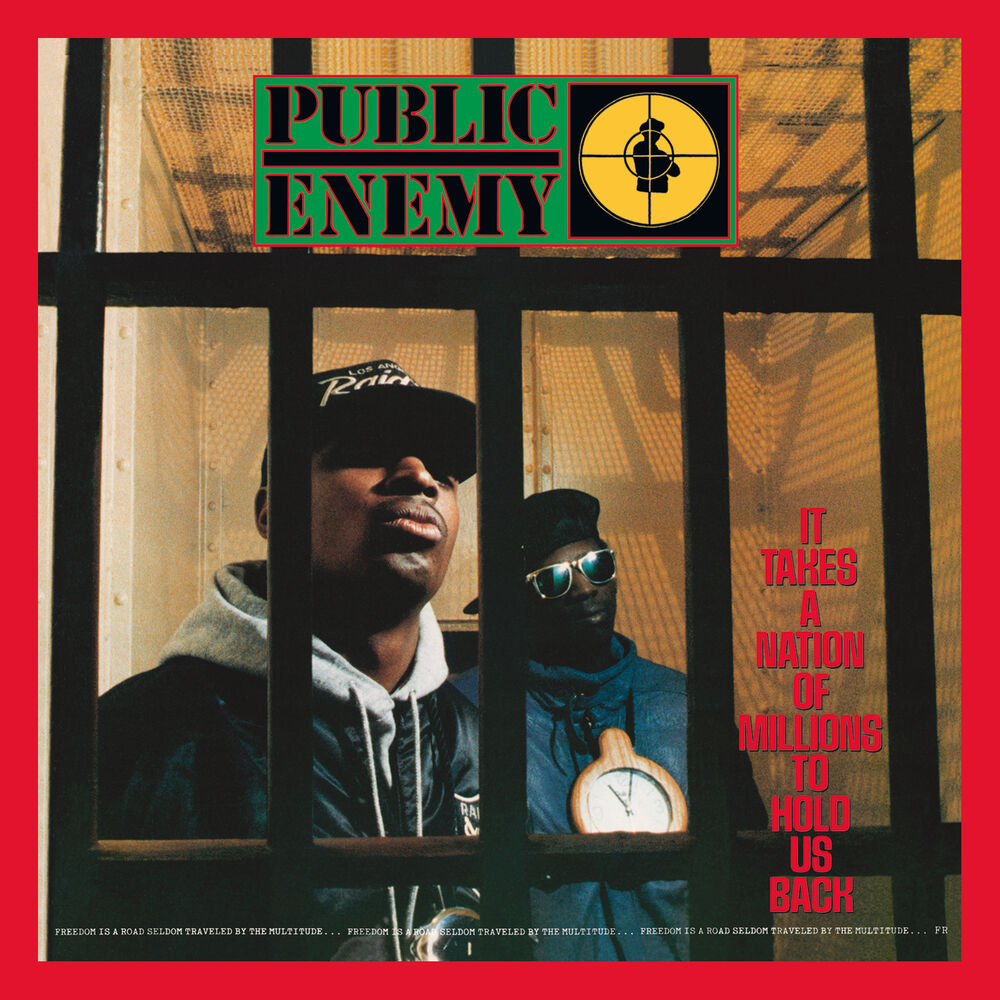
It Takes a Nation of Millions to Hold Us Back
Public Enemy
Essential 1980s hip-hop with dense, innovative sampling and aggressive production style that shares Licensed to Ill's raw sonic experimentation.
Own this record? Track it in your collection.