#18 of 500
· Rolling Stone
“Dylan plugged in, and half his folk audience walked out. Their loss. 'Like a Rolling Stone' rewrote what a pop single could be — six minutes of righteous fury that nobody at Columbia wanted to release. The original mono pressing is the holy grail for Dylan collectors.”
Bob Dylan emerged from the folk music scene in early 1960s New York, quickly becoming the voice of a generation with his poetic, socially conscious songwriting. His controversial decision to "go electric" at the 1965 Newport Folk Festival marked a watershed moment in rock history, leading to landmark albums like "Highway 61 Revisited" and "Blonde on Blonde." Throughout his career spanning six decades, Dylan has continuously reinvented himself across country, gospel, blues, and experimental rock, earning the Nobel Prize in Literature in 2016. His influence on popular music remains immeasurable, with countless artists citing him as foundational to their artistic development.
Style
Dylan pioneered the singer-songwriter tradition, blending folk music with rock, blues, and country influences. His distinctive nasal vocal delivery, intricate guitar work, and densely layered, often cryptic lyrics became his signature sound across multiple genres.
Significance
Dylan is a cornerstone artist for vinyl collectors, with his early acoustic albums and electric-era works representing some of the most important recordings in rock history. His prolific output and constant artistic experimentation make his discography essential for understanding modern music's evolution, while original pressings of albums like "The Freewheelin' Bob Dylan" and "Blood on the Tracks" remain highly sought-after collector's items.
Highway 61 Revisited, recorded in June 1965 at Columbia Records' Studio A in New York, marked Bob Dylan's decisive turn toward electric rock music. Working with producer Tom Wilson and a crack session band featuring Mike Bloomfield on guitar, Al Kooper on organ, and Charlie McCoy on harmonica, Dylan cut the album in just two days. The centerpiece, "Like a Rolling Stone," was recorded on June 15, 1965, and became an instant classic—a six-minute single that shattered radio conventions. Dylan's lyrics grew increasingly surreal and biting, moving away from explicit protest songs toward more impressionistic social commentary. The album showcased his newfound confidence with rock arrangements while maintaining the poetic density that had defined his earlier work.
Historical Context
Released in August 1965, Highway 61 Revisited arrived at a pivotal moment in rock music and American culture. Dylan's electric turn was still controversial among folk purists, but the album proved the viability of amplified Dylan to mainstream audiences. The Vietnam War was intensifying, and Dylan's oblique political references resonated with an increasingly radicalized youth movement. The album peaked at #3 on the Billboard charts and established Dylan as a rock artist rather than merely a folk singer. It influenced countless musicians and helped legitimize rock as a vehicle for serious artistic expression beyond teenage romance narratives.
Pressing Notes
The original 1965 Columbia pressing (CL 2389 for mono, CS 9189 for stereo) featured the classic 'I' logo design. Early pressings are highly sought by collectors; stereo copies command premium prices due to superior sound quality and the album's heavy mono emphasis during the folk era. Original first pressings can be identified by their deep groove vinyl and 360-degree sound labels. Later 1960s reissues used different label designs and varying vinyl quality. The 1990s Mobile Fidelity Sound Lab remaster and various Japanese pressings are prized for sound quality. Mono copies remain affordable and offer a different listening experience. Collectors should be cautious of later reissues; original first pressings offer superior dynamics and warmer tone.

Music from Big Pink
The Band
Features the raw, organic rock sound and lyrical storytelling that Dylan pioneered, with a similar roots-rock aesthetic that translates beautifully to vinyl.

Astral Weeks
Van Morrison
Shares Dylan's poetic lyricism and folk-rock foundation while exploring a more introspective, jazzy sound that rewards close listening on vinyl.
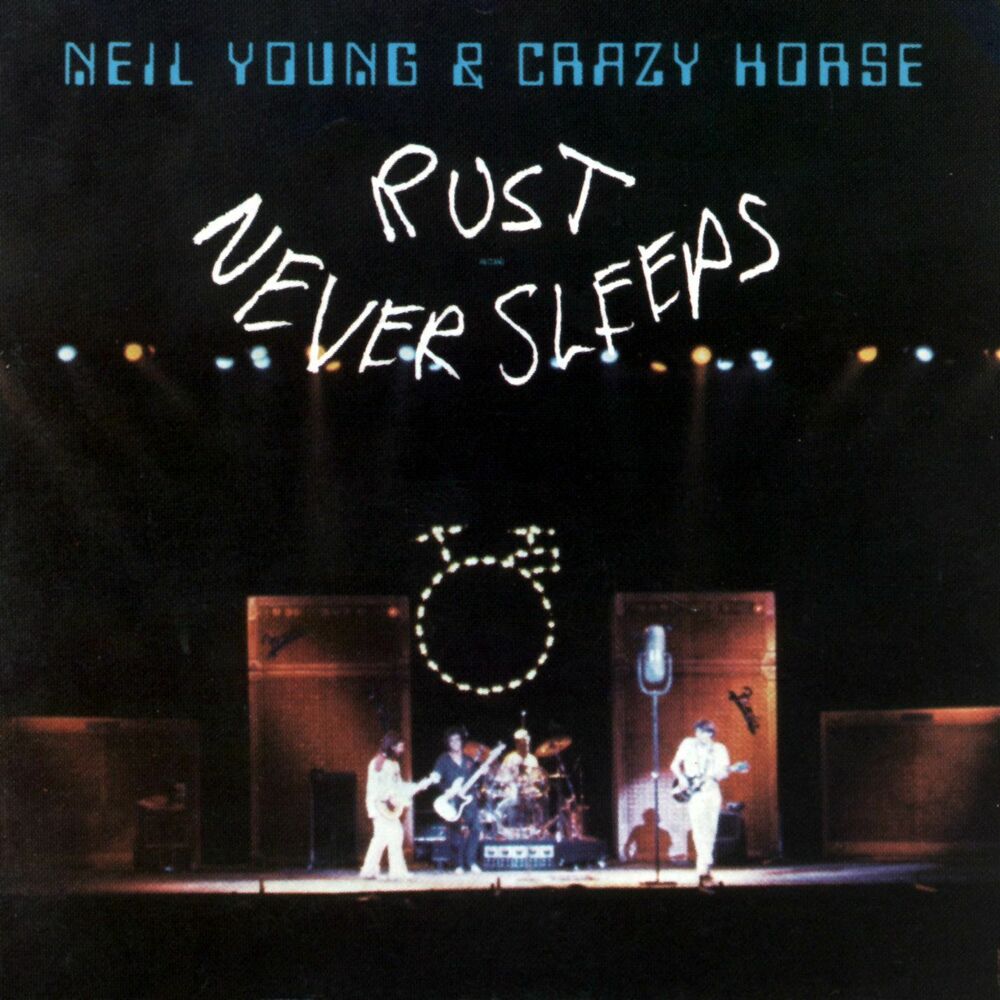
Rust Never Sleeps
Neil Young
Combines the electric rock intensity of Highway 61 with Dylan-influenced songwriting and acoustic-electric dynamics that showcase vinyl's warmth.

Blue
Joni Mitchell
A masterwork of confessional songwriting and experimental instrumentation that emerged from the same folk-rock revolution Dylan helped spark.

Songs of Leonard Cohen
Leonard Cohen
Presents deeply literary lyrics with a sparse arrangement that echoes Dylan's storytelling approach while establishing its own contemplative, shadowy mood on vinyl.
Also Appears On
Apple Music 100 Best Albums
“Highway 61 Revisited at fourteen feels criminally low—this should be pushing top five on any serious list. The title track alone rewrites what rock music could be, with that blistering organ and Dylan's snarl cutting through like nothing else on wax. "Blonde on Blonde" might grab the headlines, but this is the moment he fully weaponized the electric guitar, and the songwriting spans from the apocalyptic to the absurd. Any collection missing this first pressing is just decorative.”
Essential Classic Rock on Vinyl
“The album where rock grew a brain. 'Like a Rolling Stone' changed what popular music could say. Al Kooper's organ part was an accident. Best accident in history.”
Dexx's Top 100 Vinyl Albums of All Time
“I placed this at number nine because it's where the electric revolution truly crystallized. Yes, *Bringing It All Back Home* broke the folk-electric barrier, but *Highway 61 Revisited* is where Dylan weaponized the full band sound with reckless confidence—that opening harmonica on "Like a Rolling Stone" still hits like a needle drop after sixty years. The production is deliberately raw, the songwriting is ferocious, and that Columbia pressing captures the tape hiss and energy in ways that feel essential to the listening experience. This album doesn't just belong in the top ten; it's the bridge between two eras of rock music, and every collector needs to hear it properly on wax.”
Own this record? Track it in your collection.