#144 of 500
· Rolling Stone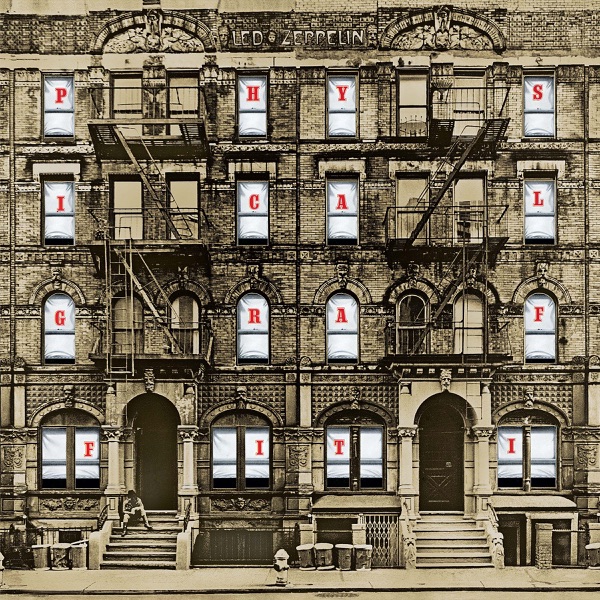
“A double album reaching across blues, Eastern music, funk, and hard rock. 'Kashmir' is the centerpiece, but deep cuts like 'Ten Years Gone' reward repeat listens. Swan Song at its peak.”
Led Zeppelin was formed in 1968 by guitarist Jimmy Page, vocalist Robert Plant, bassist John Paul Jones, and drummer John Bonham. The British rock band revolutionized popular music by blending blues, rock, folk, and world music influences into a powerful, innovative sound. Their self-titled debut album in 1969 established them as major forces in rock music, featuring the iconic track "Whole Lotta Love." Throughout the 1970s, they released a series of landmark albums including Led Zeppelin II (1969), Led Zeppelin IV (1971), and Houses of the Holy (1973), which showcased increasingly sophisticated songwriting and production. The band disbanded in 1980 following John Bonham's death, but their influence remained immense. Their catalog spans hard rock epics, acoustic blues arrangements, mystical folk songs, and experimental soundscapes that continue to define rock music.
Style
Led Zeppelin pioneered heavy rock and hard rock, combining blues foundations with folk, Celtic, Eastern, and world music elements. Their sound is characterized by powerful, layered production, dynamic range from intimate acoustic passages to thunderous electric arrangements, and Plant's distinctive wailing vocals paired with Page's inventive guitar work.
Significance
Led Zeppelin's albums are cornerstone recordings for vinyl collectors, prized for their sonic depth, innovative production techniques, and enduring influence on rock music. Their vinyl releases, particularly the early albums and the reissues, are highly sought after for their superior sound quality and remain essential reference points for understanding modern rock music.
Physical Graffiti, Led Zeppelin's sixth studio album, was recorded across multiple sessions between 1973 and 1974 at various locations including Headley Grange, the band's own Stargrove studio, and Island Studios in Jamaica. The double album showcased the band's most diverse material, blending hard rock with folk, blues, and Eastern influences. Producer Jimmy Page oversaw the sessions, which were marked by experimentation—notably the use of mellotron, mandolin, and acoustic instrumentation alongside the band's signature heavy sound. The album featured contributions from various musicians and was carefully sequenced to flow between contrasting moods. Recording was completed by early 1975, following the band's recuperation period after a 1973 touring hiatus.
Historical Context
Released in February 1975, Physical Graffiti arrived during the height of 1970s rock dominance and became an instant commercial and critical success, debuting at number one on the Billboard 200. The double album format was commercially viable and artistically respected during this era, and Zeppelin's release competed with similar ambitious projects from established acts. The album spawned the iconic single 'Kashimir' and 'Black Dog,' cementing Zeppelin's status as the decade's preeminent rock band. It preceded their final studio album and would stand as their artistic peak for many listeners.
Pressing Notes
The original 1975 pressing featured a distinctive gatefold cover with photographs of New York City graffiti and included a poster of the band. Early pressings came in both stereo and quadraphonic versions. Collectors should note that the initial British release on Atlantic Records and North American Mercurial label copies vary in audio quality. Later pressings, including the 1990s remastered editions and the 2014 deluxe reissue, offer improved sound, though original pressings remain highly sought after. Condition and pressing plant variations significantly affect value for serious collectors.

Paranoid
Black Sabbath
Heavy rock foundation with dark, blues-influenced riffs that share Physical Graffiti's dynamic range between crushing heaviness and intricate instrumentation.

Rocks
Aerosmith
Emphasizes raw blues-rock swagger and dual-guitar interplay similar to Page and Plant's chemistry, with the same 1970s hard rock aesthetic and vinyl warmth.
Own this record? Track it in your collection.