#145 of 500
· Rolling Stone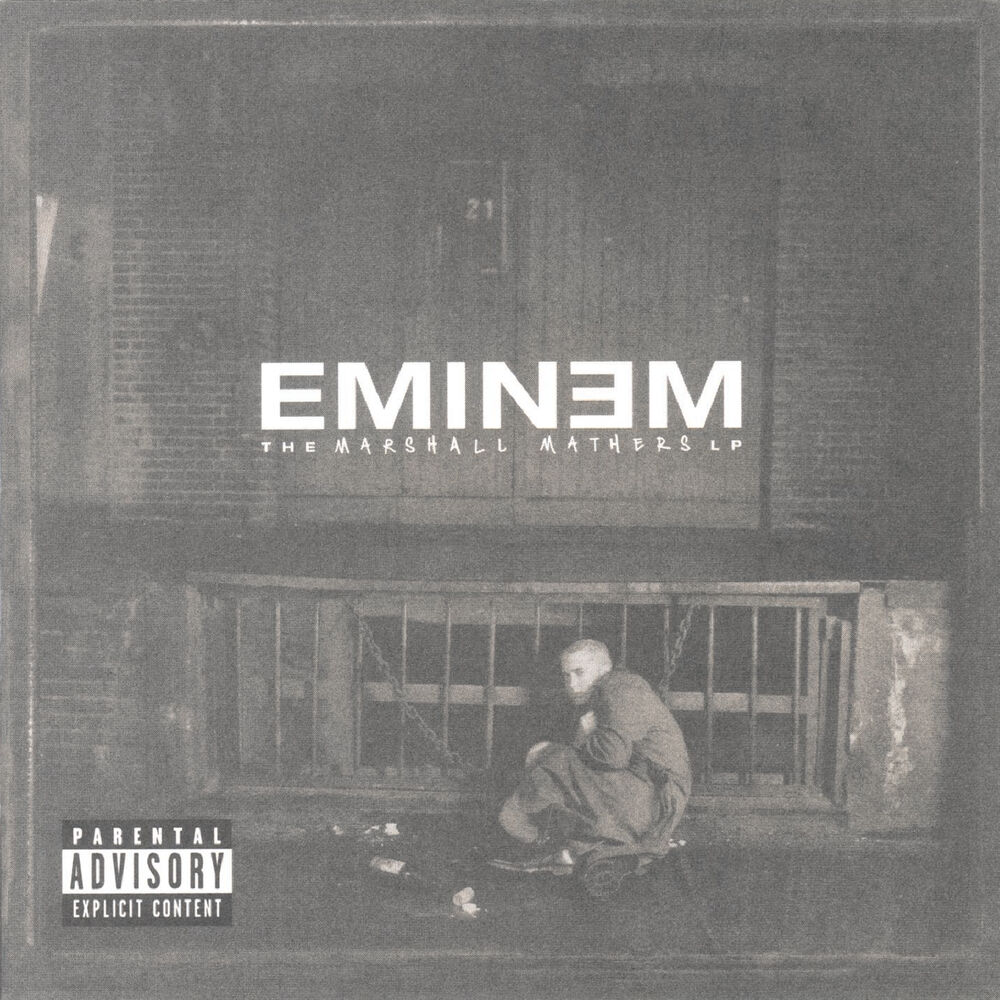
The Marshall Mathers LP
Eminem
Year
2000
Genre
Hip-Hop/RapLabel
Aftermath/Interscope
Format
Vinyl LP
“A controlled explosion of anger, dark humor, and technical virtuosity. 'Stan' invented a word. 'The Real Slim Shady' is the hook that won't leave your head. Confrontational and impossible to ignore.”
Marshall Bruce Mathers III, known as Eminem, emerged from Detroit's underground hip-hop scene in the late 1990s to become one of the best-selling artists of all time. His major-label debut 'The Slim Shady LP' (1999) introduced his provocative alter ego and earned a Grammy nomination, while 'The Marshall Mathers LP' (2000) became a cultural phenomenon, breaking sales records and establishing him as hip-hop's most controversial figure. His subsequent albums 'The Eminem Show' (2002) and 'Encore' (2004) maintained commercial dominance, though critical reception became more mixed. After a period of relative absence, he returned with 'Recovery' (2010) and 'The Marshall Mathers LP 2' (2013), demonstrating continued relevance and commercial appeal.
Style
Eminem is a rapper known for his technical virtuosity, complex internal rhyme schemes, and rapid-fire delivery. His style evolved from shock-rap provocation to more introspective storytelling, blending dark production with pop-influenced hooks.
Significance
Eminem's albums are highly collectible on vinyl, particularly his early Aftermath/Shady Records releases, which are sought after for their cultural impact and production quality. As a Caucasian artist who achieved unprecedented success in hip-hop, he fundamentally changed the genre's mainstream accessibility and remains central to late-90s/2000s hip-hop vinyl collecting.
The Marshall Mathers LP, released in May 2000, was recorded primarily at Eminem's home studio in Michigan and at various locations with producer Dr. Dre. The album marked a significant artistic evolution from his debut, showcasing more intricate wordplay and autobiographical depth. Working closely with Dre and additional producers like Mel-Man and the Bass Brothers, Eminem crafted tracks that dissected his rise to fame, fractured relationships, and inner turmoil. Notable collaborators included D12 members and featured artists on select tracks. The album's raw production style and Eminem's rapid-fire delivery on songs like 'Stan' and 'The Real Slim Shady' demonstrated his technical mastery. Recording sessions were intense and focused, with Eminem refining lyrics meticulously to achieve the precise cadences and multisyllabic rhyme schemes that became his signature.
Historical Context
Released during the peak of the late '90s hip-hop boom, The Marshall Mathers LP arrived as rap was becoming mainstream popular music. The album dominated commercially and critically, becoming one of the fastest-selling albums in history and winning multiple Grammy Awards. In 2000-2001, hip-hop's cultural prominence was undeniable, yet Eminem's explicit content and controversial persona sparked ongoing debates about artistic freedom versus social responsibility. The album's success on both rap and pop charts reflected hip-hop's crossover appeal. Radio stations heavily rotated 'The Real Slim Shady,' while 'Stan' became iconic for its narrative storytelling. The album received acclaim from critics who praised its technical execution, though controversy surrounded violent and misogynistic lyrical content.
Pressing Notes
The original 2000 Aftermath/Interscope pressing came as a standard black vinyl LP. Early pressings are generally considered the most collectible by purists. The album has been reissued multiple times, including 2020 expanded reissues and various anniversary editions. Collectors should note that different pressings may vary in sound quality and matrix information. The 2010 remaster and subsequent pressings are widely available but differ sonically from original pressings. No widely documented color vinyl variants exist from authorized releases, though bootlegs and unofficial pressings may circulate. The 12-inch LP format suits the album's dense production well, making original pressings sought after despite availability.
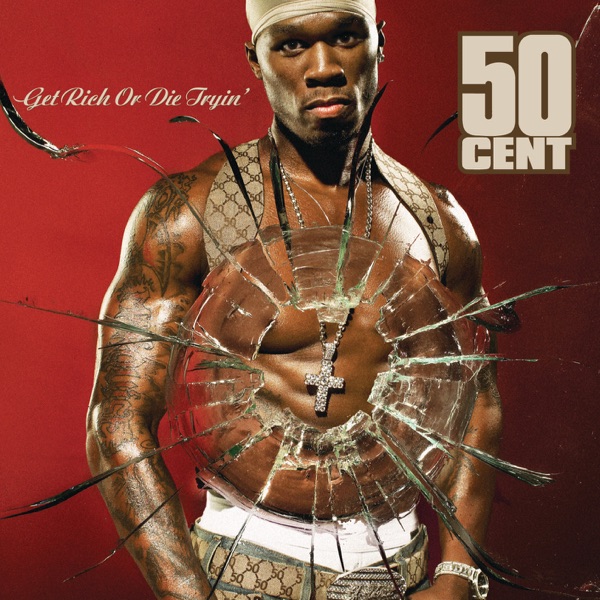
Get Rich or Die Tryin'
50 Cent
Features the same mid-2000s East Coast hip-hop production style with sharp, aggressive lyricism and introspective tracks that define the era.

Illmatic
Nas
A cornerstone of lyrical hip-hop with intricate wordplay and soulful production that influenced Eminem's own storytelling and flow techniques.

The Blueprint
Jay-Z
A defining late-90s/early-2000s hip-hop album with meticulous production, confident wordplay, and the same commercial appeal paired with authentic lyricism.
Also Appears On
Own this record? Track it in your collection.