#143 of 500
· Rolling Stone
“There's a case that The Velvet Underground deserves to be higher, but #143 is solid company. The Velvet Underground's work here (1969) is the kind of thing that makes you play both sides twice. The original pressing is the way in.”
The Velvet Underground, formed in 1964 in New York City by Lou Reed, John Cale, Sterling Morrison, and Maureen Tucker, became one of the most influential avant-garde rock bands despite minimal commercial success during their initial run. Led by Reed's songwriting and Cale's innovative production techniques, the band released four studio albums between 1967 and 1970 before disbanding. Their 1967 debut, produced by Andy Warhol, introduced their controversial blend of experimental rock, featuring feedback, dissonant strings, and lyrics addressing taboo subjects. Subsequent albums refined their sound while maintaining artistic integrity, with 1969's 'The Velvet Underground' (the third album) showcasing a more accessible, guitar-driven approach. Though they broke up in 1970, various reunions and live performances occurred, particularly in the 1990s.
Style
The Velvet Underground pioneered experimental rock and art rock, characterized by distorted guitars, unconventional song structures, droning viola, and Lou Reed's deadpan vocal delivery. Their sound merged avant-garde classical elements with rock, creating a sophisticated yet raw aesthetic that rejected mainstream pop conventions.
Significance
The Velvet Underground's influence on subsequent rock, punk, and alternative music is immeasurable, making their original vinyl releases—particularly the first album with Warhol's iconic banana cover—essential collectibles. For vinyl enthusiasts, their records represent a crucial bridge between classical avant-garde and rock music, with their original pressings highly sought after for both historical importance and sound quality.
The Velvet Underground's self-titled third album, released in March 1969, marked a significant shift toward accessibility after the experimental density of "White Light/White Heat." Recorded at TTG Studios in Hollywood and engineered by Val Valentin, the album saw the band working with producer Steve Sesnick, their manager, to craft a more straightforward rock sound. Lou Reed's songwriting became more personal and narrative-driven, exploring themes of love, loss, and urban life with newfound clarity. The addition of Doug Yule on keyboards and synthesizer added textural depth, while the rhythm section of Sterling Morrison and Maureen Tucker remained the driving force. The recording sessions were relatively smooth compared to previous albums, reflecting the band's growing maturity and desire to reach a wider audience.
Historical Context
Released in 1969, the album arrived as psychedelia was fading and rock music was fragmenting into harder and more introspective directions. Critics and mainstream audiences initially received it with mixed reactions—some found it too conventional compared to the band's avant-garde reputation, while others appreciated its melodic songwriting. The album failed to chart significantly upon release, but it has since been recognized as crucial to the development of rock music, influencing glam rock, punk, and alternative music throughout the following decades. By the early 1970s, reissues and growing recognition of the band's catalog elevated its status considerably among serious listeners.
Pressing Notes
The original 1969 MGM pressing (catalog SE-4617) is highly sought by collectors, particularly first pressings with the original gatefold artwork. Early pressings featured either a laminated or unlaminated front cover—both are desirable. Atlantic Records reissues from the 1970s exist but lack the original packaging appeal. Modern vinyl reissues from labels like Polydor and Craft Recordings offer improved mastering and sound quality but lack the vintage character collectors prize. Original copies in excellent condition command significant prices due to the album's historical importance and relative scarcity of well-preserved examples. Collectors should verify pressing information through the run-out grooves and label details.

Transformer
Lou Reed
Lou Reed's solo masterpiece maintains the raw experimental edge and lyrical sophistication of VU while exploring glam rock sensibilities.
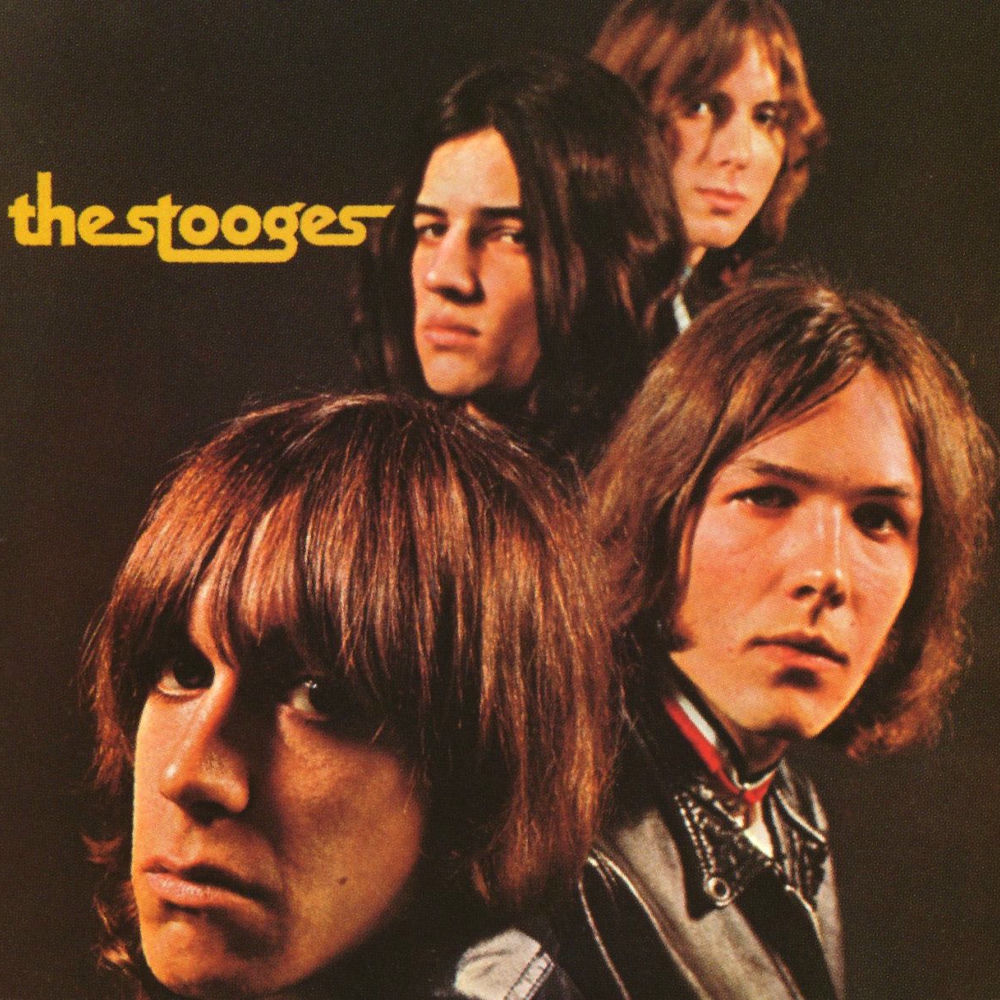
The Stooges
The Stooges
Contemporary protopunk pioneers sharing VU's raw production, distorted guitars, and willingness to challenge rock conventions with uncompromising vision.
Own this record? Track it in your collection.