#6 of 25
· Cratewise Editorial
Catch a Fire
Bob Marley & The Wailers
Year
1973
Genre
Reggae/DubLabel
Island
Format
Vinyl LP
“The album that introduced reggae to the rock world. Chris Blackwell at Island Records added rock overdubs, but the Jamaican bones — the Wailers' rhythms — are what endure. 'Stir It Up' and 'Concrete Jungle.'”
Bob Marley (1945-1981) emerged as Jamaica's most internationally influential musician, transforming reggae from a local sound into a global phenomenon. Beginning his career in the early 1960s with The Wailers, Marley crafted a distinctive blend of reggae, ska, and rock that resonated worldwide. His 1973 album 'Catch a Fire' marked his commercial breakthrough in the US and UK, while 'Rastaman Vibration' (1976) and the landmark live album 'Live!' (1975) solidified his superstar status. His magnum opus 'Exodus' (1977) became reggae's most successful album, addressing themes of spiritual redemption, social justice, and African identity through infectious melodies and socially conscious lyrics that reflected his deep Rastafarian faith.
Style
Bob Marley pioneered reggae's international sound by blending the genre's syncopated rhythms with rock sensibilities, warm vocals, and politically charged lyrics. His music incorporated elements of soul, folk, and funk while maintaining reggae's spiritual and cultural foundation.
Significance
Marley's vinyl records remain essential for any serious collector, with 'Exodus,' 'Catch a Fire,' and 'Legend' (his greatest hits compilation) among the best-selling reggae albums ever. He single-handedly elevated reggae to mainstream respectability and remains the genre's most commercially successful and culturally impactful artist, making his original pressings highly valued by collectors worldwide.
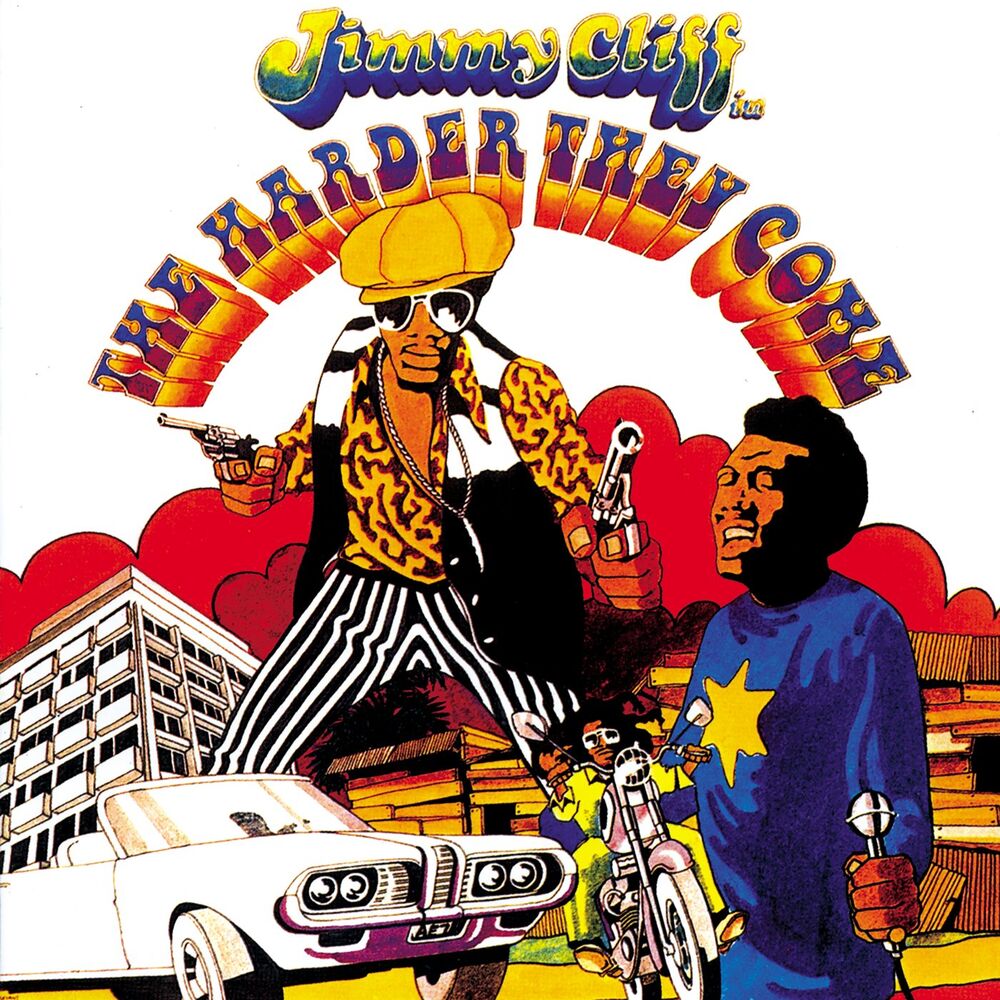
Catch a Fire, released in 1973, marked Bob Marley & The Wailers' debut for Island Records and their breakthrough into the international market. Recorded at Harry J Studio in Kingston, Jamaica, the album was produced by Jimmy Cliff's producer Leslie Kong and later remixed by Island's Chris Blackwell, who added overdubs and guitar work to enhance its commercial appeal. The album features the songwriting partnership of Bob Marley, Peter Tosh, and Bunny Wailer, showcasing their distinctive blend of reggae, ska, and soul influences. Key tracks like 'Concrete Jungle,' 'Slave Driver,' and 'Stop That Train' introduced the world to Marley's distinctive voice and the Wailers' tight, revolutionary sound. The sessions captured the raw energy of Jamaica's emerging reggae scene while establishing Marley as a major songwriting force.
Historical Context
Catch a Fire arrived during reggae's crucial transitional period, when the genre was beginning to break through internationally beyond Caribbean audiences. Released in April 1973, it came at a time of political turbulence in Jamaica, with themes of social injustice and spiritual liberation resonating powerfully. The album initially had modest commercial success in Jamaica but found significant receptivity in the UK and among progressive rock audiences in North America. Critics praised its authenticity and Marley's charismatic presence, establishing him as reggae's potential mainstream ambassador. The album's success paved the way for Marley's later dominance and reggae's eventual global acceptance.
Pressing Notes
The original Island Records pressing (ILPS 9202) featured the Chris Blackwell remix version with overdubbed guitars and horns, distinguishing it from earlier Jamaican releases. Early UK pressings are particularly sought after by collectors, with variations in label design and matrix numbers affecting value. The album has been reissued multiple times, including digitally remastered editions that sometimes restored elements closer to the original Jamaican versions. Collectors should note that different pressings can have notably different sonic characteristics due to Blackwell's production choices. The 1990 remaster and subsequent deluxe editions provide clearer sound quality, though purists often prefer original Island pressings for their historical authenticity and distinct character.
Own this record? Track it in your collection.