#7 of 25
· Cratewise Editorial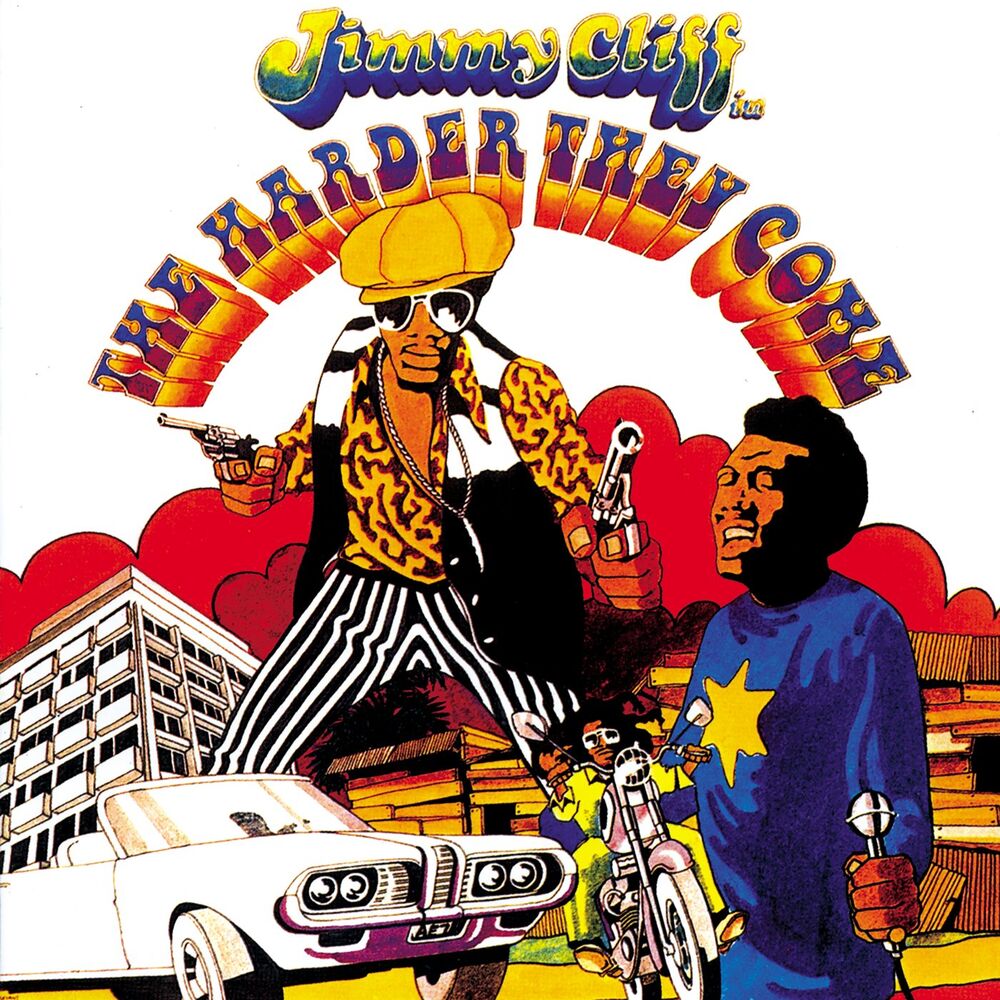
“The soundtrack that broke reggae internationally. 'You Can Get It If You Really Want' and the title track are anthems. The film and the music are inseparable.”
Jimmy Cliff is a pioneering Jamaican reggae artist born James Chambers in 1948 in Saint Catherine, Jamaica. He emerged in the mid-1960s and became one of the first reggae musicians to achieve international recognition, predating Bob Marley's global breakthrough. His 1972 album "The Harder They Come" and its accompanying film soundtrack became a watershed moment for reggae's introduction to world audiences, featuring the iconic title track. Cliff continued releasing influential albums through the 1970s and 1980s, including "Unlimited" (1973) and "Follow My Mind" (1975), showcasing his versatile approach to reggae, ska, and rock-influenced rhythms. Though he remained active internationally, his commercial peak came in the 1970s, establishing him as a foundational figure in reggae history alongside contemporaries like Bob Marley.
Style
Jimmy Cliff's music blends reggae, ska, and rock influences with powerful vocal delivery and socially conscious lyricism. His sound is characterized by uplifting melodies, infectious rhythms, and an energetic style that differs from the more meditative roots reggae of some contemporaries.
Significance
As one of reggae's first international crossover stars and the voice of 'The Harder They Come,' Cliff remains essential for vinyl collectors documenting reggae's global emergence and the genre's early commercial viability. His 1970s releases are highly sought-after originals that represent a pivotal moment in world music history.
"The Harder They Come" was recorded primarily in Jamaica during 1971-1972, capturing Jimmy Cliff at a creative peak following his breakthrough in reggae music. The album served as the soundtrack to Perry Henzell's influential film of the same name, in which Cliff also starred as the protagonist Ivan. The recording sessions brought together top Jamaican musicians and producers, with tracks featuring the distinctive rhythms and production styles characteristic of early 1970s Jamaica. Cliff's performances showcase his versatile vocal range, from the defiant title track to the soulful "Many Rivers to Cross." The album blended reggae, rocksteady, and soul influences, with Cliff's interpretations of both original compositions and covers demonstrating his artistic ambition to transcend reggae's emerging international boundaries.
Historical Context
Released in 1972, "The Harder They Come" arrived as reggae was gaining global recognition beyond Jamaica's borders. The film's cult success in art house cinemas helped propel the soundtrack to international audiences, making it one of the most significant reggae albums of the early 1970s. The album's commercial success and critical acclaim elevated reggae's profile worldwide, predating Bob Marley's mainstream breakthrough by several years. Culturally, the film's narrative about social struggle resonated during a period of global political activism, and the soundtrack became emblematic of reggae's potential as a vehicle for social commentary and artistic expression.
Pressing Notes
The original Island Records pressing (ILPS 9202) remains the most collectible version, with early UK pressings notable for their superior mastering and pressing quality. The album has been reissued multiple times on vinyl, including notable editions by Island in the 1980s and 2000s. Collectors should seek original 1972 pressings for the best sound quality and historical value. The gatefold cover design has remained largely consistent across pressings, though pressing plant variations and label details can help identify early editions. Original copies command premium prices in the used market due to the album's cultural significance and relatively modest initial pressing quantities.

Marcus Garvey
Burning Spear
This album shares the same era's reggae authenticity and spiritual depth, with powerful vocals and militant roots reggae instrumentation.

Funky Kingston
Toots and the Maytals
This album features similar upbeat reggae and ska influences with energetic vocals, capturing the same joyful yet rebellious spirit of early 1970s Jamaican music.
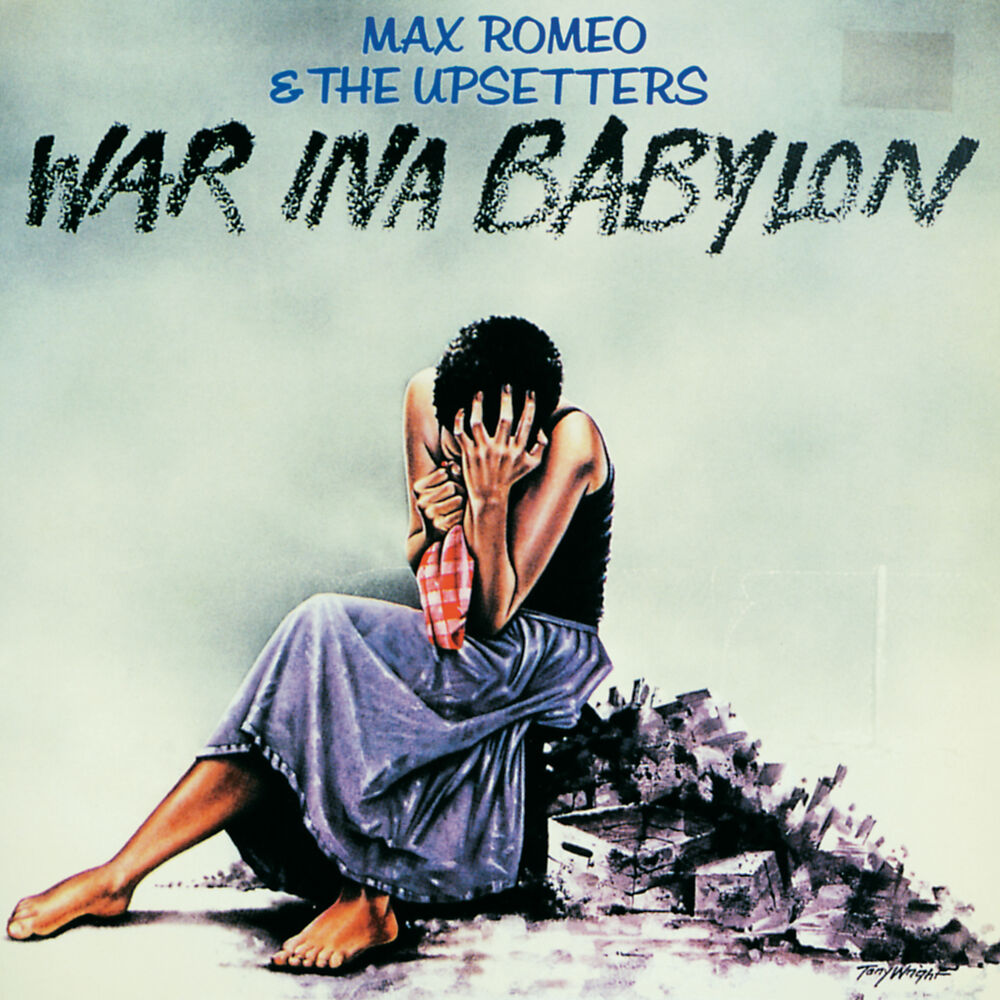
War Ina Babylon
Max Romeo
A roots reggae masterpiece with conscious lyrics and heavy dub production that resonates with collectors who appreciate The Harder They Come's socio-political undertones.
Own this record? Track it in your collection.