#323 of 500
· Rolling Stone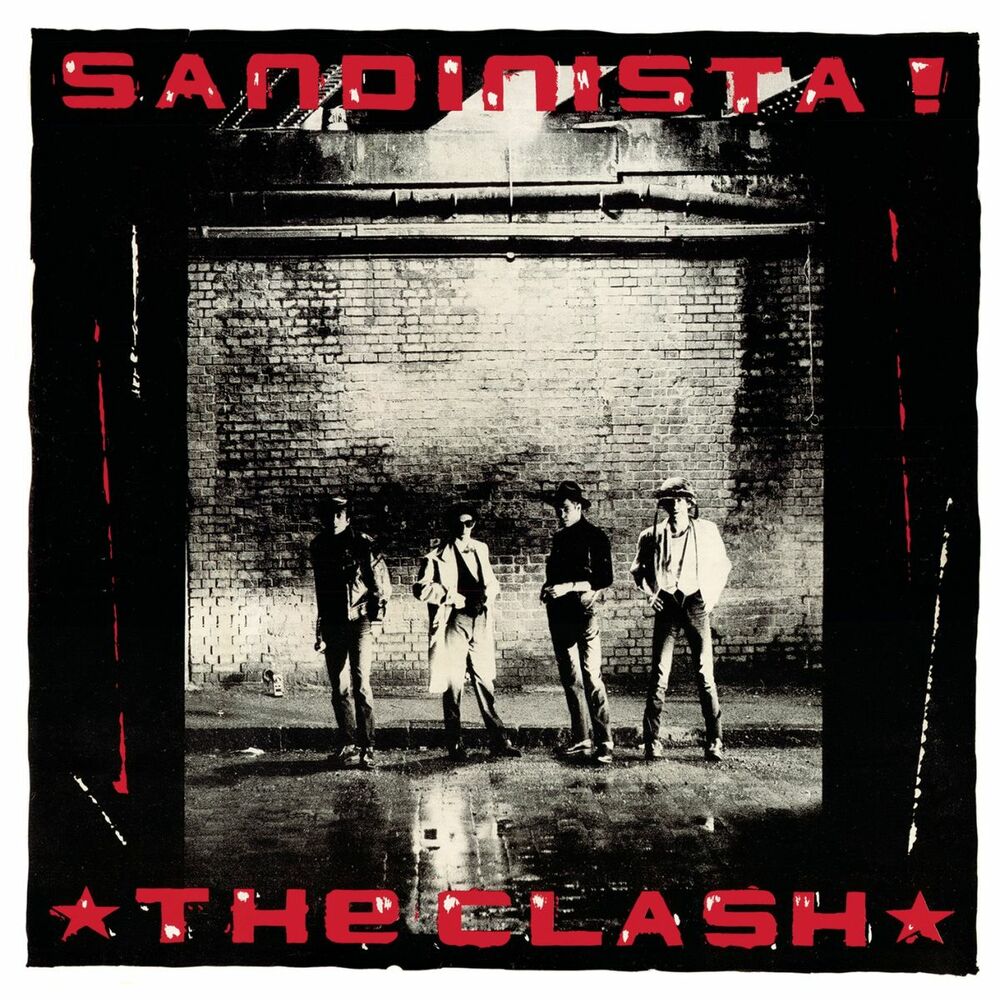
“#323 feels right for this one. Sandinista! is a product of the 1980s, and The Clash delivered something that still resonates. The original pressing rewards close listening on a good turntable.”
The Clash formed in London in 1976 as one of punk rock's most influential and politically conscious bands. Founded by Joe Strummer and Mick Jones, they quickly became synonymous with the punk movement's rebellious spirit while continuously pushing musical boundaries. The band's debut album, "The Clash" (1977), established their raw energy and social commentary. Their third album, "London Calling" (1979), is widely considered a masterpiece that expanded their sound to incorporate reggae, ska, and soul influences. Throughout their career, which lasted until 1986, The Clash released five studio albums that progressively blended punk with diverse genres. Albums like "Sandinista!" (1980) and "Combat Rock" (1982) demonstrated their willingness to experiment. The band's dissolution marked the end of a transformative era, though their influence on punk, new wave, and alternative rock remained immeasurable.
Style
The Clash pioneered politically charged punk rock with rock-solid rhythm sections and socially conscious lyrics, progressively incorporating reggae, ska, funk, and world music elements to create a unique fusion sound that transcended genre conventions.
Significance
The Clash are essential to any serious rock collection, with "London Calling" being one of the most lauded albums in vinyl history. Their records are prized by collectors for both their sonic innovation and historical importance in punk and post-punk rock movements.
Sandinista! was recorded across multiple sessions in 1979-1980 at various London studios, including Electric Lady and Wessex. The Clash, particularly Joe Strummer and Mick Jones, embraced a more experimental and expansive approach than previous work, incorporating reggae, funk, and dub influences alongside punk rock. Producer Bill Price returned to work with the band, though the sessions were notably chaotic and costly, contributing to the album's ambitious but sometimes unfocused character. The triple album format allowed the band to explore diverse sonic territories, from the anthemic "Bank Robber" and "The Call Up" to reggae reinterpretations and instrumental dub pieces. Recording tensions and creative differences were evident, but the sheer volume of material and eclecticism reflected the band's refusal to be confined to punk conventions.
Historical Context
Released in December 1980, Sandinista! arrived at a pivotal moment when punk was fragmenting into post-punk and new wave territories. The album's title referenced Nicaragua's Sandinista revolution, reflecting The Clash's overtly political stance—rare for mainstream rock acts at the time. Critics were divided: some praised the band's ambition and eclecticism, while others found the triple album indulgent and unfocused. It nonetheless demonstrated The Clash's cultural reach and refusal to compromise commercially, though it sold fewer copies than London Calling and marked a transition period before Combat Rock.
Pressing Notes
The original 1980 UK release was a triple album on three 12" LPs with a distinctive gatefold package designed by Ray Lowry. Early pressings featured embossed covers and varied vinyl quality typical of the era. The album has been reissued multiple times, including a 2013 remaster on 180-gram vinyl, which significantly improved audio fidelity from original pressings. Collectors should note that original pressings vary in quality and pressing weight; early 1980 UK CBS pressings are generally preferred by audiophiles despite wear issues. A deluxe reissue campaign in the 2010s introduced cleaner masterings, though purists debate whether they capture the album's original aesthetic.

London Calling
The Clash
An essential companion that showcases The Clash's genre-blending approach with reggae, new wave, and rockabilly influences alongside their punk foundation.

Fresh Fruit for Rotting Vegetables
The Dead Kennedys
A politically charged punk album with similar urgency and eclecticism, combining aggressive instrumentation with sharp social commentary.

Entertainment!
Gang of Four
A post-punk album that parallels Sandinista!'s experimental production and incorporation of funk and dub elements while maintaining punk's edgy attitude.
Own this record? Track it in your collection.