#13 of 25
· Cratewise Editorial
“Miles Davis sideman date? That's what the label said. But Cannonball owns this record — 'Autumn Leaves' here is the definitive version.”
Julian Edwin "Cannonball" Adderley (1928-1975) was a jazz alto saxophonist who became one of the most commercially successful and accessible jazz musicians of his era. Born in Tampa, Florida, he initially pursued teaching but turned to music full-time after military service. Adderley co-led the Cannonball Adderley Quintet with his cornet-playing brother Nat, which became famous for blending hard bop with soul jazz and funk influences. His most iconic recording, "Mercy, Mercy, Mercy!" (1966), became a crossover hit and introduced many listeners to jazz. Throughout the 1960s, he recorded prolifically for the Mercury and Capitol labels before his death in 1975, leaving behind a catalog of over 80 albums that showcased his warm tone and soulful approach to the instrument.
Style
Adderley was a hard bop and soul jazz pioneer known for his warm, round alto saxophone tone and energetic playing style. His music incorporated blues, gospel, and funk elements, making it more accessible than bebop while maintaining artistic depth.
Significance
Cannonball Adderley remains a cornerstone artist for vinyl collectors interested in 1960s jazz, particularly those seeking the intersection of commercial appeal and musical substance. His albums are highly sought after and represent a pivotal moment when jazz reached mainstream audiences without sacrificing integrity.
Recorded in March 1958 at Columbia's 30th Street Studio in New York, Cannonball Adderley's 'Somethin' Else' stands as one of jazz's greatest small-group recordings. The album was led by alto saxophonist Adderley but featured Miles Davis on trumpet as the nominal leader, a billing arrangement that brought star power and creative synergy. The quintet included Hank Jones on piano, Sam Jones on bass, and Art Blakey on drums. The sessions captured spontaneous, interaction-driven jazz with Adderley's soulful alto work and Davis's cool trumpet trading ideas across standards and original compositions. The album's accessibility—blending hard bop sophistication with melodic warmth—made it appealing to both dedicated jazz fans and broader audiences.
Historical Context
Released in 1958, 'Somethin' Else' emerged during jazz's golden age when the hard bop movement was reaching its creative peak. The late 1950s saw jazz pushing beyond cool jazz's intellectualism while maintaining harmonic sophistication. Miles Davis was at the height of his influence, and pairing him with Adderley created one of the era's most compelling collaborations. The album received immediate critical acclaim and became one of Columbia Records' flagship jazz releases, helping establish Adderley as a major voice in his own right rather than solely as his brother Nat's sidekick. It remains foundational to understanding late 1950s jazz.
Pressing Notes
The original 1958 Columbia pressing (CL 1312, mono; CS 8052, stereo) is highly sought after by collectors. Early pressings featured the classic 'six-eye' Columbia label design. The mono version is often preferred by purists for its full-bodied sound and the way it captures the ensemble's tight interplay. Later reissues appeared on CBS and Sony labels with varying sound quality. Collectors should seek original first pressings in good condition; the stereo mix, while convenient, spreads the instruments across channels in ways that don't always serve the music as well as the mono master. Various audiophile reissues and Mobile Fidelity pressings offer improved sonics for modern listeners.
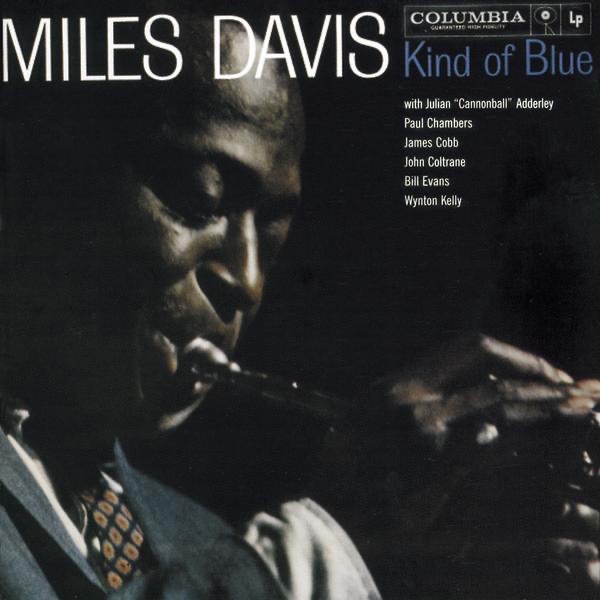
Kind of Blue
Miles Davis
A modal jazz masterpiece with similarly warm, accessible horn arrangements and contemplative sophistication that defines the era.

Moanin'
Art Blakey & The Jazz Messengers
Shares Adderley's focus on soulful, blues-influenced hard bop with stellar horn section chemistry and infectious rhythm arrangements.

The Incredible Jazz Guitar of Wes Montgomery
Wes Montgomery
Features the same mid-1950s hard bop aesthetic with soulful melodicism and excellent rhythm section work that complements Adderley's sensibilities.
Own this record? Track it in your collection.