#69 of 100
· Cratewise Editorial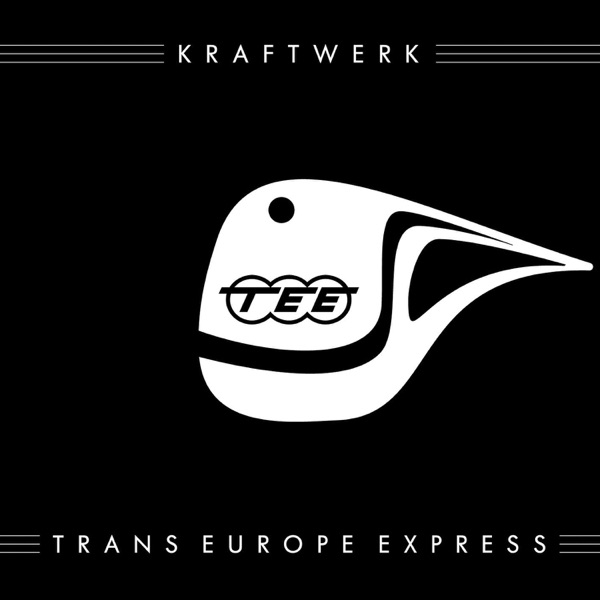
Trans-Europe Express
Kraftwerk
Year
1977
Genre
ElectronicLabel
Kling Klang
Format
Vinyl LP
“Trans-Europe Express lands here because it's the perfect bridge between Kraftwerk's experimental foundations and their pop accessibility—without sacrificing an ounce of vision. That title track is an absolute needle drop classic, but I'm equally captivated by "Europa Infinita" and the hypnotic "The Robots" on side B. This 1977 Kling Klang pressing captures the band at their most confident, treating the synthesizer not as a gimmick but as a legitimate instrument capable of genuine emotion. It's essential wax for anyone chasing the DNA of modern electronic music.”
Kraftwerk, founded in Düsseldorf, Germany in 1970 by Ralf Hütter and Florian Schneider, pioneered electronic music and became one of the most influential bands of the 20th century. Their early work evolved from experimental krautrock into synth-pop perfection with albums like Autobahn (1974) and The Robots (1978). Throughout the 1970s and 1980s, they revolutionized music production through meticulous use of synthesizers, vocoders, and sequencers, creating a distinctive aesthetic that merged man and machine. Their albums Man-Machine (1978) and Computer World (1981) remain essential listening, influencing genres from hip-hop to house music. Kraftwerk's approach to performance art, featuring minimalist presentation and innovative live shows, established them as visionaries beyond traditional rock conventions.
Style
Kraftwerk pioneered electronic pop and synth-pop, blending German krautrock experimentation with metronomic precision, analog synthesizers, and robotic vocals. Their sound emphasizes mechanical rhythm, melodic simplicity, and technological innovation.
Significance
Kraftwerk's vinyl records are cornerstone purchases for electronic music collectors and anyone studying modern music's foundation. Their albums established the template for electronic pop and influenced hip-hop sampling culture, making their LPs highly sought after for both sonic quality and historical importance.
Trans-Europe Express, released in 1977, marked Kraftwerk's consolidation of their electronic sound into a more accessible, dance-oriented direction. Recorded primarily at Kling Klang Studio in Düsseldorf, the album was produced by the core Kraftwerk lineup of Ralf Hütter, Florian Schneider, Karl Bartos, and Wolfgang Flür. The title track and centerpiece was inspired by the luxurious European passenger train service, reflecting the band's fascination with transportation and modernity. Hütter and Schneider crafted intricate synthesizer arrangements that balanced mechanical precision with unexpected melodic warmth, while the rhythm section provided hypnotic, minimalist grooves. The album's sound emerged from the band's exploration of rhythm-based composition, deliberately moving away from the more experimental textures of earlier work toward structures that emphasized groove and repetition.
Historical Context
Trans-Europe Express arrived during the height of the mid-1970s electronic music explosion and perfectly captured the zeitgeist of punk and post-punk emergence, though Kraftwerk's sophisticated approach contrasted sharply with punk's raw energy. The album resonated with both avant-garde listeners and club dancers, presciently influencing the emerging electronic dance music and industrial scenes. It became hugely influential in hip-hop production decades later, particularly the title track's use of sampling. Upon release, it received critical acclaim for its polished production and innovative use of synthesizers, establishing Kraftwerk as visionaries in electronic music and securing their cultural status beyond experimental circles.
Pressing Notes
The original 1977 release came on Philips/Vertigo labels with varying pressings across territories. Early German pressings featured the distinctive gatefold artwork with the train imagery and are highly sought by collectors. The album has been reissued multiple times, including audiophile-quality pressings emphasizing the album's pristine production. Collectors should note that different pressings can vary in sound quality and thickness of vinyl; original pressings tend to fetch premium prices. The 2009 Astralwerks remaster on 180-gram vinyl provided improved fidelity for modern listening, though purists often prefer original pressings for their particular character and sonic signature.
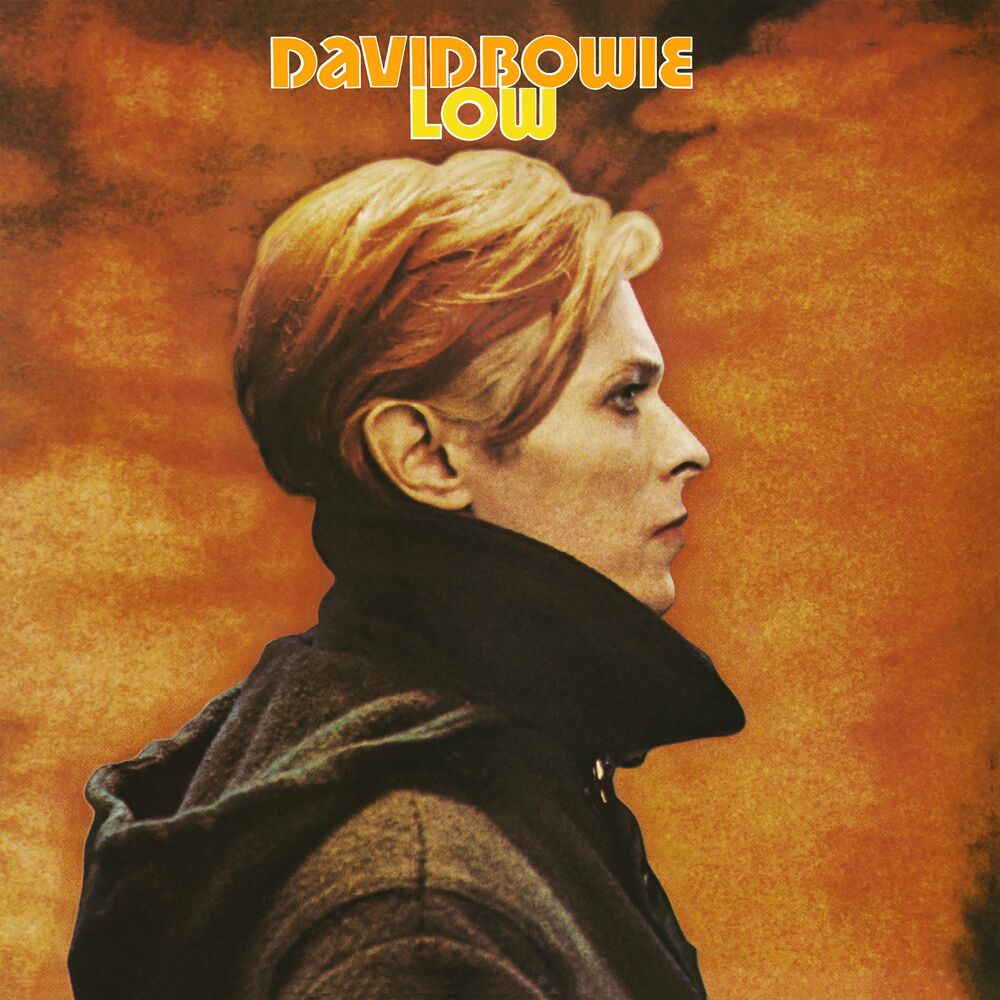
Low
David Bowie
Directly influenced by Kraftwerk's sound, this Berlin Trilogy album features similar minimalist electronic textures and experimental song structures.

Phaedra
Tangerine Dream
Pioneering electronic synthesizer work with motorik-influenced rhythms that parallels Kraftwerk's fusion of mechanical precision with melodic sophistication.
Also Appears On
Apple Music 100 Best Albums
“Kraftwerk at 71 feels undersold for an album that basically invented electronic pop's template. Trans-Europe Express is the moment they went from experimentalists to prophets—that title track's hypnotic groove and vocoder-treated vocals became the blueprint for everything from New Wave to hip-hop sampling culture. The Kling Klang pressing captures their meticulous production philosophy perfectly, every synth line crystalline and purposeful. If this list is ranking influence and listenability equally, I'd argue it belongs higher.”
Essential Electronic on Vinyl
“Afrika Bambaataa sampled it and created hip-hop's template. Kraftwerk turned the machine into a musical instrument. This is the hinge between analog and digital worlds.”
Own this record? Track it in your collection.