#68 of 100
· Cratewise Editorial
“This one sits at 68 because it's where accessibility meets genuine artistic depth—Automatic for the People is the moment R.E.M. proved they could write genuinely moving songs without sacrificing their art-rock chops. The needle drop on "Nightswimming" alone justifies the placement, but what kept it from climbing higher is that it marks their drift toward mainstream palatability. Still, the original Warner Bros. pressing captures something special in the production that later reissues struggle to match—there's a warmth to the arrangements that makes this essential listening, especially on vinyl where you can really hear how carefully orchestrated these tracks are.”
R.E.M. formed in Athens, Georgia, in 1980, with Michael Stipe on vocals, Peter Buck on guitar, Mike Mills on bass, and Bill Berry on drums. The band emerged from the post-punk underground scene and became one of the most influential rock groups of the 1980s and 1990s. Their early albums, including 'Murmur' (1983) and 'Reckoning' (1984), featured Stipe's enigmatic vocals and Buck's jangly guitar work, establishing them as college radio staples. R.E.M. achieved mainstream success with 'Document' (1987) and 'Green' (1988), followed by the massive commercial breakthrough 'Out of Time' (1991), which topped charts worldwide. The band continued to evolve through the 1990s and 2000s with critically acclaimed albums like 'Automatic for the People' (1992) and 'New Adventures in Hi-Fi' (1996), before disbanding in 2011.
Style
R.E.M. is primarily an alternative rock band known for their blend of post-punk influences, jangly guitar-driven melodies, and introspective lyricism. Their sound evolved from angular underground rock to polished alternative pop-rock, incorporating elements of folk, soul, and experimental arrangements.
Significance
R.E.M. is essential to vinyl collectors as pioneers of alternative rock who bridged underground and mainstream audiences. Their extensive catalog, distinctive album artwork, and the sonic qualities of their vinyl pressings—particularly their earlier college radio era albums—make them highly sought after by collectors.
Automatic for the People, R.E.M.'s ninth studio album, was recorded primarily at Bearsville Studios in Woodstock, New York, during late 1991 and early 1992. The band worked with producer Scott Litt, who had collaborated with them since Document (1987). The album marked a significant sonic shift toward introspective, acoustic-driven arrangements and orchestral elements. Michael Stipe's lyrics became more explicitly personal and melancholic, exploring themes of mortality, mortality, and alienation. Notable contributors included string arranger John Paul Jones (Led Zeppelin) and cellist Jane Scarpantoni. The recording sessions were relaxed and exploratory, with the band experimenting extensively with different textures and instrumentation, resulting in a more polished, pop-oriented sound compared to their earlier work.
Historical Context
Released in October 1992, Automatic for the People arrived during a transitional moment in alternative rock's mainstream ascendancy. Following the massive success of Out of Time (1991), R.E.M. was at peak commercial visibility. The album resonated deeply with early-'90s sensibilities—its melancholic tone aligned with the grunge-influenced cultural moment, yet its sophisticated production and literary lyrics appealed to a broader demographic. It debuted at number two on the Billboard 200 and eventually reached multi-platinum status worldwide. Critics praised its emotional depth and artistic maturity, establishing R.E.M. as serious artists rather than mere alternative rock novelties. The album's success proved that intelligent, introspective pop-rock could dominate mainstream charts.
Pressing Notes
The original Warner Bros. LP pressing (9 26496-1) featured both standard black vinyl and early audiophile editions. Collectors should note that first pressings from 1992 often display superior sound quality compared to later reissues. The album has been reissued multiple times, including a 2001 remaster and various special editions. In 2011, a deluxe reissue with bonus tracks and expanded packaging became available. The original gatefold jacket includes detailed credits and Stipe's intricate artwork. Vinyl versions are readily available on the secondary market, though early pressings command premiums. The double LP format on some reissues should be verified, as the original was a single LP pressing.

Doolittle
Pixies
Shares the same alternative rock sensibility with dynamic quiet-loud song structures and introspective lyrics that influenced R.E.M.'s style.
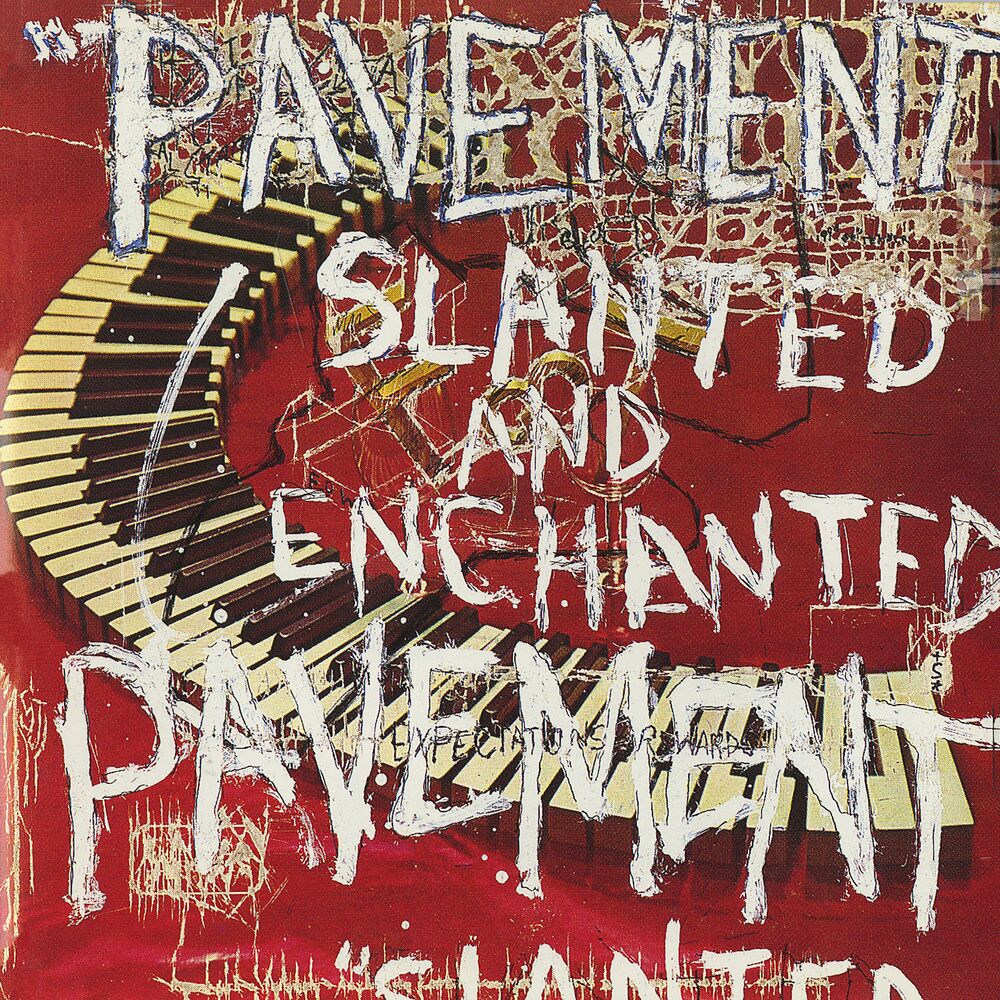
Slanted and Enchanted
Pavement
Captures the slacker rock aesthetic and lo-fi alternative rock charm that parallels R.E.M.'s understated emotional resonance.

Yankee Hotel Foxtrot
Wilco
Blends experimental alt-rock with melodic sensibilities and existential themes that echo Automatic for the People's introspective depth.
Also Appears On
Own this record? Track it in your collection.