#67 of 100
· Cratewise Editorial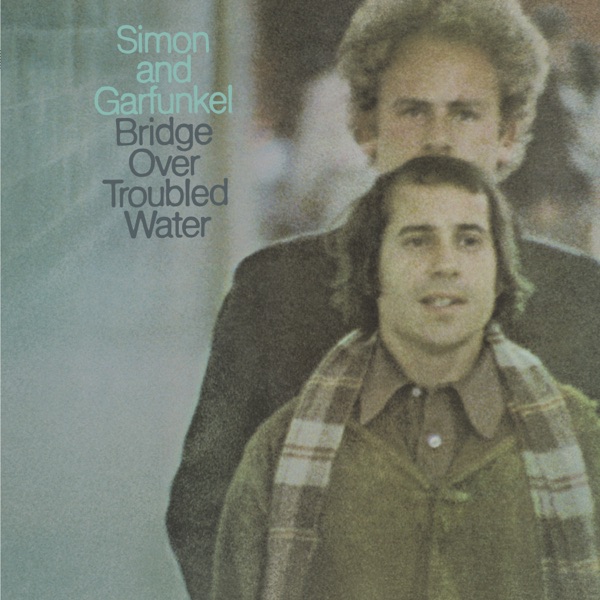
Bridge Over Troubled Water
Simon & Garfunkel
Year
1970
Genre
FolkLabel
Columbia
Format
Vinyl LP
“This one's here because it's the rare folk-pop crossover that doesn't compromise on either front. "Bridge Over Troubled Water" captured lightning in a bottle—those lush arrangements and Paul Simon's storytelling prowess made it inescapable in 1970, and the title track still hits like a needle drop moment. The early pressings have that warm, almost orchestral quality that later reissues never quite recapture. It's essential listening, sure, but I placed it at 67 rather than higher because it's more of a perfect pop album than a deep vinyl journey—it doesn't ask you to flip sides and discover something new the way the truly great records do.”
Simon & Garfunkel, the folk-rock duo of Paul Simon and Art Garfunkel, emerged from New York in the early 1960s as Tom & Jerry before reforming under their now-iconic name in 1964. Their breakthrough came with the 1966 album 'Parsley, Sage, Rosemary and Thyme,' but they achieved massive commercial and critical success with 'The Sound of Silence' (1966) and especially 'Bridge Over Troubled Water' (1970), which became one of the best-selling albums of all time. The duo's sophisticated arrangements, poetic lyrics, and Garfunkel's distinctive tenor vocals defined the sound of late-1960s popular music. Though they disbanded in 1970, their reunion concerts and subsequent tours cemented their legacy as one of the most influential folk-rock acts of their era.
Style
Simon & Garfunkel pioneered intelligent folk-rock with carefully crafted harmonies, acoustic guitars, and orchestral arrangements. Their sound blended contemporary songwriting with lush production and introspective lyrics exploring themes of alienation, love, and social commentary.
Significance
The duo's albums are cornerstone releases in vinyl collecting, particularly 'Bridge Over Troubled Water' and 'The Sound of Silence,' valued for their pristine production quality and historical importance in 1960s-70s popular music. Their records exemplify the era when pop music achieved both commercial success and artistic depth, making them essential to any serious collector's library.
Bridge Over Troubled Water was recorded between 1969 and 1970 at Columbia Records' studios in New York, marking Simon & Garfunkel's fifth and final studio album together. Paul Simon wrote most of the material during a period of creative tension between the duo; the title track emerged as an unexpected centerpiece when Simon composed it as a solo piano piece, with Art Garfunkel's soaring vocals becoming the emotional anchor. The album showcased diverse influences including gospel, country, and orchestral arrangements by Phil Ramone and Roy Halee. Key collaborations included pianist Billy Preston, who contributed to multiple tracks, and orchestral arrangements that gave the album a lush, cinematic quality distinct from their earlier folk-rock sound.
Historical Context
Released in January 1970, Bridge Over Troubled Water arrived at a moment when the folk-rock movement was fragmenting and artists were experimenting with broader sonic palettes. The album became a massive commercial and critical success, spending six weeks at number one on the Billboard 200 and becoming one of the best-selling albums of the 1970s. The title track became an enduring standard, covered extensively and earning Grammy recognition. The album's success proved that Simon & Garfunkel could transcend their acoustic roots while the duo's underlying tensions suggested this would be their last collaboration for many years.
Pressing Notes
The original 1970 Columbia pressing (KC 30591) features a gatefold sleeve with iconic artwork by Richard Avedon. Early stereo pressings are highly sought by collectors, particularly those with 'Columbia' in white letters and original inner sleeves. Later pressings from the 1980s and beyond exist in abundance. The 2011 Legacy remaster offers improved sound quality. Collectors should note that Japanese and European pressings sometimes differ in matrix numbers and pressing quality. Original first pressings command premium prices, especially in excellent condition with original inserts.

Blue
Joni Mitchell
A quintessential folk album with introspective lyrics, pristine acoustic arrangements, and emotional depth that parallels the intimacy of 'Bridge Over Troubled Water.'

Sweet Baby James
James Taylor
A warm, acoustic-driven folk album with gentle melodies and confessional songwriting that shares the same contemplative spirit and instrumentation.
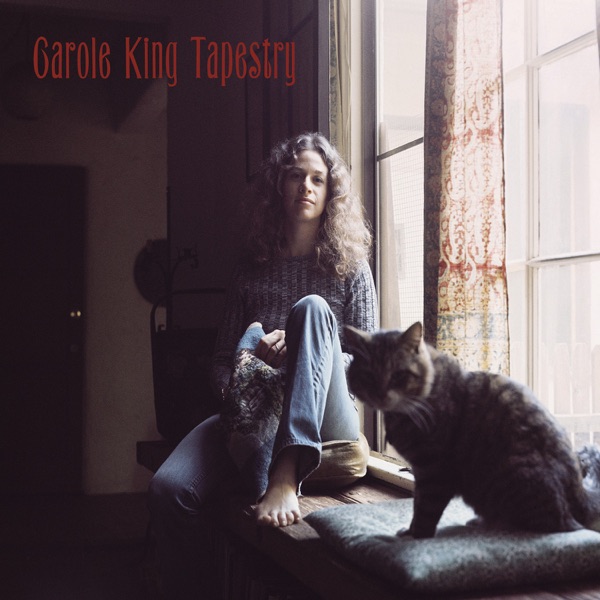
Tapestry
Carole King
An iconic folk-pop album featuring rich vocal harmonies, sophisticated piano arrangements, and emotionally resonant storytelling similar to Simon & Garfunkel's approach.
Also Appears On
Own this record? Track it in your collection.