#58 of 100
· Cratewise Editorial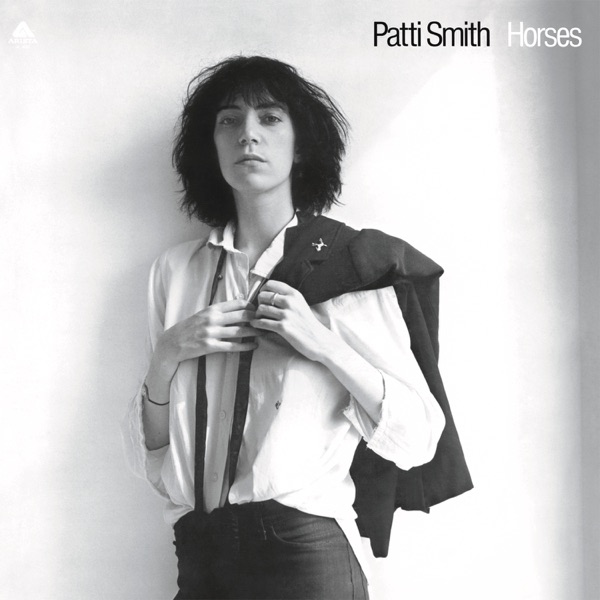
“Horses at 58 feels right—this is where punk's literary ambition meets raw necessity. Smith's debut is that rare first record that genuinely changed everything, from her spoken-word needle drop on "Babelogue" to the absolutely primal cover of "Gloria." The original pressing captures something untamed about 1975 that later reissues can't quite touch. I put it here because it's essential listening, but it's not Rumours or Nevermind; it's the album that made those records possible.”
Patti Smith emerged from the New York punk scene in the mid-1970s as a poet-musician who helped bridge punk rock with literary sensibility. Her 1975 debut album "Horses," produced by John Cale, introduced her distinctive vocal style and poetic lyrics that challenged conventional rock music. Throughout the 1970s and 1980s, Smith released influential albums including "Radio Ethiopia" (1976), "Easter" (1978)—which featured the hit "Because the Night" co-written with Bruce Springsteen—and "Wave" (1979). After stepping back from music in the 1980s, she returned with "Dream of Life" (1988) and continued recording and performing. Her 2007 album "Twelve" won a Grammy, and she remains an active recording and touring artist, publishing poetry and memoir collections alongside her music career.
Style
Smith's work combines punk rock energy with poetic, literary lyrics and art-rock experimentation. Her vocal delivery ranges from spoken-word passages to powerful sung melodies, creating a distinctive style that influenced post-punk and alternative rock.
Significance
As the 'Punk Poet Laureate,' Smith is essential to vinyl collectors interested in punk's origins and artistic ambitions. Her albums are foundational documents of 1970s rock, and her influence on subsequent generations of artists makes her catalog vital for collectors of progressive punk and alternative music.
Patti Smith's debut album 'Horses' was recorded in the summer of 1975 at Electric Lady Studios in New York, with producer John Cale—who brought his experimental rock sensibilities from his Velvet Underground days. Smith had been performing poetry and music in New York's underground scene, and the album captures her raw fusion of punk energy, literary ambition, and rock tradition. The record features her backing band including Lenny Kaye (guitar), Ivan Kral (guitar/bass), Jay Dee Daugherty (drums), and Richard Sohl (keyboards). Smith's visceral vocal delivery and poetic lyrics—influenced by Rimbaud, Jim Morrison, and William Blake—define tracks like 'Gloria' (a rewrite of Van Morrison's song) and 'Land.' The sessions were intense and focused, with Smith and Cale pushing the boundaries of what punk-adjacent rock could express artistically.
Historical Context
Released in December 1975, 'Horses' arrived at the pivotal moment when punk was emerging from New York's underground clubs. Unlike the stripped-down aggression of the Ramones or Sex Pistols, Smith offered intellectual punk—art rock that honored rock's past while exploding its conventions. The album received significant critical acclaim and is now regarded as a landmark of the punk era, though it was somewhat commercially modest initially. It established Smith as a vital voice in rock and influenced countless post-punk and alternative artists. The album's success helped validate punk as artistically serious rather than merely disposable.
Pressing Notes
The original 1975 Arista pressing featured the iconic Robert Mapplethorpe photograph of Smith on the cover. Early pressings are highly collectible, particularly first pressings with original gatefold packaging and the embossed cover detail. The album has been reissued multiple times over the decades on vinyl, including audiophile reissues. Collectors should note that various pressings exist with different label designs and matrix variations. A 2017 deluxe reissue included bonus material and superior sound quality from remastering. Original pressings can command significant prices depending on condition and pressing plant details, making this an album worth seeking in good condition for serious collectors.
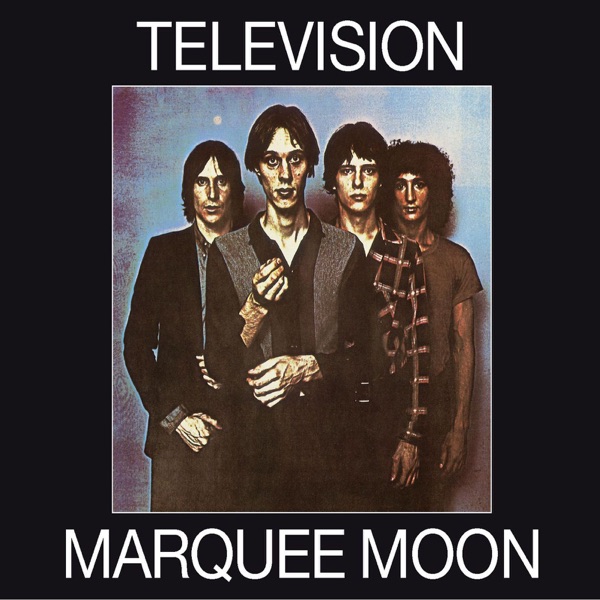
Marquee Moon
Television
A proto-punk landmark with the same art-rock sensibility and raw guitar intensity that defines Horses' pioneering sound.

The Ramones
The Ramones
The definitive first-wave punk album that shares Horses' stripped-down energy and rebellious spirit from the same CBGB era.

Daydream Nation
Sonic Youth
Combines avant-garde experimentation with punk urgency, capturing the same artistic ambition and guitar-driven intensity as Horses.
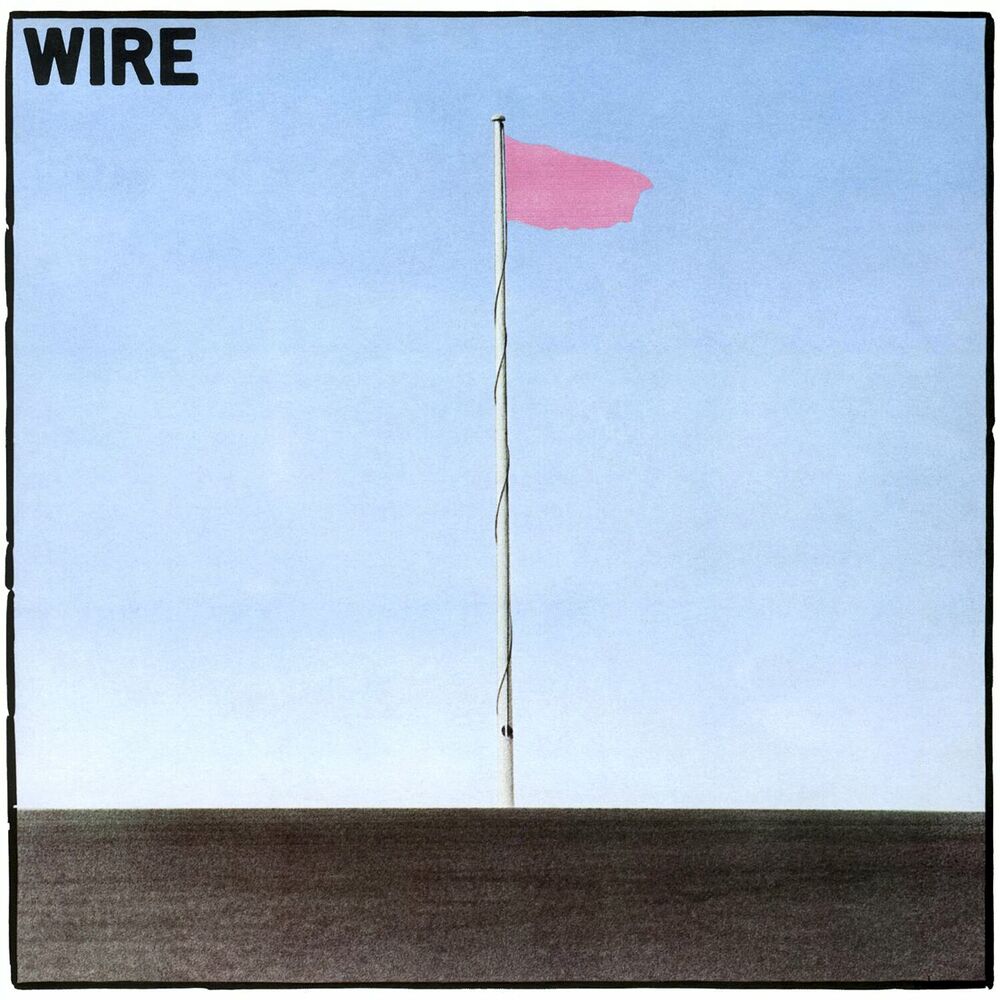
Pink Flag
Wire
A tight, innovative punk record that prioritizes sharp songwriting and sonic exploration over convention, matching Horses' artistic integrity.
Also Appears On
Debut Albums
“'Jesus died for somebody's sins but not mine.' Punk's first great album and its most literary. Mapplethorpe's cover is as iconic as the music.”
Essential Punk & Post-Punk on Vinyl
“Poetry and punk fused before punk had a name. Mapplethorpe's cover. 'Gloria' reimagined. The opening line is the manifesto: 'Jesus died for somebody's sins but not mine.'”
Apple Music 100 Best Albums
“Horses at 83 feels criminally low for an album that basically invented punk's literary soul. Patti's debut is all raw nerve endings and poetic fury—that opening needle drop on "Gloria" is a statement of intent that still lands like a punch. The real power here isn't the three-chord aggression; it's how Smith weaponizes language and vulnerability, turning side A into a manifesto. This should sit comfortably in the top fifty on any serious best-of list, but I'm not mad it's here—any ranking that includes it at all gets points.”
Rolling Stone's 500 Greatest Albums of All Time
“Robert Mapplethorpe took the cover photo, John Cale produced, and Patti opened with 'Jesus died for somebody's sins, but not mine.' The Arista first pressing is the birth of punk's literary wing. 'Gloria' and 'Land' bridge rock and poetry like nothing before or since.”
Own this record? Track it in your collection.