#59 of 100
· Cratewise Editorial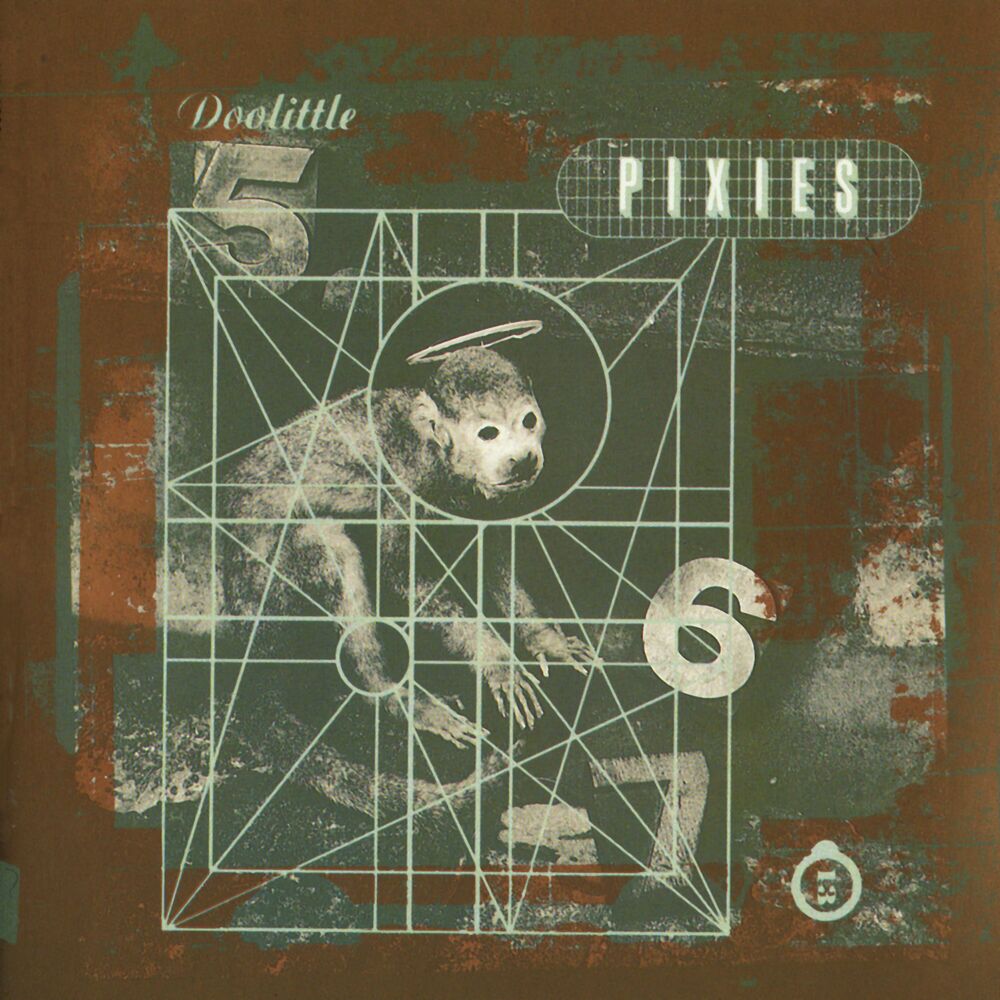
“Doolittle lands here because it's the blueprint for alternative rock's most potent trick—burying hooks so infectious they feel dangerous. Kim Deal's bass work on "There Goes My Gun" and Black Francis's controlled-chaos vocal delivery made this 4AD pressing essential listening for anyone building a serious collection. It's not their debut's raw revelation or Surfer Rosa's blown-speaker intensity, but it's where the Pixies proved they could write songs as clever as they were chaotic. Every needle drop reminds you why this influenced a generation of bands trying to balance pop sensibility with genuine weirdness.”
Pixies were an American alternative rock band formed in Boston in 1986, consisting of Black Francis (vocals), Kim Deal (bass), Joey Santiago (guitar), and David Lovering (drums). The band released four studio albums between 1988 and 1991 before breaking up, becoming hugely influential despite limited commercial success during their initial run. Their debut 'Surfer Rosa' (1988) and follow-up 'Doolittle' (1989) established their signature loud-quiet-loud dynamics and surrealist lyrics. After disbanding in 1992, the Pixies reunited in 2004 and have continued touring and recording, releasing new studio albums including 'Indie Cindy' (2014) and 'Head Carrier' (2016).
Style
Pixies pioneered an innovative blend of post-punk, alternative rock, and surf rock, characterized by abrupt dynamic shifts from whispered verses to explosive choruses, angular guitar work, and unconventional song structures. Their sonic palette combined surf-influenced melodies with darkly surreal imagery and experimental production techniques.
Significance
Pixies' influence on 1990s grunge and alternative rock cannot be overstated—bands like Nirvana and The Breeders directly cited them as major inspirations. For vinyl collectors, their original 4AD pressings, particularly 'Surfer Rosa' and 'Doolittle,' are essential post-punk artifacts, and their discography remains a cornerstone of alternative rock collecting.
Doolittle, the Pixies' second album, was recorded in the spring of 1989 at Fort Apache Studios in Boston under producer Gil Norton, who would become a crucial collaborator for the band. The album showcased the band's signature loud-quiet-loud dynamic in increasingly sophisticated arrangements, with Charles Thompson (Black Francis) exploring more developed songwriting that balanced art-rock ambition with infectious hooks. The sessions were creatively confident—the band had already proven their underground appeal with Surfer Rosa and were determined to expand their sonic palette. Notable tracks like "Here Comes Your Man" and "Monkey Gone to Heaven" demonstrated the Pixies' ability to craft genuinely catchy songs without sacrificing their avant-garde credentials. The album's title reportedly came from a book found by the band, and Thompson's lyrics continued mining literary and pop-culture references alongside surreal, fragmented imagery.
Historical Context
Released in April 1989, Doolittle arrived during the alternative rock explosion's breakthrough moment. While grunge was gathering momentum in Seattle, the Pixies represented the intellectual, arty side of alternative rock gaining mainstream college radio and MTV exposure. The album reached number 213 on the Billboard 200—respectable for an alternative release—and earned significant critical acclaim, with reviewers praising the band's originality and ambition. The record influenced countless 1990s alternative and indie acts and has since been recognized as a landmark of the era. Doolittle solidified the Pixies as essential artists beyond their underground cult following, though they remained primarily a college radio and independent rock phenomenon through the end of the decade.
Pressing Notes
The original 1989 pressing on 4AD featured the distinctive album artwork and was released on standard black vinyl. Subsequent reissues have included audiophile remaster releases and deluxe editions with bonus tracks and expanded packaging. Collectors should note that early pressings can command premium prices, particularly first editions on 4AD. The album has been reissued multiple times, including a notable 2011 remaster. Vinyl condition and original pressing information (matrix numbers visible in run-out grooves) are important authentication factors. The album's relatively humble chart placement initially meant lower initial press quantities, making original 1989 copies increasingly collectable.

Daydream Nation
Sonic Youth
Shares Pixies' experimental approach to punk structure with dense, guitar-driven arrangements and unconventional song dynamics.

Zen Arcade
Hüsker Dü
Combines hardcore punk energy with melodic sensibilities and complex arrangements similar to Pixies' quiet-loud dynamic approach.
Also Appears On
Essential Punk & Post-Punk on Vinyl
“Loud-quiet-loud, perfected. 'Debaser' is the most exhilarating opening track of the '80s. Cobain admitted to ripping them off. The blueprint for the '90s.”
Rolling Stone's 500 Greatest Albums of All Time
“The Pixies' masterpiece — loud-quiet-loud dynamics that Nirvana later acknowledged as the template for grunge. 'Debaser' is the opening statement. Black Francis screams like nobody's watching.”
Own this record? Track it in your collection.