#57 of 100
· Cratewise Editorial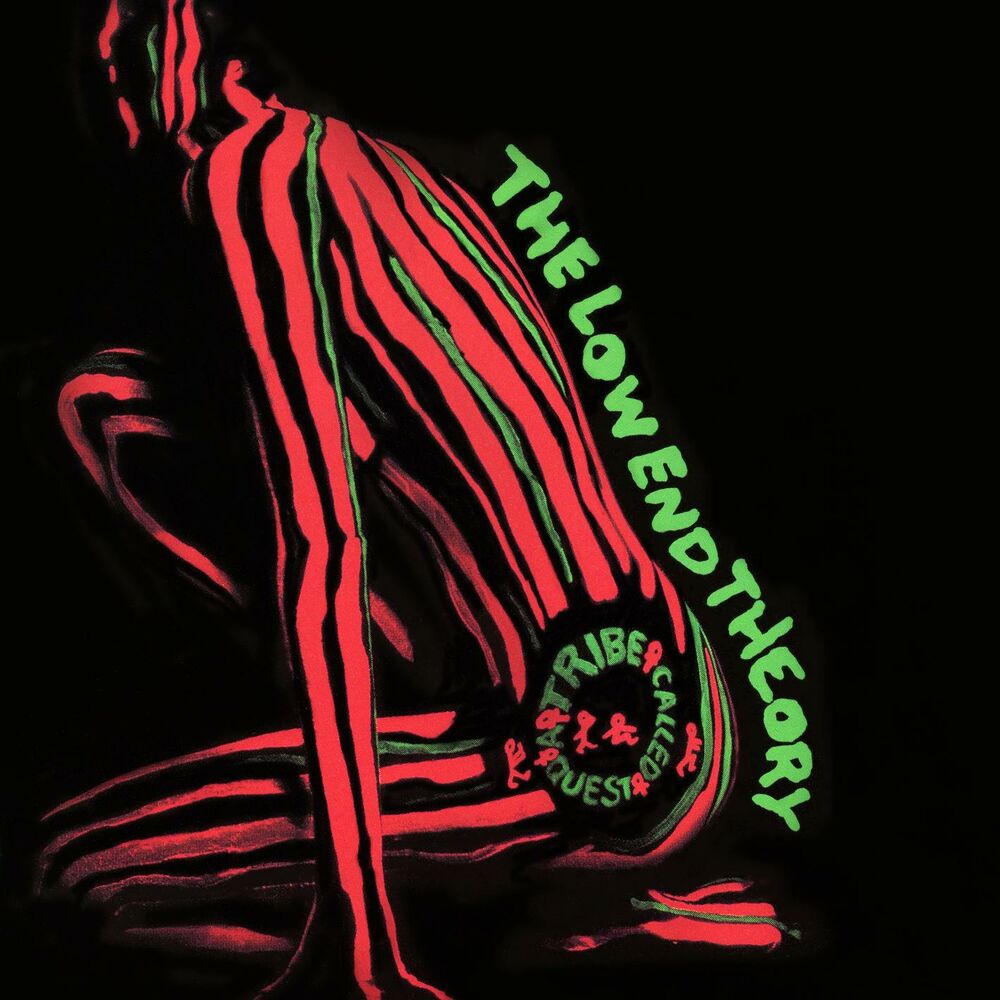
The Low End Theory
A Tribe Called Quest
Year
1991
Genre
Hip-Hop/RapLabel
Jive
Format
Vinyl LP
“Tribe's sophomore album sits here because it's the blueprint for intelligent hip-hop production—Phife Dawg and Q-Tip's chemistry on "Scenario" and "Can I Kick It?" elevated the entire genre. The Low End Theory is immaculate on wax, especially the original Jive pressing where you can really hear the basslines breathe. It deserved a higher spot honestly, but the Top 50 gets crowded with jazz and soul essentials. Still, this one never leaves my turntable rotation.”
A Tribe Called Quest was a hip-hop group formed in Queens, New York, in 1985 by DJ Ali Shaheed Muhammad and MC Q-Tip, with bassist Ron Isley's nephew Ali Shaheed Muhammad joining as producer. The group released their landmark debut album 'People's Instinctive Travels and the Paths of Rhythm' in 1990, establishing themselves as innovators in jazz-influenced hip-hop. They achieved mainstream success with 'The Low End Theory' (1991) and 'Midnight Marauders' (1993), which are considered classics of the Native Tongues movement. Their final studio album before breakup was 'Beats, Rhymes and Life' (1996). After disbanding in the late 1990s, the group reunited for performances and released 'We Got It from Here... Thank You 4 Your Service' in 2016, their first album in 18 years, which was widely acclaimed before Q-Tip's passing in 2024.
Style
A Tribe Called Quest pioneered a sophisticated brand of hip-hop that blended jazz samples, funk grooves, and conscious lyricism, creating a warm, organic sound that contrasted with the harder beats dominating contemporary rap. Their music emphasized musicianship, complex production, and socially aware storytelling.
Significance
The group is essential to vinyl collectors as architects of jazz-rap fusion and representatives of the influential Native Tongues collective. Their first four albums are cornerstones of 1990s hip-hop and remain highly sought-after on vinyl for their innovative production and enduring cultural impact on hip-hop aesthetics.
The Low End Theory, released in 1991, marked A Tribe Called Quest's creative peak and solidified their status as hip-hop innovators. Recorded primarily at Calliope Studios in Brooklyn, the album showcased the production genius of Q-Tip and Ali Shaheed Muhammad working alongside legendary producers like Pete Rock and DJ Premier. The duo crafted a more cohesive sound than their debut, with Q-Tip's jazzy, intricate production serving as the album's backbone. Featured artists including Leaders of the New School (featuring a young Busta Rhymes), Diamond D, and Lord Jamar contributed to the project's depth. The album's title reflected their commitment to bass-driven, sophisticated production—a response to the more commercial direction hip-hop was taking. Recording sessions were collaborative and experimental, with members often workshopping verses and arrangements to achieve the jazz-rap fusion that defined the era.
Historical Context
Released in September 1991, The Low End Theory arrived during hip-hop's golden age, competing with Dr. Dre's The Chronic and Nas's Illmatic in defining the decade's sound. The album received critical acclaim for its musicality and lyrical sophistication, resonating with both underground and mainstream audiences. It became a blueprint for jazz-influenced hip-hop and helped establish the Native Tongues collective's cultural relevance. The album's success elevated A Tribe Called Quest to superstar status and demonstrated that intricate production and thoughtful lyricism could achieve commercial success. It remains one of the most influential hip-hop albums ever made, influencing countless producers and artists.
Pressing Notes
The Low End Theory has seen numerous vinyl pressings since its original 1991 release on Jive Records. The original pressing is highly sought by collectors, particularly early runs with correct matrix information. Mobile Fidelity Sound Lab released a numbered, limited-edition audiophile reissue on 180-gram vinyl that became instantly collectible. More recent reissues include standard 2LP represses. Collectors should verify pressing plant information and matrix codes when purchasing vintage copies, as this affects both value and sound quality. Later pressings generally offer improved sound quality but lack the vintage appeal and premium value of original first editions. Condition and completeness of original sleeves significantly impact collector value.

Also Appears On
Apple Music 100 Best Albums
“The Low End Theory sits perfectly at 29 because it represents hip-hop's sweet spot between commercial accessibility and genuine artistic depth. That bassline on "Can I Kick It?" and the jazzy loops threading through the album proved you didn't need synthesizers and drum machines to dominate—just a sampler, impeccable taste, and Phife's razor-sharp lyricism. This is the album that made jazz samples essential vocabulary in hip-hop production, and every copy still sounds clean from needle drop to finish. Placing it here acknowledges its influence without overstating the case—it's essential, but it's not *the* essential record.”
Rolling Stone's 500 Greatest Albums of All Time
“Ron Carter playing upright bass on a hip-hop record tells you everything about Tribe's ambition. Jazz-inflected boom-bap perfection — the low end is right there in the title, and your subwoofer will thank you. Q-Tip and Phife Dawg trade verses like old friends arguing over records.”
Essential Hip-Hop on Vinyl
“Ron Carter's upright bass meets Q-Tip's flow. Jazz and hip-hop fused not as a gimmick but as a genuine new language. 'Excursions' set the tone for an entire subgenre.”
Own this record? Track it in your collection.