#52 of 100
· Cratewise Editorial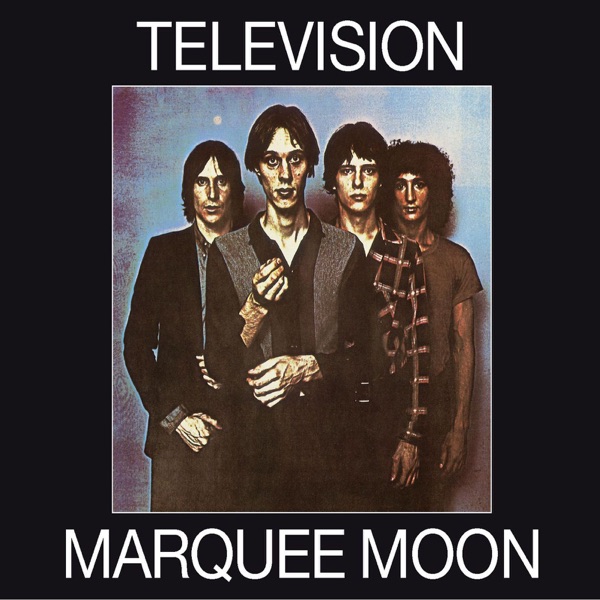
“Marquee Moon lands here because it's the punk record that transcended punk entirely. Tom Verlaine's guitar work on the title track is architectural—those interweaving solos feel almost classical against the raw urgency of Richard Lloyd's answering phrases. This first press from '77 captures something lightning-in-a-bottle about CBGB-era New York that influenced everyone from post-punk to indie rock decades later. It's essential wax that rewards deep listening; the needle drop on side A never gets old.”
Television was an influential American rock band formed in New York City in 1973 by Tom Verlaine and Richard Lloyd. The band pioneered the art rock and proto-punk movement of the mid-1970s, emerging from the same Lower East Side scene that produced the Ramones and Blondie. Their debut album, 'Marquee Moon' (1977), is considered a landmark in rock history, featuring intricate twin-guitar interplay and complex song structures. After disbanding in 1978, Television reunited in 1992 for sporadic tours and recordings. The band remained active through the 2000s, continuing to perform and record new material before Verlaine's death in 2023.
Style
Television blended art rock sophistication with punk's raw energy, characterized by innovative dual-guitar arrangements, virtuosic but unconventional lead work, and poetic, intellectual lyrics. Their sound emphasized instrumental complexity while maintaining rock's visceral impact.
Significance
Television's influence on post-punk, new wave, and alternative rock is immense, with 'Marquee Moon' standing as one of the most highly regarded debut albums in rock history. For vinyl collectors, their original pressings remain prized, particularly the debut and its follow-up 'Adventure' (1978), representing a crucial bridge between punk and progressive rock.
Marquee Moon, released in February 1977, captured Television at the peak of their creative powers during the New York punk scene's golden moment. The album was recorded at A&R Studios in New York with producer Andy Johns, who had previously worked with The Rolling Stones and Led Zeppelin. The band—fronted by guitarist Tom Verlaine and featuring Richard Lloyd on second guitar, Fred Smith on bass, and Billy Ficca on drums—created an album that balanced punk's raw energy with art rock sophistication. The twin-guitar interplay between Verlaine and Lloyd became the album's defining characteristic, featuring intricate, jazz-influenced improvisations rather than simple chord progressions. Verlaine's distinctive vocals and poetic lyrics added intellectual depth, while the rhythm section provided propulsive momentum. The album was recorded quickly and economically, capturing the band's live intensity on tape.
Historical Context
Marquee Moon arrived during punk rock's commercial breakthrough in 1977, yet Television represented a more cerebral, progressive approach than their punk peers like the Ramones or Sex Pistols. While punk typically emphasized simplicity and three-chord structures, Television's musicianship and compositional complexity sparked debate about punk's definition. The album received strong critical acclaim and moderate commercial success, reaching #97 on the Billboard 200—respectable for an art-punk album. It established Television as influential avant-garde figures rather than mainstream chart acts, influencing post-punk and alternative rock that would emerge throughout the 1980s. The album's success validated the experimental ethos of New York's underground music scene.
Pressing Notes
The original 1977 Elektra pressing on black vinyl remains highly collectible. Early pressings can be identified by their gatefold cover featuring the famous David Godlis photograph of the band. Audiophile-grade reissues have been released by Sundazed and Mobile Fidelity Sound Lab, offering improved mastering and pressing quality for modern collectors. The Sundazed version is particularly noted for clarity in the dense guitar arrangements. Original Elektra pressings vary in quality; later 1977 pressings generally sound better than initial runs. The album has been reissued multiple times on CD and vinyl; collectors seeking the most sonically refined version should seek the MFSL or Sundazed editions, while original pressings hold significant value for their historical provenance.
Talking Heads: 77
Talking Heads
Shares the art-punk DNA and innovative guitar work that defined CBGB's scene, with similarly angular post-punk sensibilities.
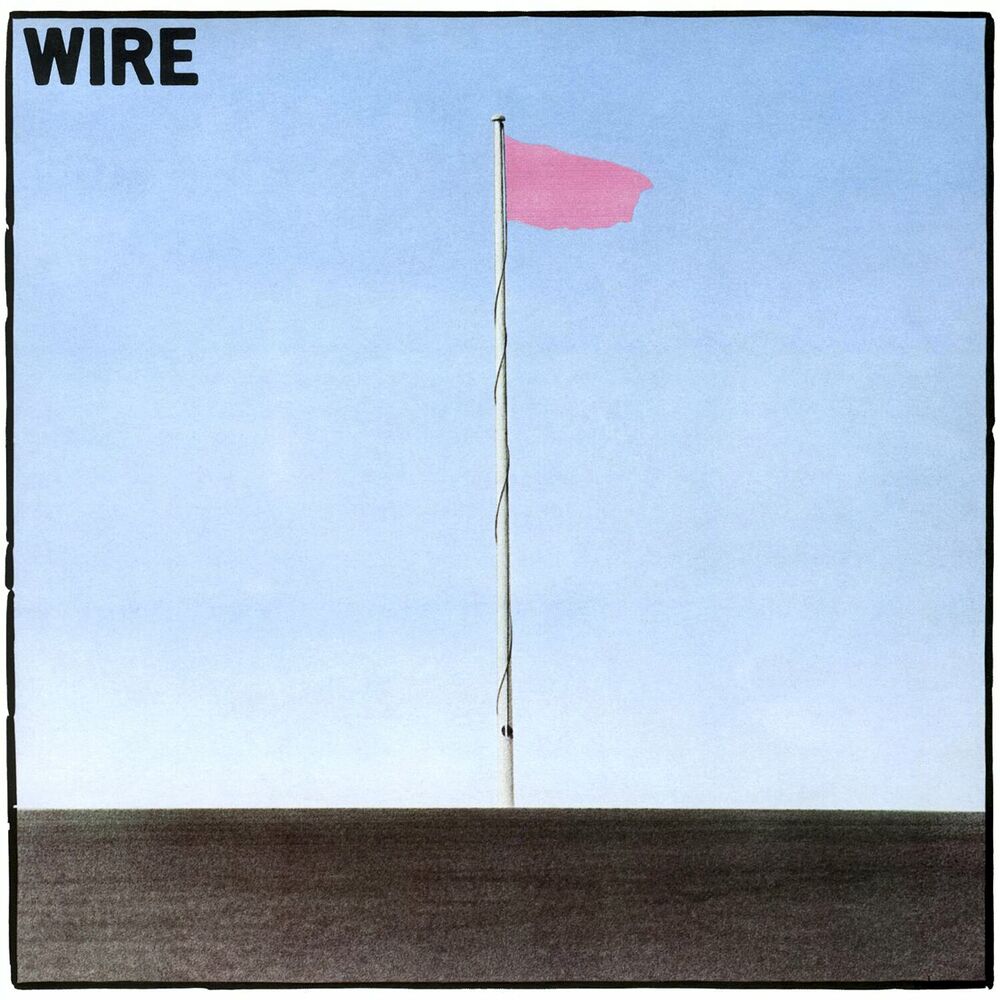
Pink Flag
Wire
Contemporary post-punk release with experimental song structures and unconventional guitar approaches that parallel Television's artistic ambition.

Daydream Nation
Sonic Youth
Builds on Television's foundation of guitar experimentation and noise-as-melody philosophy with dense, layered sonic textures.

Entertainment!
Gang of Four
Combines punk energy with intricate, angular guitar interplay and intellectual production that echoes Marquee Moon's art-punk sophistication.
Also Appears On
Debut Albums
“Tom Verlaine and Richard Lloyd's interlocking guitars on the 10-minute title track invented an entire vocabulary. CBGB's finest hour. Art-punk's debut statement.”
Essential Punk & Post-Punk on Vinyl
“The 10-minute title track proved punk could be virtuosic. Verlaine and Lloyd's interlocking guitars invented a vocabulary every indie band has tried to speak since.”
Rolling Stone's 500 Greatest Albums of All Time
“Tom Verlaine and Richard Lloyd's interlocking guitars created something neither punk nor prog but entirely new. Ten minutes of the title track building and building. CBGB's most cerebral band, and the one that aged best.”
Own this record? Track it in your collection.