#53 of 100
· Cratewise Editorial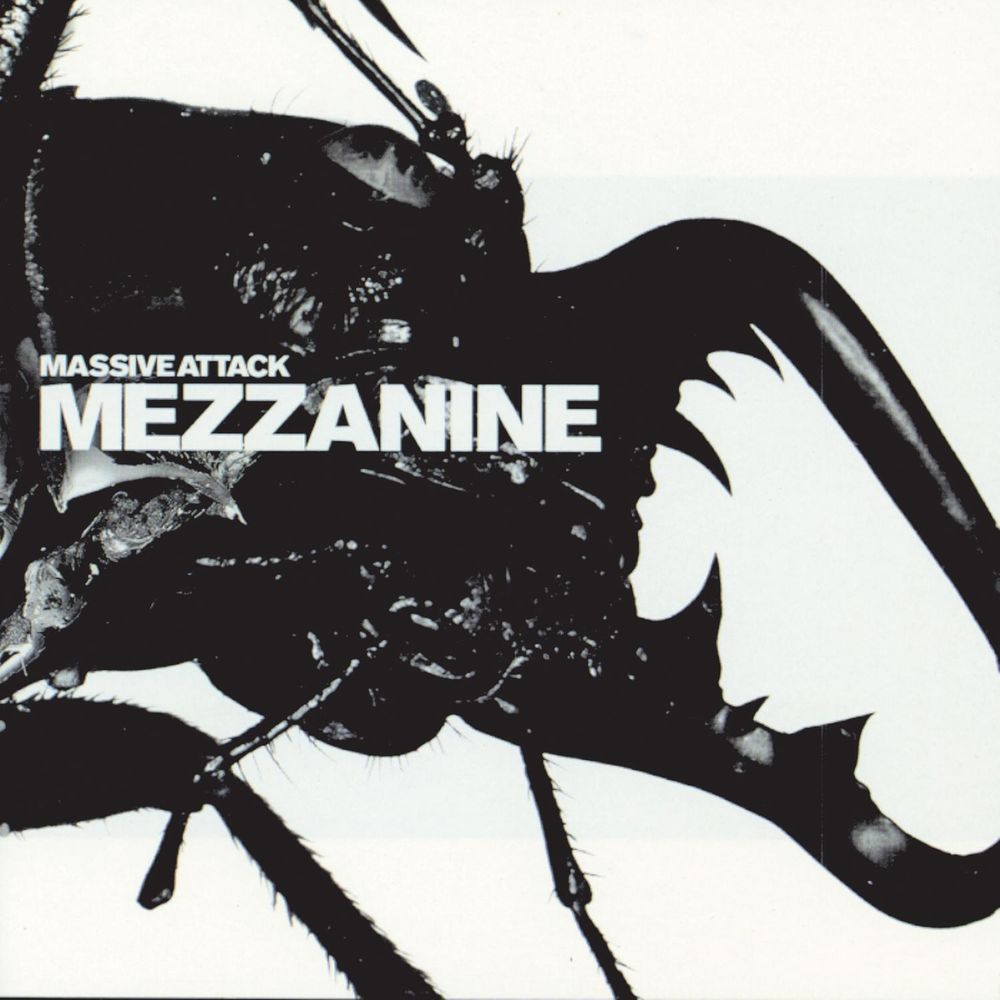
“Mezzanine lands here because it's the rare electronic album that actually improves with each needle drop—the production is so layered you'll hear something new on your tenth spin. This record defined trip-hop's darker, more cinematic turn, and those early pressings have this aggressive, almost lo-fi warmth that digital just can't touch. "Angel" and "Risingson" are the obvious pillars, but deep cuts like "Man Next Door" showcase why this wax sits comfortably in my top 60—it's essential listening that never gets stale.”
Massive Attack emerged from Bristol in the late 1980s as pioneers of trip-hop, a genre that blended hip-hop beats with electronic production and dark atmospherics. The collective—primarily featuring Robert Del Naja and Grant Marshall—released their landmark debut album 'Blue Lines' in 1991, which established their cinematic sound and featured the hit 'Safe from Harm.' Their follow-up 'Protection' (1994) and the critically acclaimed 'Mezzanine' (1998) cemented their status as innovative electronic artists. Throughout the 1990s and 2000s, they collaborated with notable vocalists including Horace Andy, Elizabeth Fraser, and Shara Nelson. The group has remained influential while maintaining selective recording output, releasing 'Heligoland' (2010) and 'Marauders' (2023), demonstrating their commitment to evolving their sound.
Style
Massive Attack defined trip-hop with atmospheric, downtempo electronic production layered with soulful vocals, reggae influences, and cinematic orchestration. Their sonic palette combines programmed beats, live instrumentation, and samples to create moody, introspective soundscapes.
Significance
As architects of the trip-hop movement, Massive Attack's albums remain essential vinyl acquisitions for electronic music collectors, with 'Mezzanine' particularly prized for its sonically rich production and cultural impact on 1990s alternative music.
Mezzanine, released in 1998, marked Massive Attack's third studio album and represented a darker, more introspective direction for the Bristol trip-hop pioneers. Recorded across multiple studios including The Exchange in London and Battery Studios in New York, the album was helmed by producer Neil Davidge alongside the group's core members Robert Del Naja and Grant Marshall. The sessions were notably turbulent, with tension between band members and the pressure of following their landmark Mezzanine predecessor creating a claustrophobic atmosphere that deliberately seeped into the music itself. The album featured collaborations with vocalist Elizabeth Fraser of Cocteau Twins on the haunting track 'Man Next Door,' and incorporated contributions from various musicians including former Portishead keyboardist Adrian Utley and vocalist Horace Andy, whose ethereal voice graced several tracks.
Historical Context
Released in April 1998, Mezzanine arrived as trip-hop was evolving beyond its mid-90s mainstream moment, with the genre fragmenting into darker, more experimental territories. The album emerged during a period of general anxiety reflected in British and international culture—a prescient atmosphere captured in its production. Critically acclaimed upon release, Mezzanine debuted at number one on the UK Albums Chart and demonstrated that Massive Attack remained vital despite skeptics questioning the durability of trip-hop. The album's success proved the genre could deepen and mature, earning widespread praise for its ambitious production and moody cinematic qualities. Tracks like 'Inertia Creeps' and 'Angel' became defining songs of late-90s alternative music.
Pressing Notes
The original Virgin Records UK pressing is highly sought by collectors, with early 1998 pressings considered superior by audiophiles. The album was released on both CD and vinyl simultaneously, with the LP version receiving careful mastering. Collectors should note that various reissues exist, including a 2016 remaster that expanded dynamic range. Japanese pressings from the original 1998 run often feature superior pressing quality typical of that era's Japanese vinyl manufacturing. Rare test pressings and promotional copies occasionally surface. The gatefold artwork, photographed by Anton Corbijn, has made the original pressing visually significant, making near-mint copies particularly valuable to collectors seeking both sonic and aesthetic completeness.

Also Appears On
Essential Electronic on Vinyl
“Dark, paranoid, physical. 'Teardrop' and 'Angel' are trip-hop perfected. The bass on vinyl is a physical event. Bristol's finest hour.”
Rolling Stone's 500 Greatest Albums of All Time
“Past 300, every pick is an argument worth having. Mezzanine is Massive Attack's statement piece (1998) — locked in from the first groove. The Wild Bunch pressing does justice to a record that defined its corner of electronic.”
Own this record? Track it in your collection.