#27 of 100
· Cratewise Editorial
“Back to Black landed here because it's the rare modern soul record that doesn't just reference the past—it legitimately belongs in the conversation with its influences. Amy's voice has that bruised, lived-in quality that makes every syllable feel earned, especially across those Mark Ronson-produced deep cuts like "You Know I'm No Good." The thing that keeps this from climbing higher on my list isn't the album's quality, but rather how it sometimes overshadows Amy's later, equally devastating work. Still, that first needle drop of the title track remains essential wax for anyone serious about contemporary soul.”
Amy Winehouse (1983-2011) was a British soul singer-songwriter who achieved international stardom with her distinctive contralto voice and retro aesthetic. Born in London, she began her career in the early 2000s, releasing her debut album "Frank" in 2003, which showcased her jazz and soul influences. Her breakthrough came with the 2003 album "Back to Black," produced primarily by Mark Ronson, which became one of the best-selling albums in UK history and won five Grammy Awards including Record of the Year. The album's sophisticated production, featuring live instrumentation and arrangements inspired by 1960s soul and Motown records, made it a landmark work. Despite her immense talent and critical acclaim, Winehouse struggled with personal difficulties and passed away in 2011 at age 27.
Style
Winehouse blended classic soul, jazz, and R&B with a contemporary sensibility, drawing heavily from 1960s Motown and girl-group traditions. Her rich, smoky contralto voice and the warm, analog production aesthetic of her recordings made her music particularly prized by vinyl enthusiasts.
Significance
"Back to Black" became a modern classic that drove renewed interest in soul and vintage vinyl production techniques among collectors. Her work represents a significant moment in 21st-century music where analog warmth and retro production values were deliberately revived, influencing how artists and producers approached record-making for the vinyl-collecting audience.
Back to Black was recorded primarily at the Daptone Records studio in New York with producer Rick Rubin, alongside collaborations with Mark Ronson and other producers. Amy Winehouse drew inspiration from 1960s soul, girl groups, and jazz standards, channeling her heartbreak over a failed relationship into deeply personal material. The album was crafted over several sessions between 2003 and 2004, with Winehouse performing live instruments and vocals that captured an authentic, vintage sound. Her distinctive contralto voice and honest songwriting became the album's emotional core, while the production maintained a warm, analog quality that harked back to the Motown era she revered.
Historical Context
Released in March 2004, Back to Black arrived during a period of manufactured pop dominance, making Winehouse's soulful, retro approach refreshingly distinctive. The album resonated globally, eventually becoming one of the best-selling albums in UK history. It established Winehouse as a serious artist rather than a novelty act, earning critical acclaim for her authenticity and vocal prowess. The mid-2000s saw growing interest in revivalist soul and jazz-influenced music, and Winehouse became a torchbearer for this aesthetic alongside contemporaries exploring vintage sounds.
Pressing Notes
The original 2004 Island Records vinyl pressing is highly sought after by collectors. Early pressings are known for excellent mastering and warm sound quality characteristic of the era's vinyl reissues. The album has been reissued multiple times, including deluxe editions and reissues following Winehouse's 2011 death. Collectors should seek original UK and US pressings for the best sound quality. Be aware of bootleg pressings in circulation. The album's popularity has led to numerous variant pressings, so verifying pressing plant information and catalog numbers is recommended for collectors seeking authentic original editions.
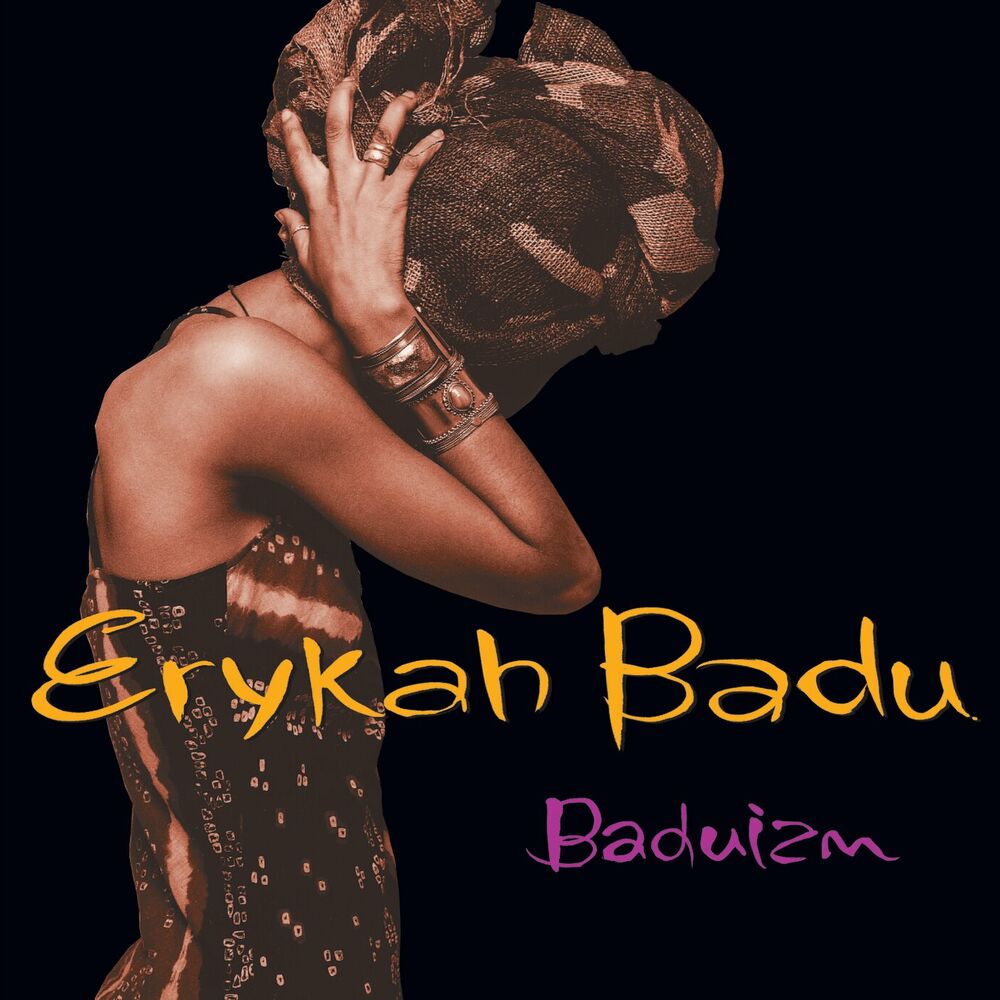
Baduizm
Erykah Badu
Shares the same neo-soul aesthetic with vintage instrumentation and deeply personal vocal delivery that defines Back to Black.

21
Adele
Modern soul-influenced R&B album with lush orchestral arrangements and emotional vocal performance comparable to Winehouse's style.

Lady in Satin
Billie Holiday
A classic jazz and soul album that influenced Winehouse's work, featuring intimate vocals with elegant instrumental backing.
Also Appears On
Apple Music 100 Best Albums
“Back to Black at number eight feels right for a list like this—it's the rare modern soul album that sounds genuinely timeless rather than retro. Amy's voice has that smoky, weathered quality that made even her debut tracks feel like deep cuts from a lost sixties session, and Mark Ronson's production strips everything back to those essential building blocks: strings, horns, and room-temperature jazz. The title track alone justifies the placement; it's a needle drop that stops conversations. Losing her made this album even more poignant, but the wax speaks for itself—this is essential listening, not nostalgia.”
Essential Soul & Funk on Vinyl
“Mark Ronson channeled Motown and the Shangri-Las into a devastatingly personal breakup album. 'Love Is a Losing Game' is the song that tells you she was special. The vinyl mastering is immaculate.”
Rolling Stone's 500 Greatest Albums of All Time
“Amy channeled '60s girl groups and Motown through Mark Ronson's production and her own devastating honesty. That voice belonged in a different era — she'd have been right at home at Stax or Atlantic in 1965. 'Love Is a Losing Game' is the quietest heartbreak on vinyl.”
Own this record? Track it in your collection.