#26 of 100
· Cratewise Editorial
“Al Green's *Let's Stay Together* sits here because it's the perfect marriage of soulful restraint and absolute groove mastery. Every track from the title cut to "I'm Still in Love with You" showcases Willie Mitchell's production brilliance—those horn arrangements don't overshadow Green's voice, they elevate it. The original Hi pressing captures that warm, analog soul sound that defined early-70s Memphis, and this album proves you don't need complexity to create timeless wax. It's essential not because it's flashy, but because it's flawless.”
Al Green is one of the most influential soul singers of the 1970s, known for his smooth vocal delivery and emotional depth. Rising to prominence in the early 1970s under producer Willie Mitchell at Hi Records, Green became a defining voice of the soul era with a series of landmark albums including 'Let's Stay Together' (1971), 'I'm Still In Love With You' (1972), and 'Call Me' (1973). His interpretations of both original compositions and covers showcased remarkable range, from upbeat funk-soul to devastating ballads. Though a car accident in 1973 and his subsequent turn toward gospel music reduced his secular output, Green's legacy as a soul innovator remained intact, influencing generations of artists across multiple genres.
Style
Al Green's signature style blends Southern soul with elements of funk and gospel, characterized by his distinctive falsetto, impeccable phrasing, and the lush string arrangements typical of Hi Records' production approach. His sound is marked by emotional restraint and sophistication rather than showmanship.
Significance
Al Green's early 1970s output represents the apex of soul music and remains essential listening for vinyl collectors interested in classic soul and R&B. His albums are highly sought after, particularly original pressings from Hi Records, and his influence on contemporary soul and neo-soul artists cannot be overstated.
Let's Stay Together, Al Green's third studio album, was recorded at Royal Studio in Memphis during 1971 and became the defining work that cemented his status as a soul superstar. Working with producer Willie Mitchell, Green perfected the lush orchestral soul sound that would characterize his early '70s output. The title track, written by Al Green, Willie Mitchell, and Al Jackson Jr., became an iconic slow-burn ballad that showcased Green's falsetto over sweeping strings and a hypnotic rhythm section. The album featured contributions from Mitchell's session musicians, including the legendary Hi Records studio band, whose tight arrangements provided the perfect backdrop for Green's emotional vocal delivery. Recorded in just a few sessions, the album captured Green at a creative peak, with each song carefully crafted to highlight different facets of his artistry.
Historical Context
Released in November 1971, Let's Stay Together arrived during the height of the early '70s soul renaissance, competing with work from Marvin Gaye, Curtis Mayfield, and Stevie Wonder. The album's success was immediate and profound—it topped the R&B charts and crossed over to mainstream pop audiences, with the title single becoming one of the best-selling soul records of all time. The album established Memphis soul as a major force nationally and proved that Green was more than a novelty act. It resonated with audiences seeking deeper emotional connection in popular music, and its influence on soul, R&B, and subsequent genres proved immeasurable. The album's success launched Green into superstardom and set the template for his subsequent releases.
Pressing Notes
The original 1971 pressing on Hi Records (SR-32076) featured the classic orange Hi Records label and thick vinyl characteristic of that era. Collectors should note that early pressings have warm, full sound due to the mastering and pressing quality of the period. Subsequent reissues have been released on various labels including Mobile Fidelity Sound Lab and Analogue Productions, which offer audiophile-grade pressings valued by serious collectors. Original first pressings in near-mint condition command premium prices. The album has been reissued multiple times on CD and digital formats, but vinyl remains the preferred format for collectors seeking the warm, analog character that defined this recording.
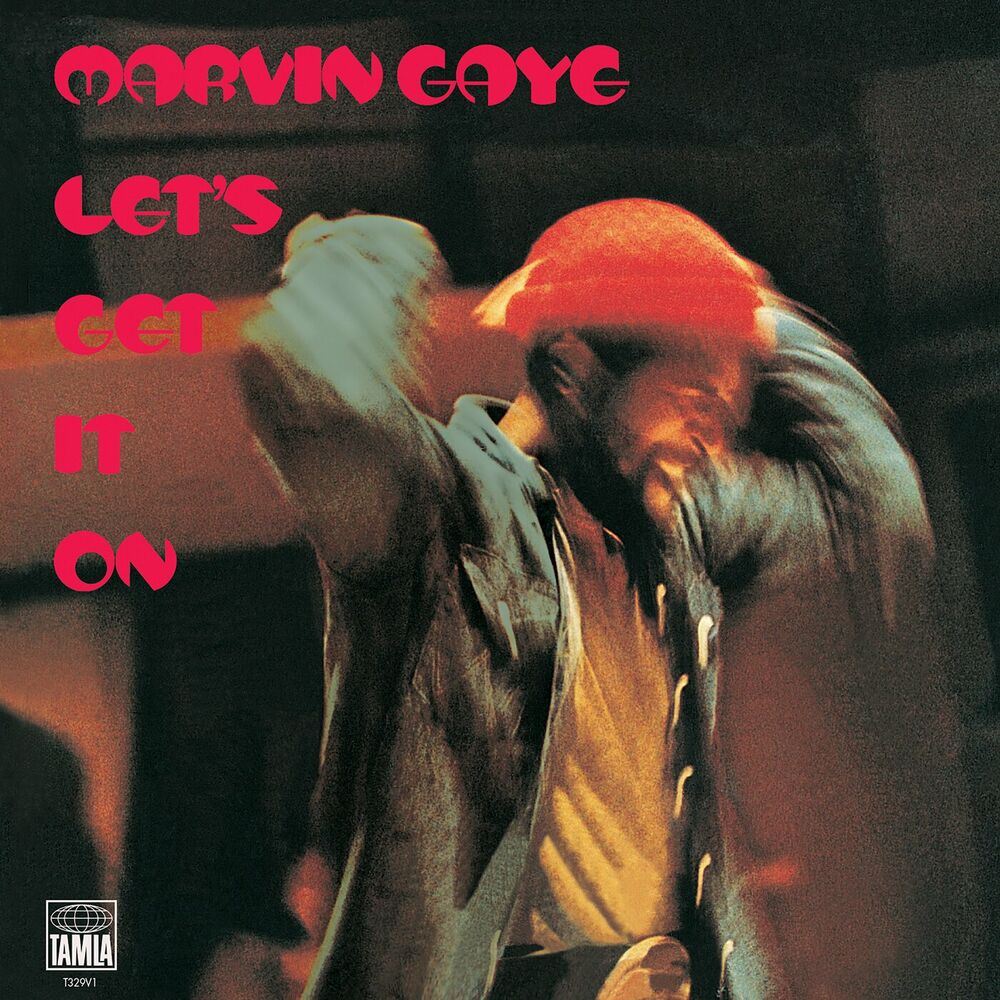
Let's Get It On
Marvin Gaye
A soulful masterpiece with lush orchestration and intimate vocals that shares the romantic groove and production sophistication of Al Green's work.

Superfly
Curtis Mayfield
A soul classic with memorable melodies, social awareness, and funky grooves that complement Al Green's blend of soulfulness and contemporary R&B.
Also Appears On
Essential Soul & Funk on Vinyl
“Willie Mitchell's Hi Records production is the warmest sound on tape. Al's voice is silk over honey. The title track is the most romantic song in American music. Vinyl is the only proper format.”
Sounds Better on Wax
“Willie Mitchell mixed everything at Hi Records for vinyl. The Memphis sound — warm, humid, analog — is inseparable from the format. 'Let's Stay Together' on streaming is a great song. On vinyl, it's a warm bath.”
Own this record? Track it in your collection.