#11 of 25
· Cratewise Editorial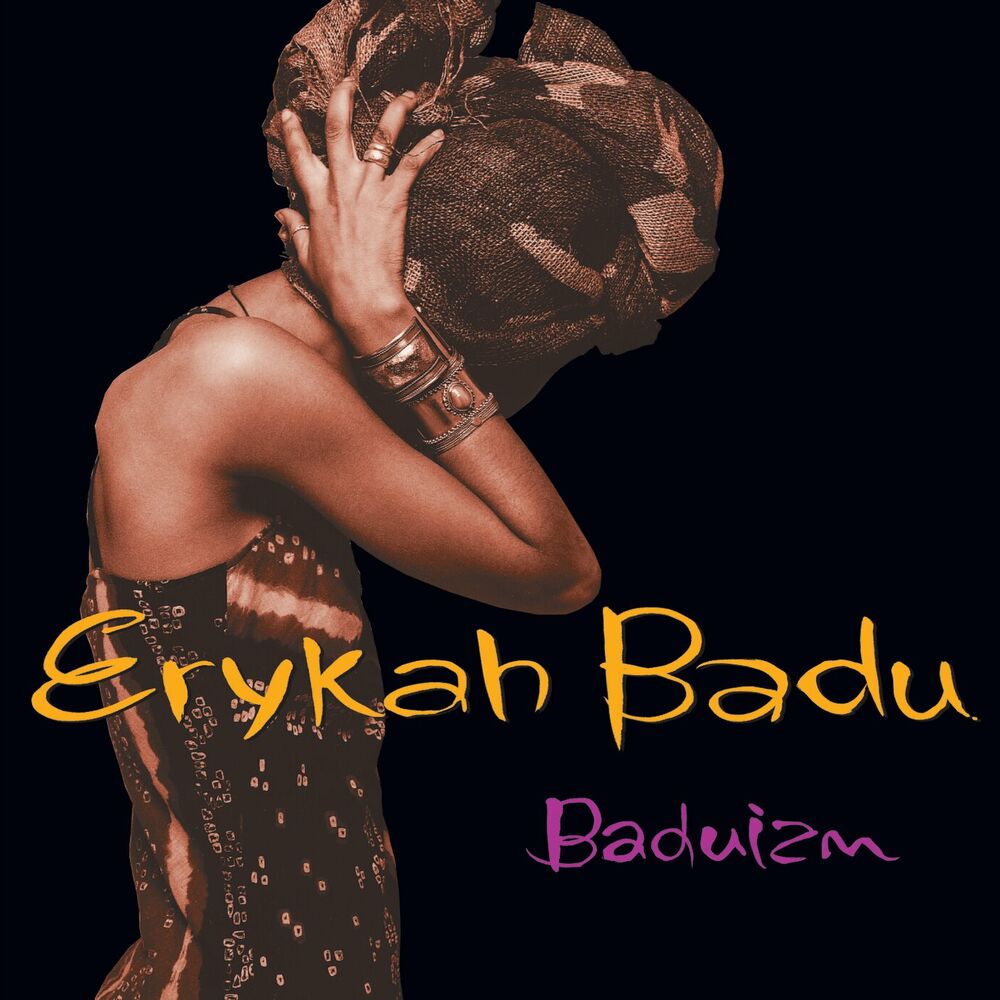
“'On & On' opens with a warmth that fills the room. Badu's voice is smoky and unhurried. Neo-soul designed for slow mornings.”
Erykah Badu emerged from Dallas, Texas in the mid-1990s as a pioneering figure in the neo-soul movement. Her debut album 'Baduizm' (1997) became a critical and commercial success, establishing her as a visionary artist who blended soul, jazz, and hip-hop influences with conscious lyricism. Throughout her career, spanning albums like 'Mama's Gun' (2000) and 'New Amerykah Part One (4th World War)' (2008), Badu has continuously evolved her sound while maintaining artistic integrity and intellectual depth. Her influence extends beyond music into fashion and visual presentation, making her a cultural icon. Despite a measured recording pace, each album release has been significant, showcasing her commitment to artistry over commercial trends.
Style
Erykah Badu's sound combines neo-soul, jazz, funk, and hip-hop with ethereal vocals and introspective, often politically conscious lyrics. Her music is characterized by organic instrumentation, sophisticated production choices, and an experimental approach that resists genre boundaries.
Significance
Badu is a foundational artist in the neo-soul canon and remains essential for collectors interested in late-1990s and contemporary soul music. Her vinyl releases, particularly 'Baduizm' and 'Mama's Gun,' are highly sought after by collectors valuing artistic substance and sonic quality on the format.
Baduizm, Erykah Badu's debut album, was recorded primarily at Battery Studios in New York and various other locations between 1996 and 1997. Produced largely by DJ Premier, Q-Tip of A Tribe Called Quest, and Badu's then-husband André 3000 of OutKast, the album showcased a revolutionary blend of neo-soul, jazz, and hip-hop. Badu's ethereal vocal delivery and introspective lyricism, combined with the producers' innovative production, created a cohesive sound that felt both organic and futuristic. The recording process emphasized live instrumentation alongside sampled and programmed elements, with musicians like Turtle Island String Quartet contributing to the lush sonic landscape. Key collaborators included James Poyser on keyboards and Roy Hargrove on trumpet, whose contributions added warmth and sophistication to tracks like "Otherside of the Game."
Historical Context
Released in February 1997, Baduizm arrived during a pivotal moment in hip-hop and R&B history. The mid-1990s neo-soul movement, bolstered by artists like D'Angelo and Tony! Toni! Toné!, found its defining voice in Badu. Her debut was both a critical and commercial success, eventually selling over three million copies worldwide and establishing her as a generational talent. The album's sophisticated production and conscious lyricism resonated particularly with college audiences and critics, earning Grammy nominations and helping define late-90s alternative soul. It influenced countless subsequent R&B and hip-hop artists and remains a touchstone for the era.
Pressing Notes
The original Kedar Entertainment/Universal pressing from 1997 is the most common vinyl edition. Early pressings are generally high-quality, though some copies show surface wear given the album's popularity. A reissue was released by Vinyl Me, Please in 2015 with audiophile mastering, pressed on 180-gram vinyl and packaged in a gatefold with updated artwork. Collectors should seek out original 1997 pressings for historical significance, though the VMP reissue offers superior sound quality. Japanese pressings and various international editions exist but command premium prices. The album has remained in print across multiple formats since release, making it relatively accessible to collectors.

Voodoo
D'Angelo
Shares the same neo-soul aesthetic with intricate production, live instrumentation, and a laid-back groove that defined the late '90s soul sound.
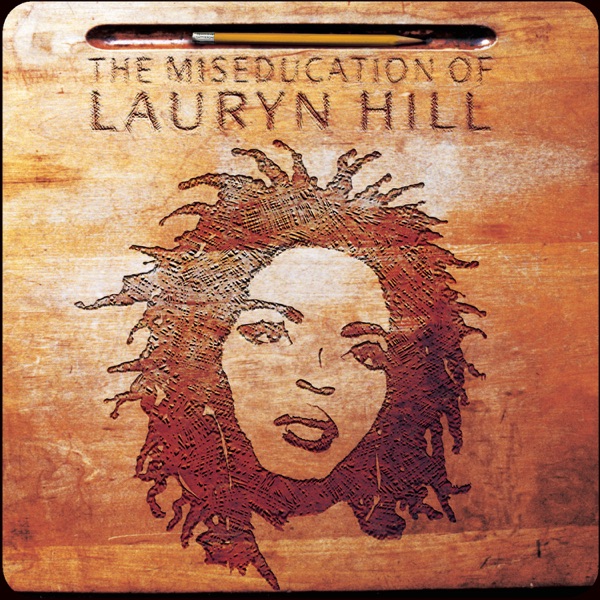
The Miseducation of Lauryn Hill
Lauryn Hill
Features similarly innovative R&B production blended with soul sensibilities and introspective, poetic lyricism from the same era.
Also Appears On
Apple Music 100 Best Albums
“Baduizm at 64 feels slightly conservative for a record that essentially rewired neo-soul's DNA. Erykah's debut remains the gold standard for '90s soul experimentation—those live instrumentation sessions with The Roots' ?uestlove, the uncompromising lyricism, the way "On & On" became an instant classic. The original pressing has this warmth that later reissues chase but rarely nail. She belongs higher on any serious best-of list, honestly, but at least it's here.”
Rolling Stone's 500 Greatest Albums of All Time
“Neo-soul's founding document. Erykah pulled from Billie Holiday, Five Percenters, and hip-hop production and created something entirely her own. 'On & On' floats on a groove so effortless it feels like it's always existed.”
Debut Albums
“Neo-soul's opening salvo. 'On & On' announced a new voice in R&B — one steeped in jazz, hip-hop, and five-percenter philosophy. She hasn't stopped evolving since.”
Own this record? Track it in your collection.